
December Play + Learn News
Play and Learn meets on Tuesdays from 10-11:30 at the East Whatcom Regional Resource Center in Maple Falls. All children 0-5 and their caregivers welcome. Free, and no registration required: just drop in and play!
Coming Up:
December 16: Salt Dough Ornaments
Kids can roll out and shape simple ornaments to take home and bake! Keep them for yourselves, or give them to others ❤️
December 23: No Play and Learn! We’re back on 12/30.⭐
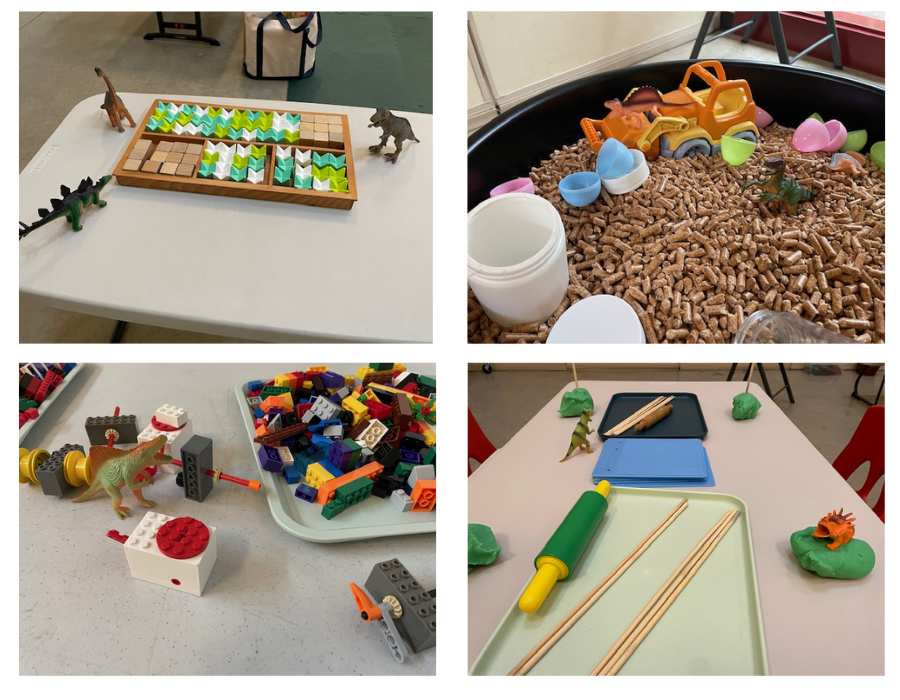
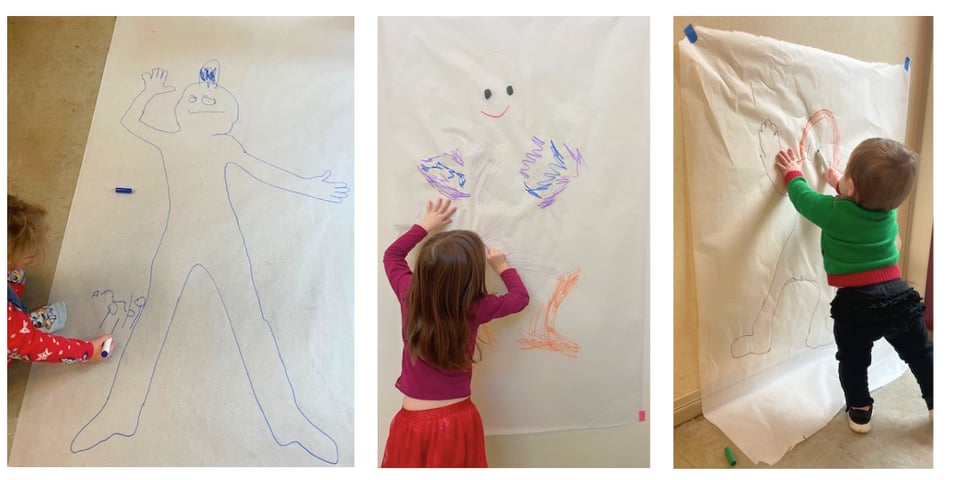
What Have We Been Up To?
Caregiving Corner
Being a caregiver is hard work! Whether you are caring for your own children, grandchildren, other family members, or other people’s children, it can be hard to stay positive and present. But our presence and responsiveness is exactly what children need! So, how do we make sure we can show up for them when we are feeling dysregulated ourselves?
Take three long, slow, deep breaths. If safety is not an immediate issue, take your time and breathe to reconnect your body and your mind. This regulates your nervous system, which is what makes us feel dysregulated.
Focus on Connection. Its common to find yourself in a power struggle with a child and to wonder, how did we get here? Behavior is communication, so if you can be curious about why your child is behaving a certain way, you’re more likely to get to the roots. If everyone is getting upset and dysregulated, take that deep breath and focus on connecting to your child instead of solving the problem that started it all. When you’re both regulated, you can talk together (or you can narrate for very littles) what happened and what you’re going to try next time. This is a great read if you want to learn more about connection.
Tap in another caregiver. If you are not alone, have another trusted caregiver take over for a few minutes. You should talk about this with other trusted caregivers ahead of time, before these moments of dysregulation, so you all understand what to do. You might say, “When Sam has been crying for a long time, sometimes I need a short break so I can really make sure I’m my best for him. Can you support me and step in when I ask you for that?”
Make time to reflect. After you move through something challenging, think about how it went. Next time you’re in that situation (because you will be again!), what would you do the same? What is something different you might try? When you make a plan in advance, you’re more likely to break patterns of things that aren’t working. Its hard - maybe impossible - to think of new strategies when you’re feeling dysregulated in the moment.
Need more parenting support? Ask your questions at Play and Learn, or reach out to allie_bishop@oppco.org. We can connect you with community resources, information about child care, assistance with basic needs, and much more.