
Treatment and Physical Impact of Pancreatic Cancer
Context for Greg's later scenes
Continuing our dive into pancreatic cancer, this time focusing on treatment and the impact on the body.
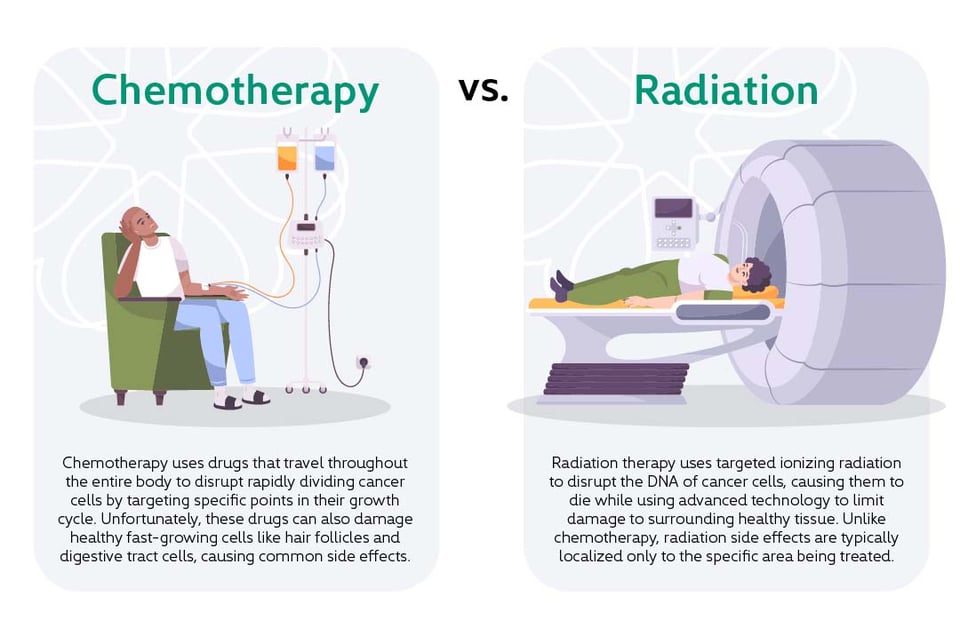
Greg’s cancer treatment would be overseen by a team of doctors, likely including a medical oncologist, a radiation oncologist and a gastroenterologist. Once diagnosed, chemotherapy or a combination of chemotherapy and radiation therapy is typically the main treatment for for patients with advanced pancreatic cancer like Greg’s. It can sometimes shrink or slow the growth of the cancer and might help the person live longer, but it is not expected to cure the cancer.
Chemo drugs for pancreatic cancer can be given as a pill or by IV infusion in a doctor’s office, chemotherapy clinic, or in a hospital. Doctors give chemo in cycles, with each period of treatment followed by a rest period to recover from the effects of the drugs. Cycles are most often 2 or 3 weeks long. Undergoing radiation therapy is similar to getting an x-ray, but with much stronger radiation. The procedure itself is painless and only takes a few minutes. Most often, radiation treatments are given 5 days a week for several weeks. Both chemotherapy and radiation therapy have similar side effects.
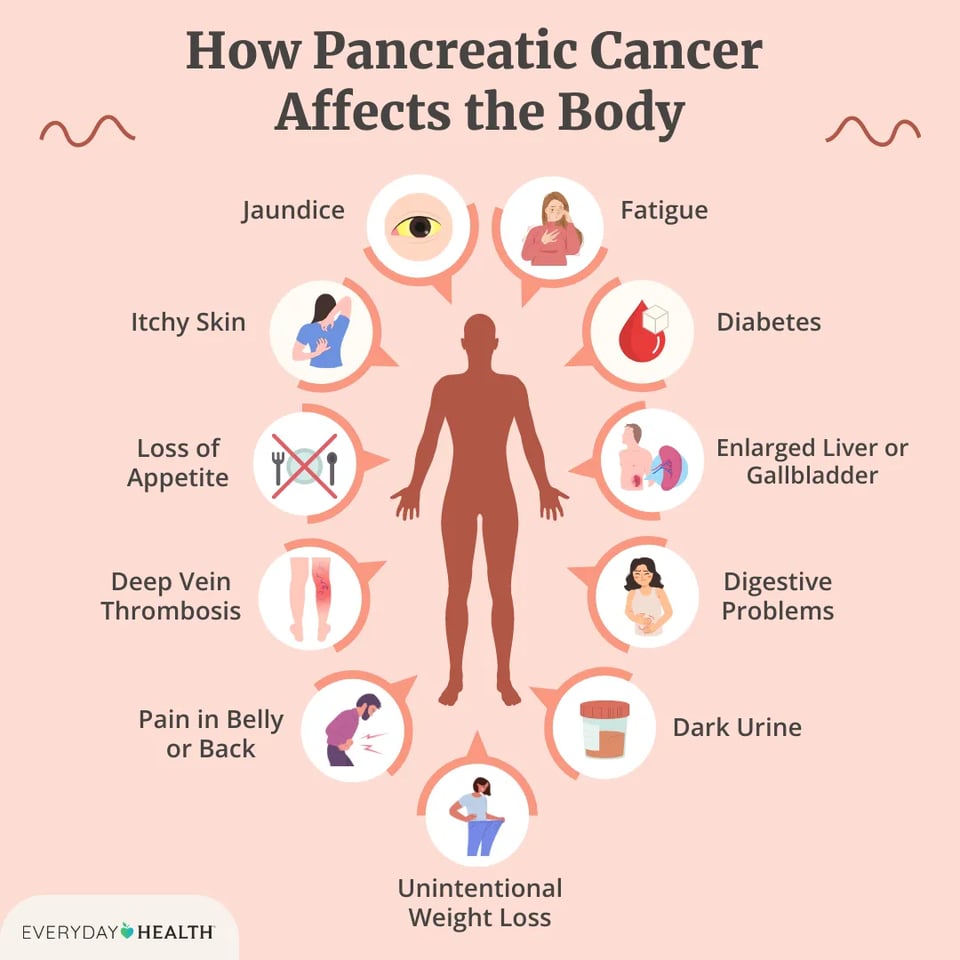
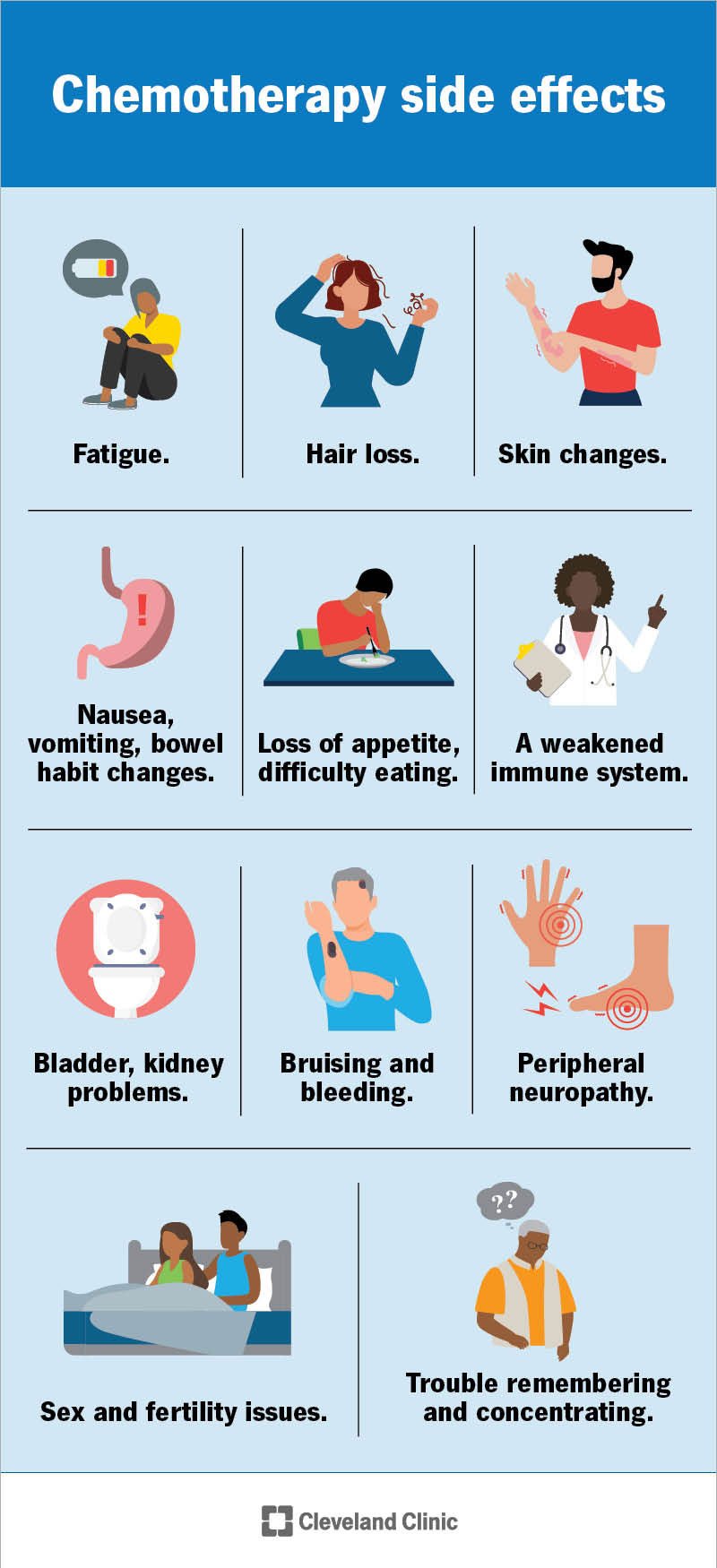
In addition to pancreatic cancer symptoms like fatigue, weight loss, and digestive issues, Greg could also be experiencing common side effects from his treatment. We know he experiences nausea and vomiting from the text. Some chemo drugs can also affect hearing, leading to ringing in the ears, or one’s ability to concentrate—the Army Guy scene and Greg’s forgetfulness about M’s show could be connected to those impacts. All of Greg’s digging and yard work would also certainly be made more difficult if he’s experiencing neuropathy (tingling, numbness, and/or pain of fingertips and toes) or hand-foot syndrome (redness and blistering on palms of hand and soles of feet) as a result of treatment.
Though pancreatic cancer symptoms often don’t become pronounced until the disease is quite advanced, most people experience severe abdominal or back pain as the tumors grow and the pain usually gets worse over the course of the disease. As pancreatic cancer spreads and presses on nerves in the abdomen or back, pain management becomes an important aspect of treatment and morphine or similar opioids are often used.
Pancreatic cancer can rarely be entirely cured, even if it can be treated or slowed down to extend life. Palliative care focused on providing relief from the symptoms, managing pain and stress of illness, and helping patients weigh the side effects of treatment against the symptoms of the disease itself is a big focus for patients dealing with especially aggressive cancers like Greg.
Add a comment: