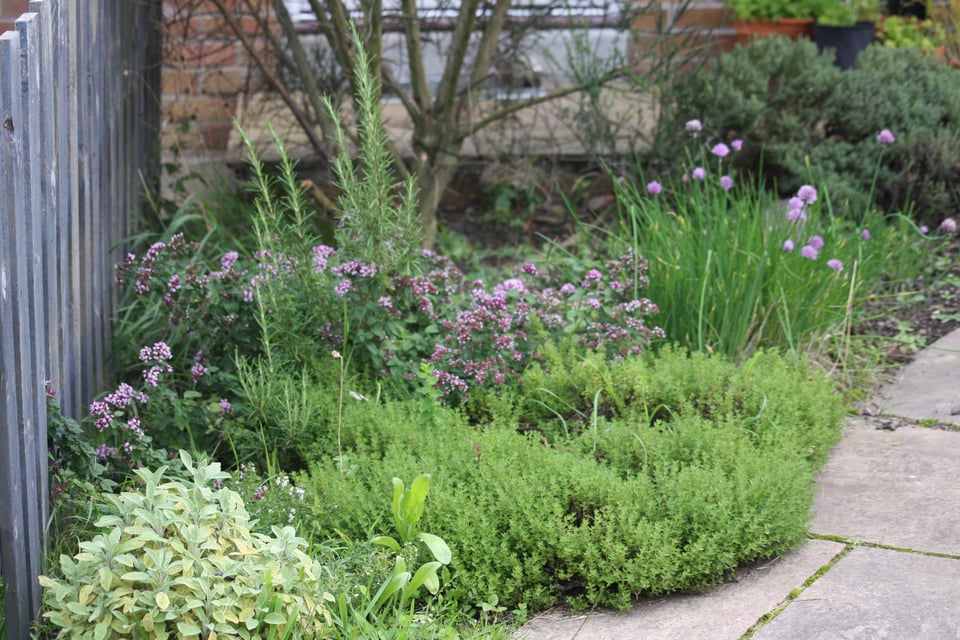
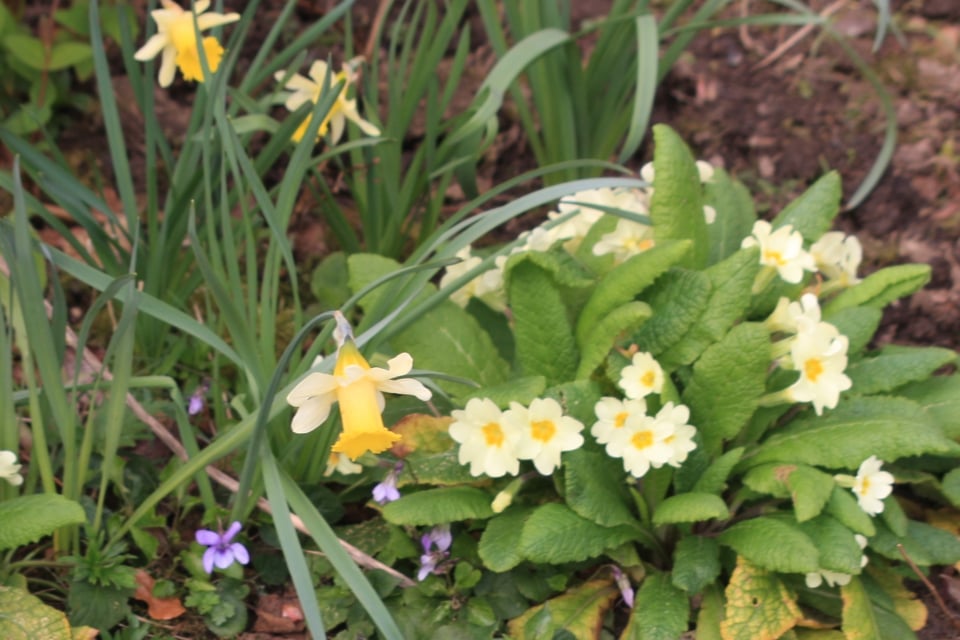
It’s here! It’s here! The birds know it, the trees know it, the weeds in the garden certainly know it, and people are talking to each other about it at the bus stops. It’s really spring now. Washing is out on the line, I don’t draw the curtains until after tea, the greenhouse vents are sometimes open during the day, there is soil under my fingernails, and the windowsills are full of plants that can’t wait to get out into the open air. I think my garden is maturing – the primroses and wild daffodils have found their feet and they are beginning to naturalise as the books say they should. Also, the violets. I usually post pictures of the dark viola odorata, with its rich scent and exotic colour, but this year I am very taken with the more delicate wood violet, which seems to belong with the wild spring freshness. The whole earth seems to be refreshed and renewed, at least until you look at the news.
All over the Middle East, signs of spring are being crushed as militaristic powers have added ecocide to their tactics, destroying energy and water resources, polluting the air, spraying herbicide on crops. Cultural markers like libraries, schools, journalism, and religious observances are targeted. I went to see the exhibition Thread Memory in the V&A in Dundee, and I was stunned to see a note of a Palestinian refugee who described how important her embroidery was to her, not just economically, but personally, only to be told it wasn’t allowed, because ‘the settlers said that embroidery belongs to Israel’.
What I can do about this I don’t know. The hardest lesson I’ve had to face over the last year is that I can’t commit to as much as I would like – I have responsibilities and limitations I didn’t understand, having run for seventy years on a mashup of anxiety and enthusiasm (thank you ADHD!), but there is a small aspiration I have.
I am going to grow some iconic herbs that are critically endangered by extractive capitalism and colonialism – plants like za’atar, white sage, and rhodiola, which are threatened in the wild by over-harvesting, or our own pasque flower, cowslip and marshmallow which are red-listed now because of loss of habitat and climate change. And I will amplify (in whatever small way I can) the voices of people in the relevant areas who are working to preserve not only the plants, and habitats, but the cultures and communities represented by them. I want to create a place of safety for these things, from which, in times of peace, they may be able to return home.
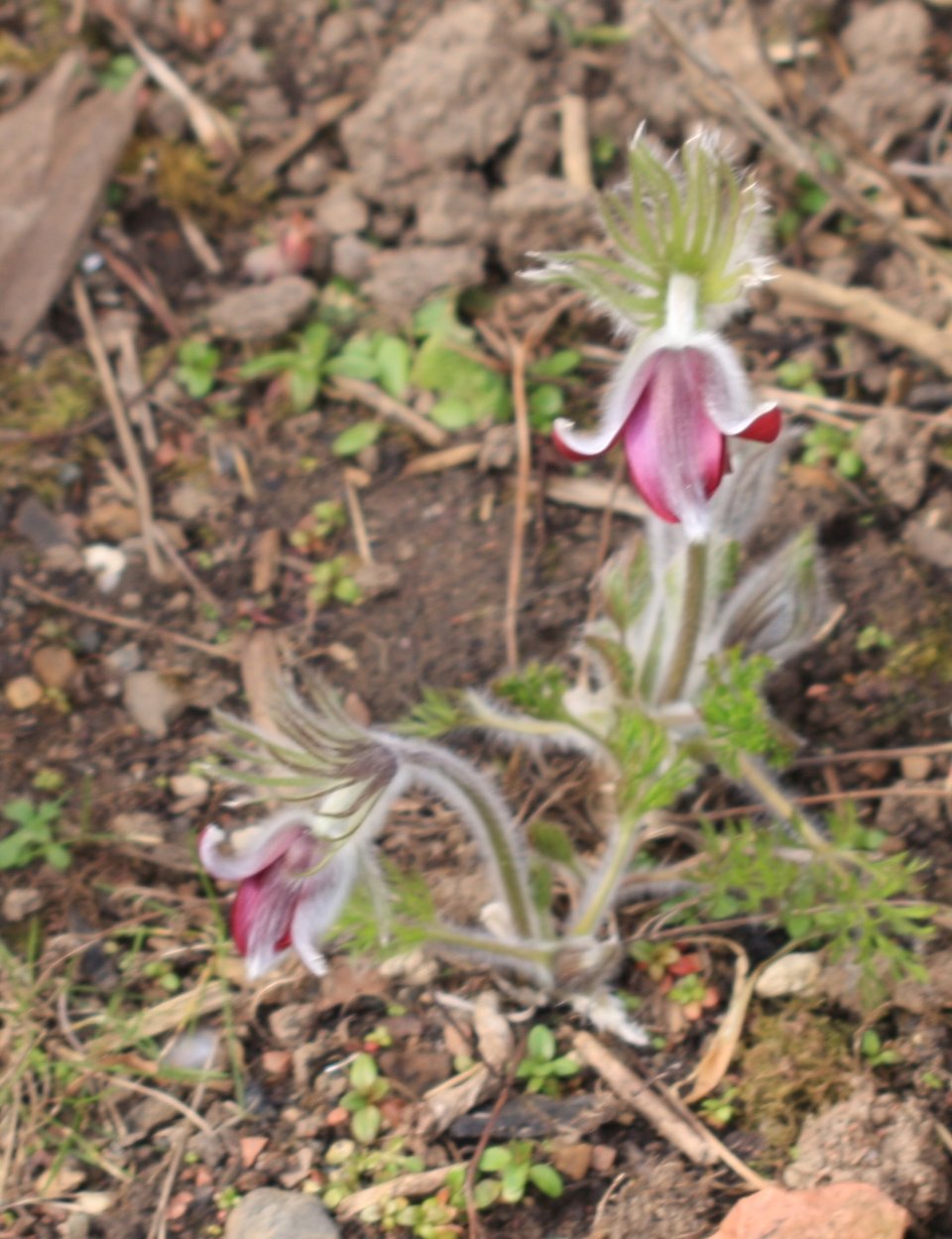
I’ve held over this letter until after the equinox so I could take a photo of this little gem, pasque flower, which disappeared almost entirely over the winter, and is now flourishing.
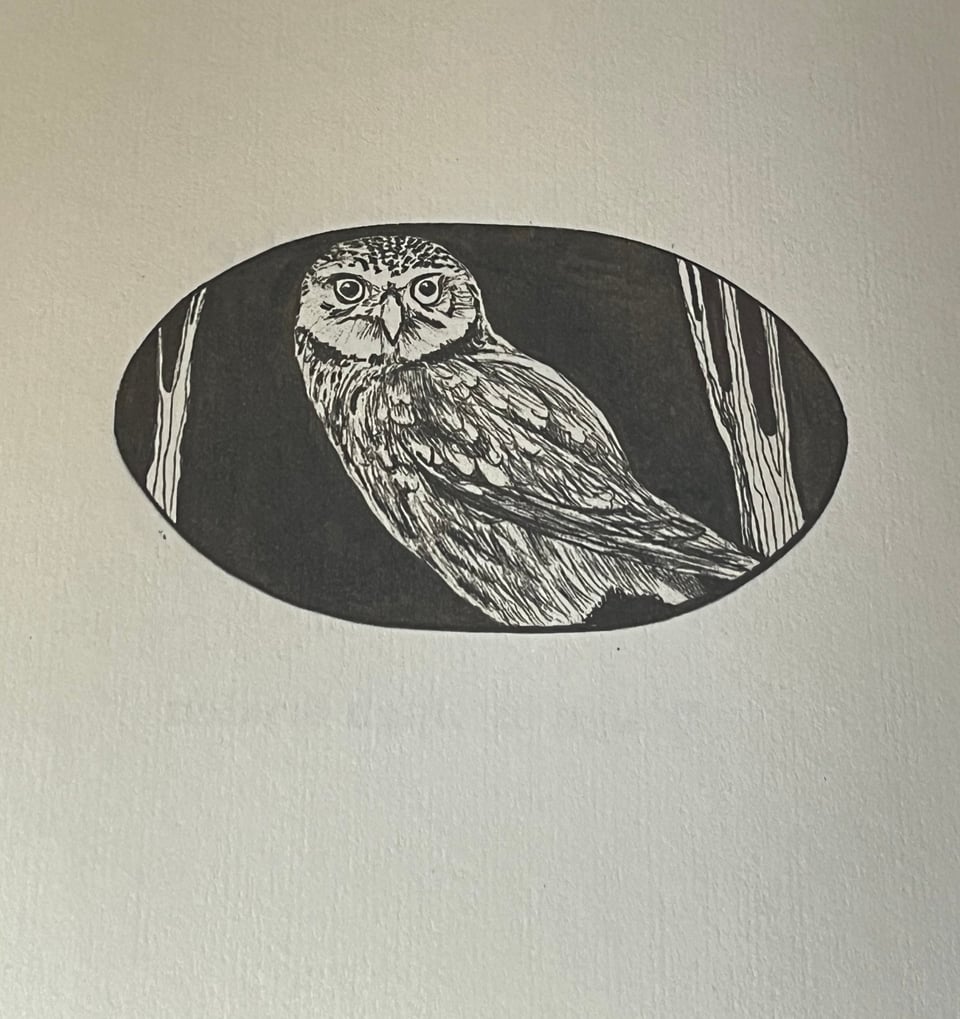
I have also held it over so I can show you this, which I’ve just heard will be on the cover of the new book. This artwork is by Hugh Bryden who made the wonderful Charms for the Healing of Grief bracelet, and has kindly given permission for us to use it. Yes, it is with the designers now, and preparations for launch readings are already under way.
I will be reading for NeuroCentral, a charity supporting those living with neurological conditions, on the May Holiday, but the first official launch will be on the 7th May at 2.30 in St Bride’s Church Hall 21 Greenlees Road Cambuslang. There will be tea and cake. My good friend, the wonderful Edinburgh-based poet Anne Connolly will also be reading and my grand-daughter Lucy Cameron will sing. Lucy Cameron will be studying Acting (Musicianship) at the Liverpool Institute of Performing Arts in October, so this will be a good chance to hear her before she leaves. I know, being biassed comes with the granny job description but I think you will enjoy it! There is an election on the 7th (I’ll be voting early!), but it is also the date of what would have been my father’s 100th birthday, so I’ll be thinking of poems to remember him by. This one came to mind – it refers to the Faerie Queen in Tam Lin, a reminder that we may be observed as much as observers of the world around us, but I realised that the title is actually prompted by my father’s habit, when I came home, of exclaiming, ‘Who is it? Could it be? It isn’t, it couldn’t be! Enter the Queen of the May!’ I’d be lucky if he didn’t add ‘waving her wooden leg in the air!’
Queen of the May
Here she comes, through the mille-fleurs
tangle of spring leaves and cuckoo-flower,
riding her white horse, all gussied up
like the Queen of Sheba in her rushy cloak,
dried grass and jay feathers and twigs in it,
a pert wren balanced on the crook of her arm.
Clearly from somewhere else, a strange
and different place, she is more at home here
than hapless Tam, though all the hill belongs to him.
He don’t impress her much, it seems, despite
the sweet talk, the flattery. She’ll lead him a dance,
through brakes, through briers, she’ll have him
or she won’t, she’ll do as she pleases,
let him see whose whims are law,
who pays the tithes to hell - and maybe
after seven years that’s why
she’ll give him the ultimate cursed gift -
the tongue that can never lie.
And then on the 14th May, I will be reading at St. Mungo’s Mirrorball in Waterstones on Sauchiehall Street. Headliner and other readers are still to be confirmed, but it will be a brilliant night and I’ll have those details next time. Other dates may well be added, but I will post news of them closer to the time.
My faith tradition will be celebrating our own feast of renewal soon - other traditions have beaten us to it this year, but there will be holidays, and I hope good weather for us all.
You just read issue #17 of Notes from the Hill of the Poets. You can also browse the full archives of this newsletter.
