
Hey there,
Two weeks have flown by and it’s time for a new issue of Ninja Sparks. It feels a bit strange writing this considering everything happening in the world at the moment, but I want to maintain a small sense of normality, so I will keep doing my thing as much as I can. I hope you and your loved ones are doing well.
Over the last couple of weeks I’ve been working on two main things: small updates to Brush Ninja and a larger update to finish my game Splatter Balls.
At the encouragement of a couple of friends I’ve decided to try releasing it on some game portals. That means adding new obstacles and levels, tidying up the logic, and finally adding music and sound effects.
One of the things I particularly enjoy is that I built a level editor for the game, which means my son has been helping me make levels. He’s enjoyed building them and even coming up with ideas when he’s nowhere near the computer, which I really want to encourage. Not because it would make the game bigger, but because I want him to experience the same joy of creating things that I do.
That also led me to another idea. I’m wondering if I could make the editor public and allow people to submit levels for possible inclusion in the game.
Drawing Timer
At the start of the year I said I wanted to get better at art, and recently I’ve found a new way to practise.
Practising drawing through timed exercises is a common technique, and I linked to some resources for that before. The problem is that most of those tools focus on figure drawing, whereas I want to practise a much wider range of subjects.

Drawing Timer Settings
Then last week I discovered Drawing Timer, a free web app that lets you run drawing exercises using Pinterest boards.
You simply enter the name of a board you’ve created, choose the drawing times, and the app automatically moves to the next image when the timer finishes. It’s a very simple idea, but it works perfectly.

Drawing Timer in action
Now I’m wondering if I should make a simple version of this that works with local images so I can practise using the reference images I’ve collected over the years.
Gorillaz — The Mountain, The Moon Cave and The Sad God
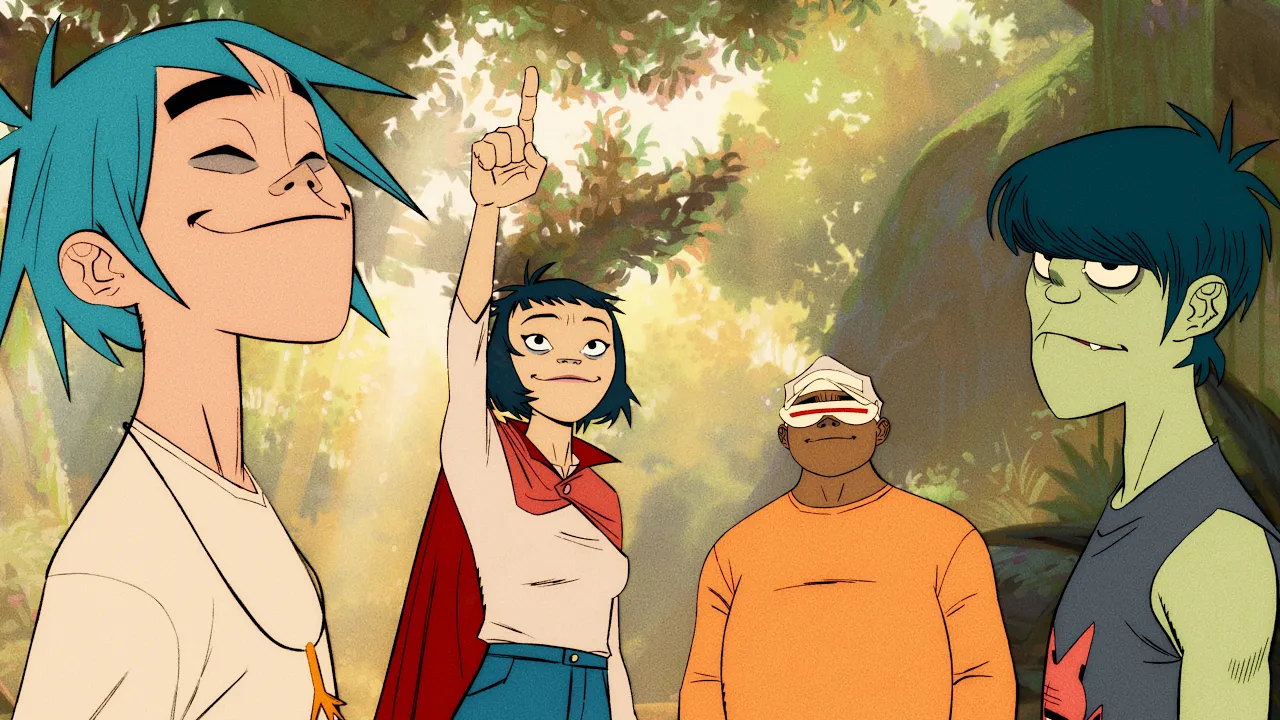
A lovely new Gorillaz song and video.
The video is the interesting part here because it was hand-animated using traditional techniques, something you rarely see these days.
There is a behind-the-scenes making-of video, but unfortunately it’s behind a paywall. Even so, the finished animation is beautiful. It was created by The Line Animation Studio and it’s great to see this sort of work still being made, especially at a time when AI-generated slop seems to be flooding the visual arts.
I’m not a huge Gorillaz fan, but I do appreciate that they keep putting art, craft, and creativity at the centre of what they do.
PicoCAD 2 Feature Trailer

I’ve mentioned PicoCAD before, and now we have the trailer for version 2.
The new version includes a host of improvements. While the original app was built with Pico-8, the new version is made with Love2D, which is a more powerful framework and allows more flexibility and better performance.
New features include a built-in texture editor, a new animation system, and object-based scenes that allow more complex models. There’s also a new palette system which removes the limitation of the Pico-8 colour palette.
Sparked Discoveries
Here’s a handful of links I found intriguing recently:
DOOM on an Oscilloscope
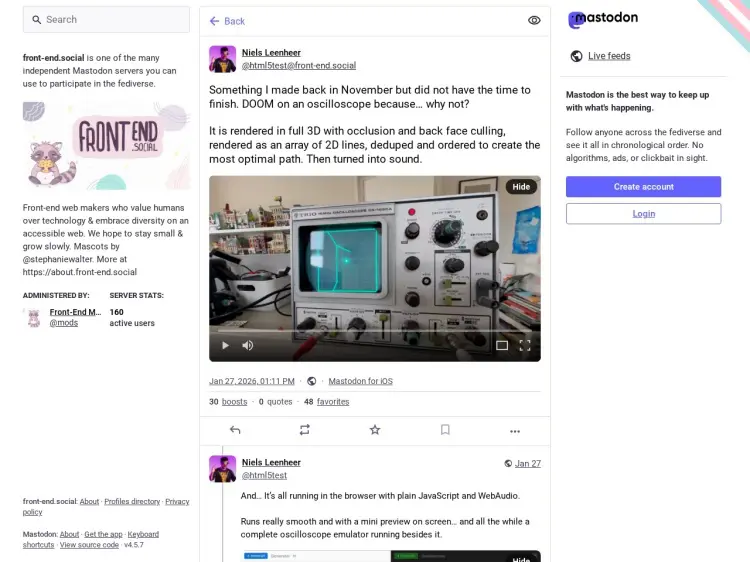
Developers love running DOOM on anything with a screen, but this one is particularly unusual.
Niels Leenheer managed to get Doom running on an oscilloscope, which is a device normally used to visualise electrical signals.
It’s an impressive piece of engineering and programming. The Mastodon thread includes both a video and a write-up explaining how it works. If you’re into programming it’s worth reading for the technical details. If you’re not, it’s still worth seeing just for the result.
Can you do me a small favour?
If you’ve been enjoying the newsletter, please share it with a friend or two. Just forward it or send them the archive link. It really helps!
Brickset Lego Catalogues

I’ve used Brickset for years but somehow never noticed that they host a large collection of scanned Lego catalogues.
It’s fascinating to see how the sets have evolved over the decades, and it’s a great resource if you’re interested in Lego history. I even recognised a few catalogues from my childhood.
The Scale of Life
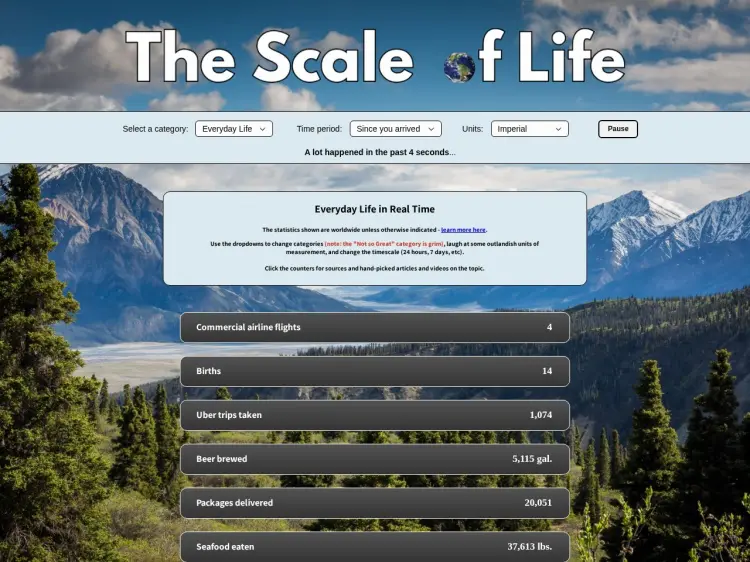
This is a very simple website, but it really puts things into perspective.
When you arrive, the site notes the time and then shows everything that has happened since that moment. In the time it took me to write this sentence, for example, there have been 158 births.
The first page is interesting on its own, but make sure to explore the different categories because there is a lot of fascinating data to compare.
It’s a small reminder that we’re all part of a much bigger picture and that our time here is just a brief moment in the grand scheme of things.
Currently…
I’m still reading the book from the last issue, The Book That Held Her Heart. It’s a long book, but I’m now over halfway through and things are starting to come together.
My son is currently reading the Skandar books. I read them as they were released over the last few years and really enjoyed them.
There are definitely parallels with the Harry Potter books, but after the first book or two the series really becomes its own thing.
He has said this is his favourite book series so far, which is encouraging because previously he mainly read younger stories like Bunny vs Monkey and Looshkin. I have nothing against those, they’re great, especially for younger readers, but it’s nice to see him enjoying more complex stories as well.
Have you found anything interesting lately? I’d love to hear about it, just reply to this email!
See you next time,
Ben
You just read issue #70 of Ninja Sparks. You can also browse the full archives of this newsletter.


