
Expedition 65
The Bathysphere
Ahoy there! Welcome back to The Bathysphere! We’ve been away on a long summer voyage, but now we’re back with many tales to warm you in the coming winter months. So gather round, light a candle, and listen…
The Bathysphere crew
Christian Donlan
Florence Smith Nicholls
Keith Stuart
Contact us at [email protected]
Delightful games
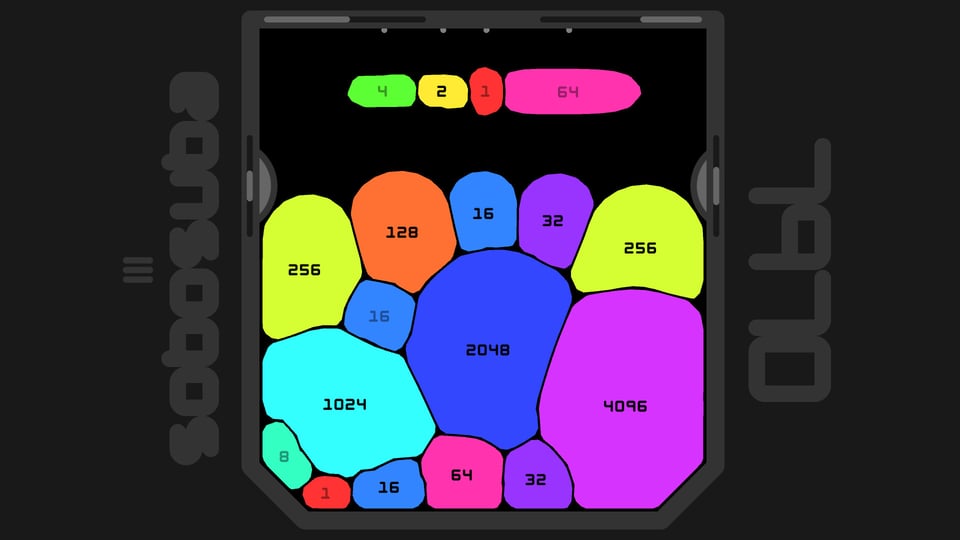
If you have a personal file marked "Games that look sweet but are actually incredibly stressful," please update it to include Sobosuba. CD
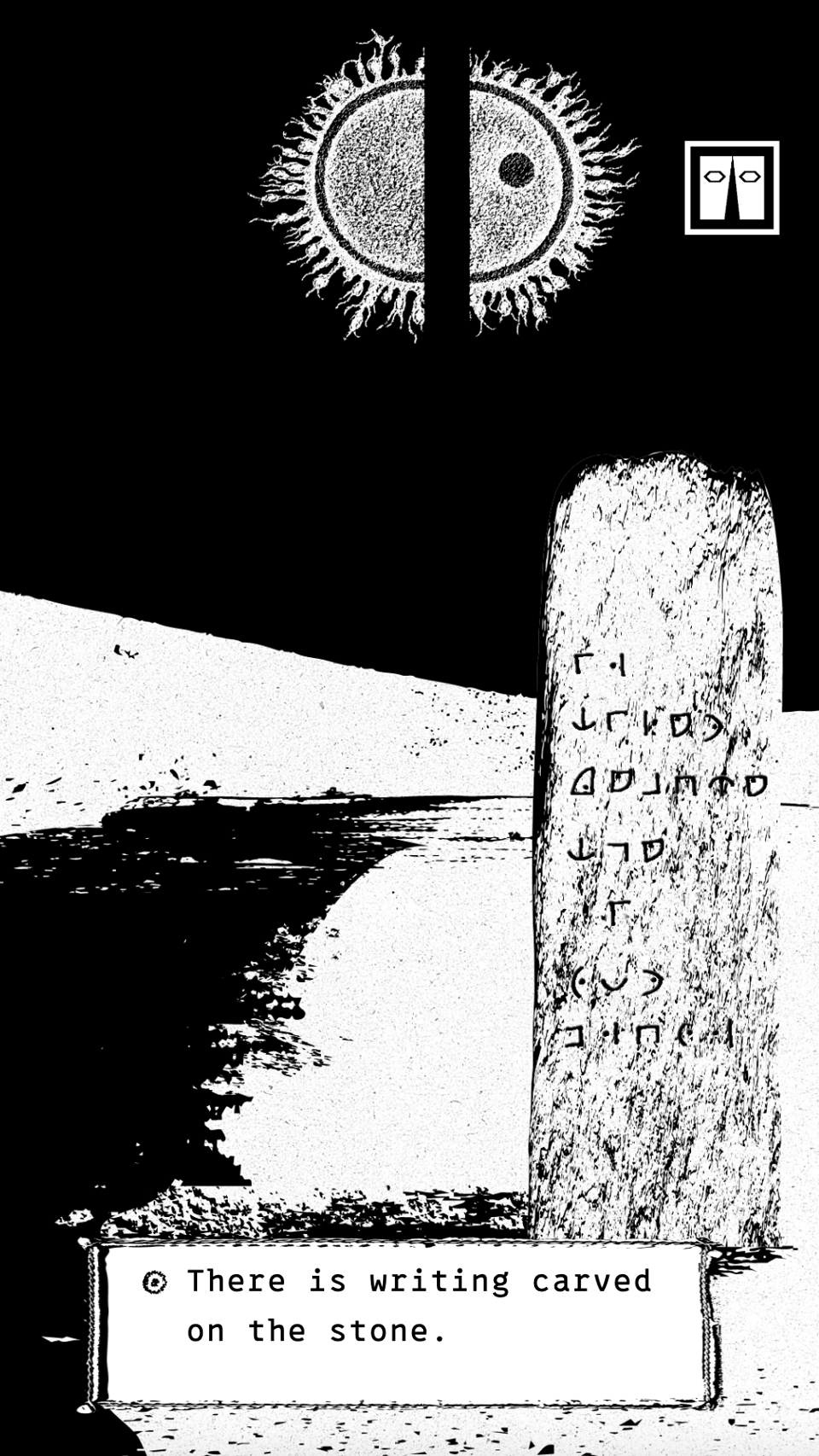
If you want to house an unsettling pocket universe in one of your browser tabs, then tiengiungtong’s website is for you. FSN
Interesting things
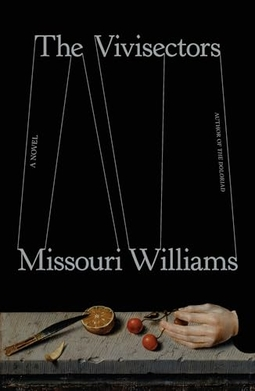
I’ve started reading The Vivisectors, a novel that is full of ideas overgrown like the unwieldy gardens in the university city that it depicts. There’s a passage in the book, a story within the story of a dreamlike world with “gardens at the edge of the city, which are hazy, ephermeral, not really gardens at all,” which reminded me of what it feels like to stand at the edge of a video game map. FSN
Essay: Let’s do the time loop again
For the first time in my adult life, I have access to a clothes dryer. This has generally improved my quality of life, but the machine’s inconsistent relationship with time has not. The LED screen dutifully counts down the minutes that I have left till it's finished. Ten minutes, nine minutes-then suddenly there are thirteen minutes left. I wipe my eyes and stare at the machine, check my phone, reassure myself that I haven’t imagined it. Time has moved forward. The appliance is just managing my expectations.
If this kind of mundane detail of temporal dislocation intrigues you, then I would recommend On the Calculation of Volume by Solvej Balle. That wasn’t meant as a jibe, I earnestly think that it might be one of the best pieces of time loop fiction I have ever experienced, precisely because it is unafraid to dwell on the everyday (a term that takes on even more meaning when you consider, well- everyday really is every day, forever). To summarise, Calculation follows Tara Selter, a woman who can’t stop experiencing the 18th of November. What sets the book apart is how it charts the slow disintegration of Tara’s identity as she becomes alienated from every other person who still experiences that day as if it were the first time. She becomes a stranger in her own home, even hiding from her husband who assumes she is away on a business trip, because the length of time she has experienced that same day has fundamentally changed her as a person. She is both stuck at home, and ultimately unable to ever return there.
Apart from the general existential misery of living under capitalism, the closest I’ve gotten to experiencing something like this was during a larp called The Sisyphus set on a boat in which all the players were stuck in a time loop and had to act out the same day every few hours. The larp runners also covered the windows and removed the clocks from the walls, and I was surprised how quickly I lost track of time without obvious external markers. Looking back on it now, that whole experience could have just as easily been a single night’s dream or a whole week, such as it was cloaked in the haze of fragmented memory.
In his 2007 doctoral thesis Command Lines: Aesthetics and Technique in Interactive Fiction and New Media Jeremy Douglass describes how the protagonist of Groundhog Day eventually “negotiates his clockwork town with the brisk mastery of an expert player at a well-loved game.” Games, cathedrals wrought of feedback loops, are perhaps the perfect medium to depict the time loop. There are countless examples, and often it is the case that these clockwork worlds are designed precisely so that the player can gain mastery over them by acquiring knowledge and skill over multiple iterations. Proof that players are drawn to divining not just such macro-loops but micro-loops in game worlds can be seen in the wider obsession with memorising attack patterns, or even observing NPCs to work out the extent of their looped animations and movements.
However, mastery doesn’t interest me much. Calculation paints a much more challenging picture. Its protagonist starts to see herself as “a monster in a finite world” because even if most things reset each day, anything she has eaten disappears. Suddenly, the time loop is not so much a carousel of opportunity as a tightening ouroboros. I’m not quite sure what a video game adaptation of Calculation would look like, but it would certainly have to level with the simultaneous erosion of the protagonist at the same time that her mere presence extracts volume from the world.
For the first time in my adult life, I have access to a clothes dryer. This has generally improved my quality of life, but the machine’s inconsistent relationship with time has not. The LED screen dutifully counts down the minutes that I have left till it's finished. Ten minutes, nine minutes-then suddenly there are no minutes left. FSN
Add a comment: