
Expedition 59
The Bathysphere
Welcome to the 59th voyage! What shall we find today as we dive beneath the waves? Floss is taking a camera just to be safe.
The Bathysphere crew
Christian Donlan
Florence Smith Nicholls
Keith Stuart
Contact us at [email protected]
Delightful games
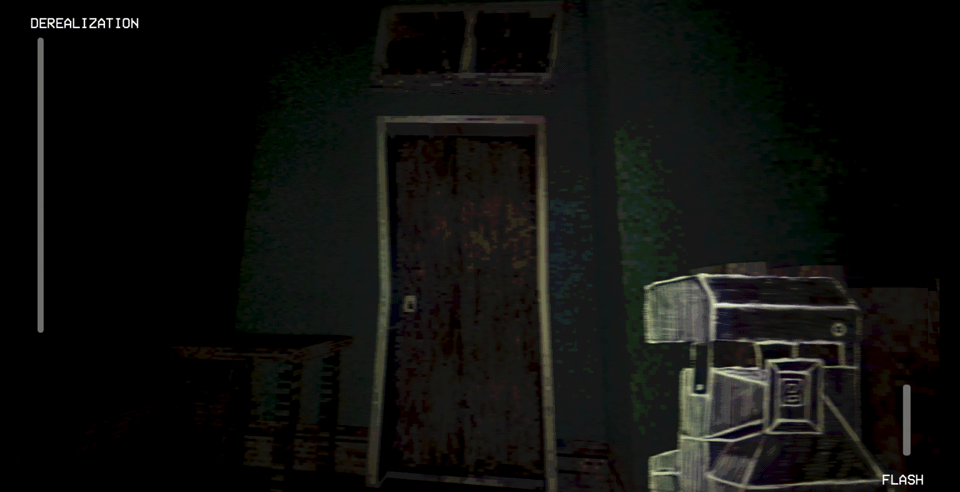
I’ll admit I haven’t actually tried Crawling yet, but how could I not include a “spirit photography” game here given the theme this week? For fans of lo-poly horror games with a crunch. FSN
Interesting things
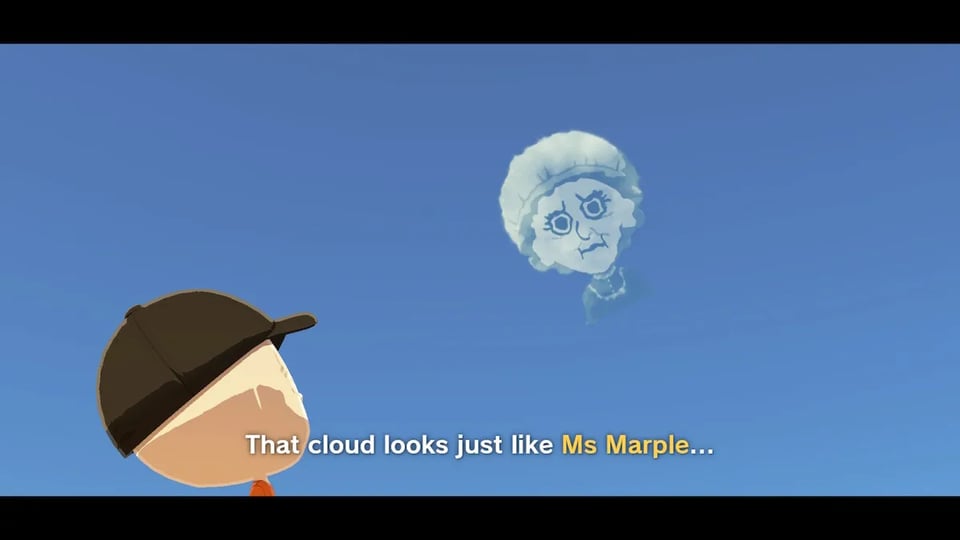
On the topic of Tomodachi Life: Living the Dream (which I discuss in the main essay) Laura Michet has a great blog post on her own gameplay antics, replete with many colourful screenshots. FSN
Essay: (Screen) shots fired!

Screen Photography and Early Game Cultures
Jacob Gaboury
Take a screenshot of this, right now, that you’re reading. How long did that take? A second? How much effort? The mere click of the button? What seems trivial and mundane to us was once a performance of self-preservation that required pre-planning and specialist equipment. As Jacob Gaboury writes about the history of the video game screenshot in the 1980s: “These early screenshots index the moment in which a picture of a computer screen ceases to be an image of a computer and becomes an image of the person who took it.”
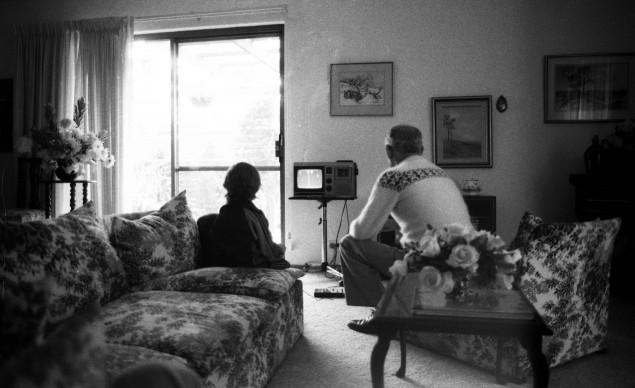
In the beginning, the screenshot really was just a shot of a screen - while many early screenshots were taken by specialists for marketing purposes, players themselves would find ways to document their own gaming activity. A really interesting example of archival work into this practice is The Popular Memory Archive that collects 1980s games ephemera from Australia and New Zealand, including photographs. What’s particularly interesting to me about the images in the archive is you don’t just see what people were playing, but the context in which that play was happening. Take this photo below of a grandfather and granddaughter playing Tennis on the Atari 2600. Look at how they are positioned, how they have adapted themselves and the space to play the game, and its apparent incongruity among the other furnishings in the living room. There’s also something so fascinating about how familiar the rest of the scene is, a sofa is still fundamentally the same 40 years later, but our gaming setups are not.
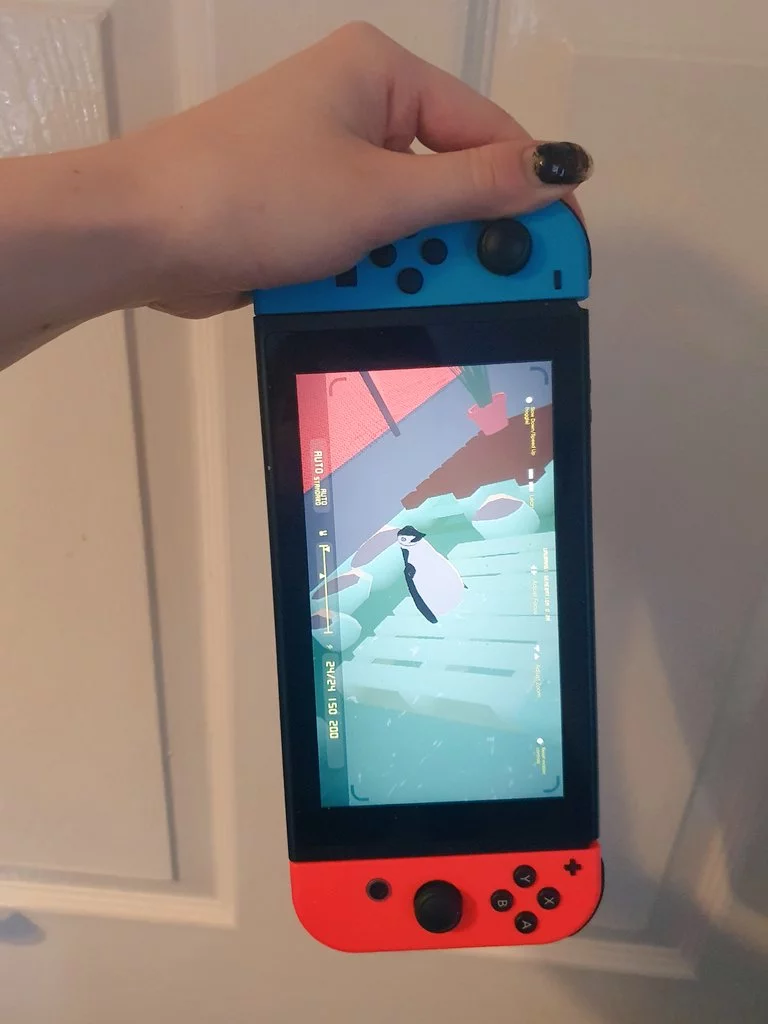
I’m obsessed with the context in which video game play happens, and how we record it, and I often think about how we may have lost something with the increased trivialisation of the screenshot. Now games don’t just allow you to easily take them, they actively enable you to share them on social media as well. Yet, all that extraneous context of play is lost. I actually argued in an online talk back in 2020 that there is a value in returning to taking literal shots of screens in order to remedy this, or at least as part of a conscious self-documentation effort. A case in point is a photograph I took of myself playing Umurangi Generation on the Nintendo Switch with the gyro controls enabled. Many things have changed in the five years since that photograph was taken, although I still do wear black nail varnish every day. You can also tell that I just really love the penguin in that game.
What inspired me to write this piece was a recent disruption in the screenshot ecosystem when Nintendo restricted the ability to share them from the social simulation title Tomodachi Life: Living the Dream. This was due to fears about the game’s lack of text filter leading to “out-of-context scenes” which “may not reflect the spirit in which the game is intended to be enjoyed.” Whatever your opinions on the paternalism of Nintendo, it led to some interesting results in that players returned to the screen photography practises of their 80s forebears. I guess what I’m saying is: I’m super nosy. I don’t just want to know what you think is worth sharing on social media, I want to know where you’re playing and why your PS4 is covered in a pile of coat hangers.
Oh wait, maybe that’s just me. FSN
Add a comment: