
Expedition 52
The Bathysphere
Hello, and welcome aboard once more! This week Florence considers the hermeneutics of IKEA. In the meantime, Chris looks behind the curtain.
The Bathysphere crew
Christian Donlan
Florence Smith Nicholls
Keith Stuart
Contact us at [email protected]
Delightful games
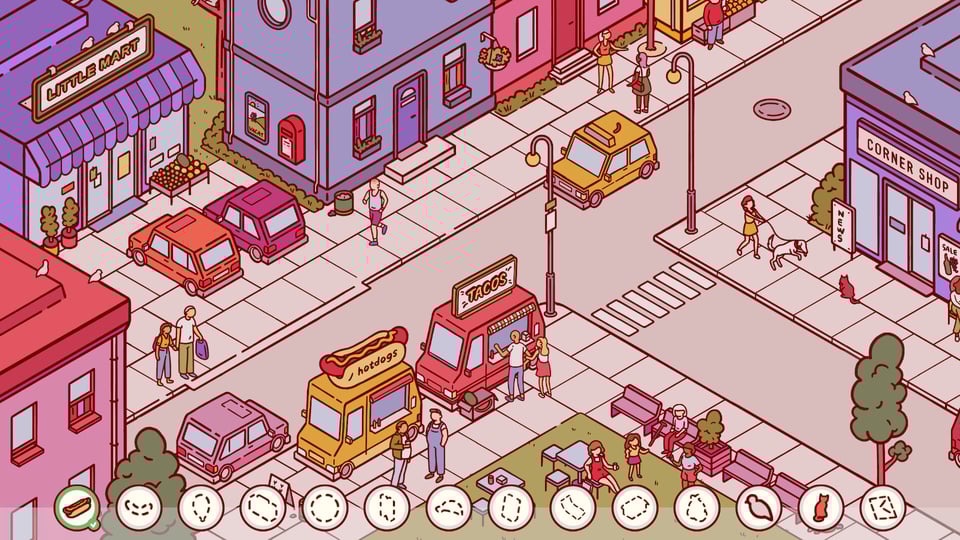
Nippets is a hidden object game by Blink Industries that I’m currently in love with. It’s not just the Richard Scarry busy-ness of the worlds that you poke around in or the fact that you can go inside certain buildings and re-arrange cushions on a sofa and paintings on a wall. It’s not even the way that the objects you’re looking for come with a little bit of narrative attached each time.
Rather, it’s the way that, now and then, the game makes you feel genuinely weird for sticking your nose into other peoples’ business like this. For example: you can open windows in apartment buildings and move back the curtains to see inside. Eek.
I adore the fact that Nippets is both a lovely thing and a quiet study in the moment where curiosity becomes something a bit more problematic. CD
Interesting things
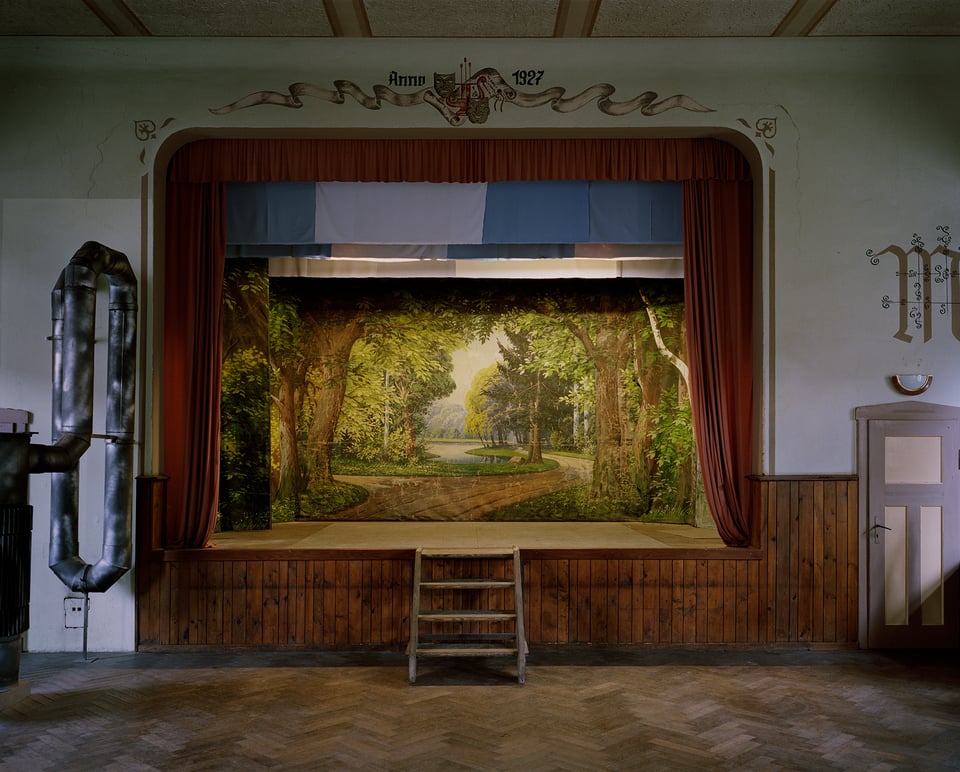
Fabrica is a wonderful art space in Brighton, and it’s just had an exhibition showcasing a huge range of different pieces. I was absolutely floored by Anno 1927, a photograph by Mike Chick. Here is the promise of videogames - and all of art - in one image. CD
Essay: Environmental storytelling in IKEA
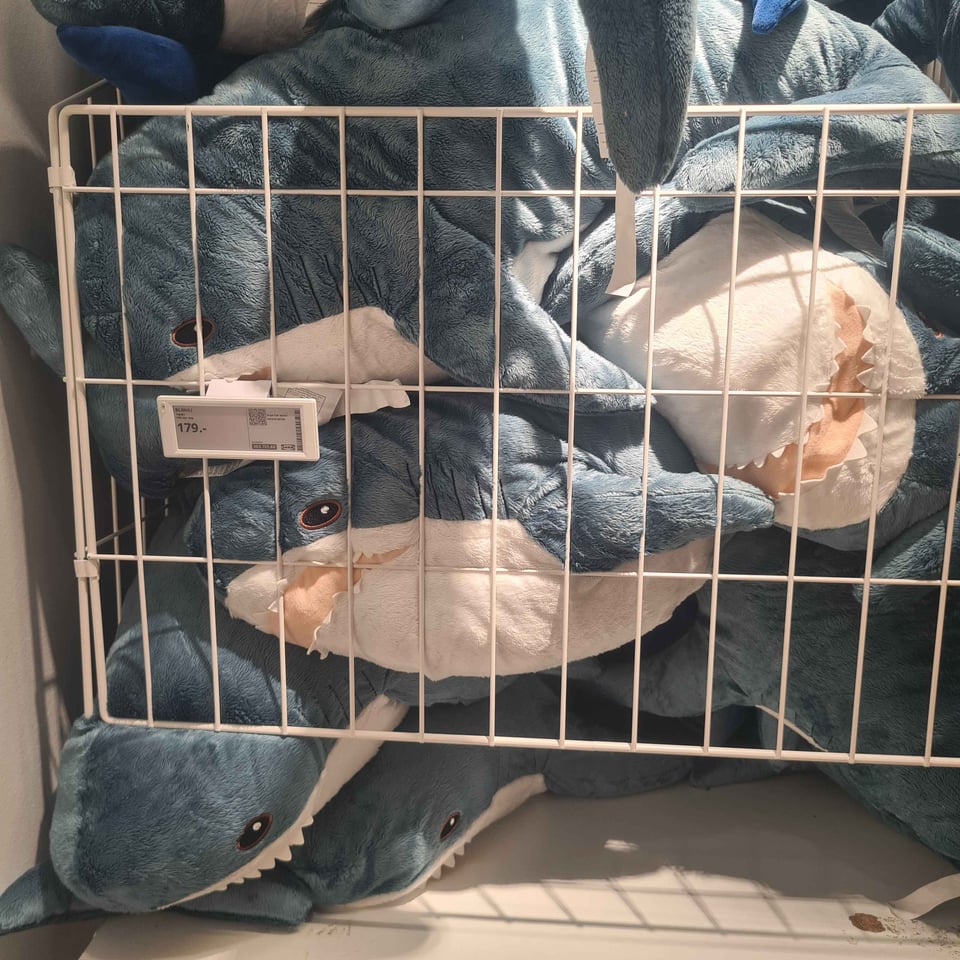
Often, when I’m walking down a street or through a park, I’ll see some object abandoned by its owner, or perhaps a tableau of shopping trolleys and wistfully think to myself: ah yes, environmental storytelling. I’m obsessed with the concept in both video games and real life. In the so-called real world, such assemblages can tell us something about the people that occupied a space and their behaviour. In a video game (unless it is a persistent multiplayer world) the placement of objects is convoluted, a designed narrative.
There are plenty of examples of analogue, deliberate environmental storytelling in theatre and film sets, in theme parks, and even in the humble shop window. “Window dressing” is a term that has come to be associated with mere artifice, but if there is one store that surely takes its environmental storytelling seriously, it's IKEA.
I recently visited my first Danish IKEA (not quite Sweden, but close enough) and managed to get distracted in the showrooms where it feels like you’re sneaking inside someone’s home. I know the ultimate point is to create a domestic fantasy in order to sell furniture, but I’m fascinated by what kind of fantasy they wanted to represent. Let’s look at a few together.
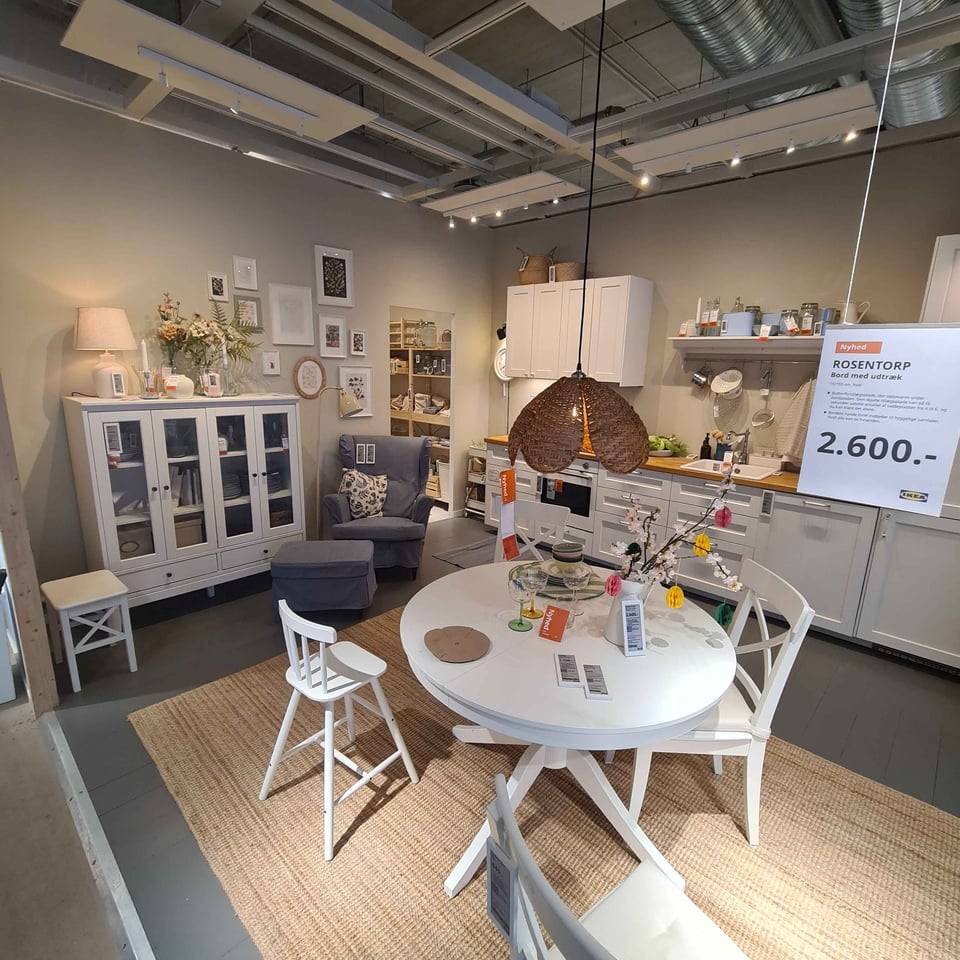
First, this rustic but modern kitchen with (at the time) appropriate seasonal decorations. I don’t know why I find it so disquieting to enter these showrooms where it appears that the absent inhabitants are always on the verge of hosting a dinner party. Maybe it’s because it reminds me of a walking simulator like Gone Home, and I’m afraid that at any moment I’ll discover an audio diary that shatters the heteronormativity of the suburban kitchen. Or maybe it's just the fake lettuce.
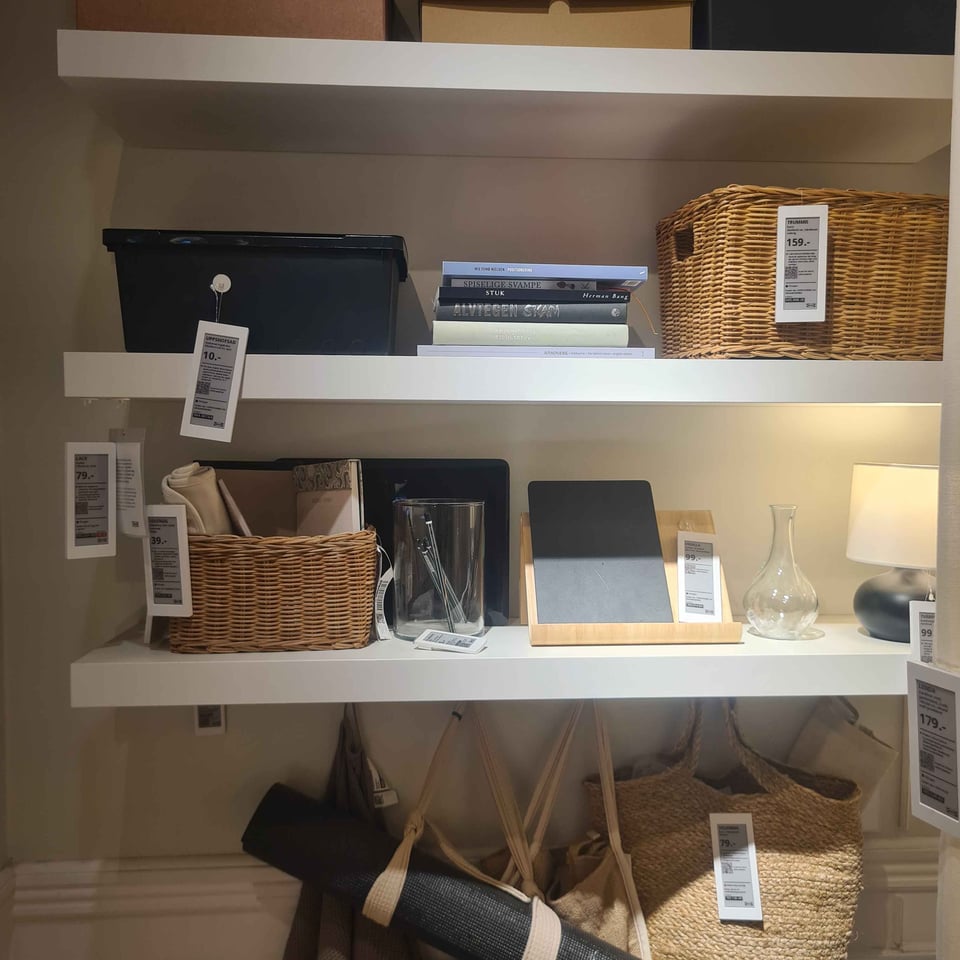
Another fun detail is the books. In a game, you can just reuse an asset or procedurally generate a volume with a title like “Things May Seem Grim,” but IKEA needs real, nice looking books. I spied a few on Danish design, I wonder how the book assemblages vary by region. There was also one about mushrooms.
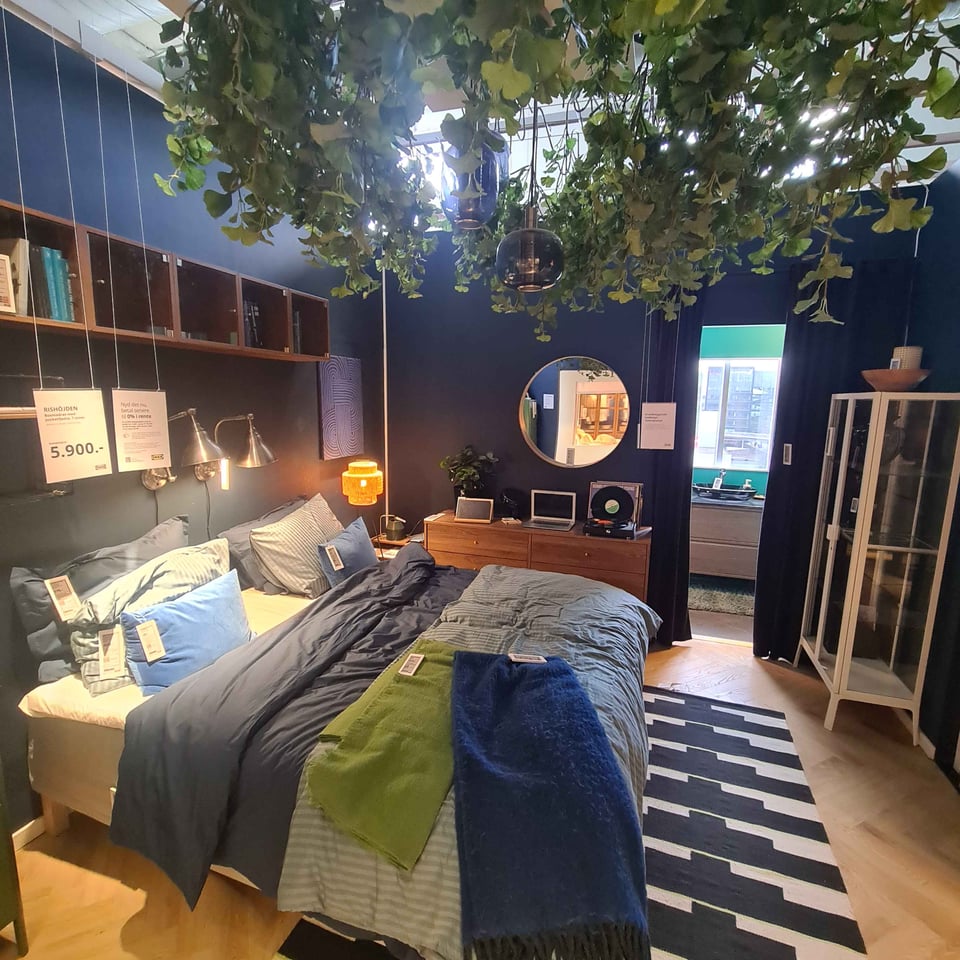
Then there’s this room. I know the setting of a cosy game when I see one. The vinyl records and foliage give it away. Or maybe this is the bedroom of a detective who drinks whiskey and listens to sad songs while having flashbacks about his missing wife.
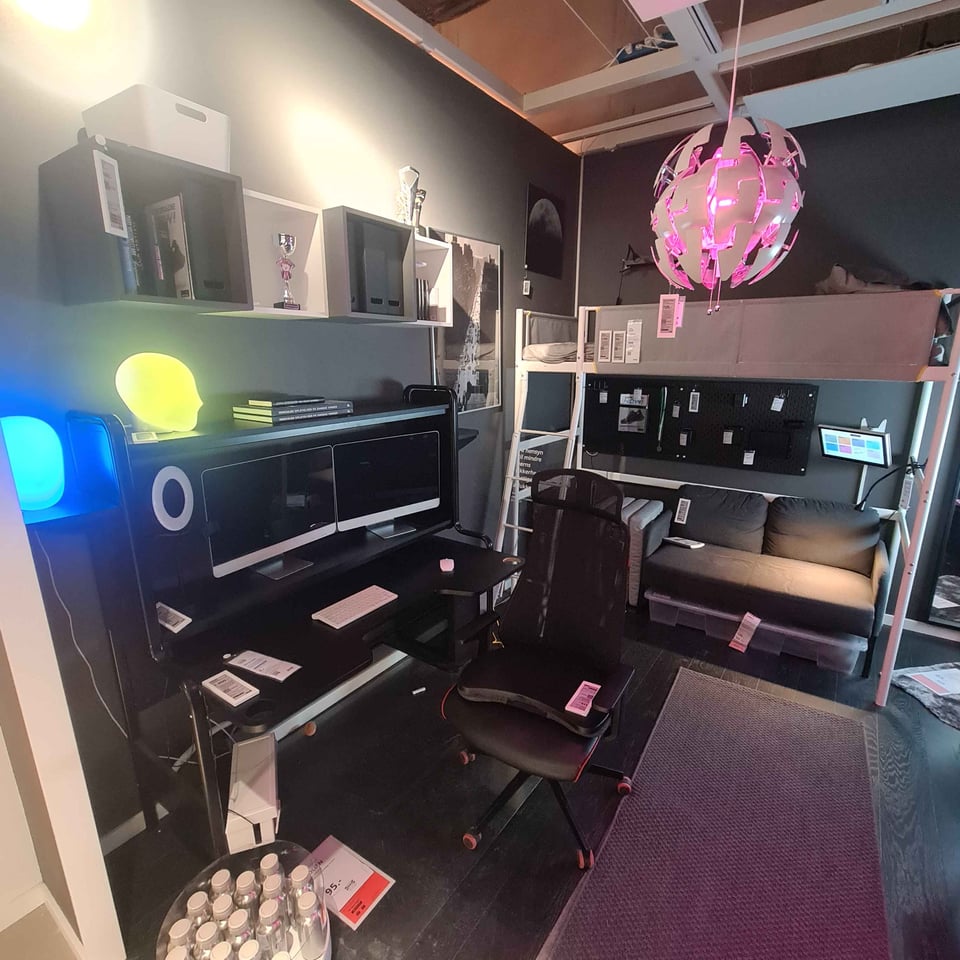
Finally, my favourite, the GAMER room. Perhaps the trophies are meant to be for Esports, I didn’t actually check. Still, the glowing lamps in the shape of human heads certainly are striking. But don’t get the wrong impression, this isn’t the bedroom of a teenage boy, this is my room. And you’re not allowed in. FSN
Add a comment: