
Expedition 47
The Bathysphere
Sincere apologies, but Donlan is the only crewmate aboard this week. Expect typos and much second-guessing. (Is crewmate one word or two? Should there be an ‘e’ in typos?)
The Bathysphere crew
Christian Donlan
Florence Smith Nicholls
Keith Stuart
Contact us at bathyspherecrew@gmail.com
Interesting things
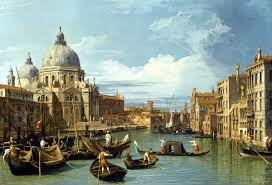
The less you know going in to this episode of the podcast series The Wind, the better. Just know you’ll need a deck of cards handy, and you’ll learn something about Canaletto that I found properly mind-blowing. CD
Delightful games
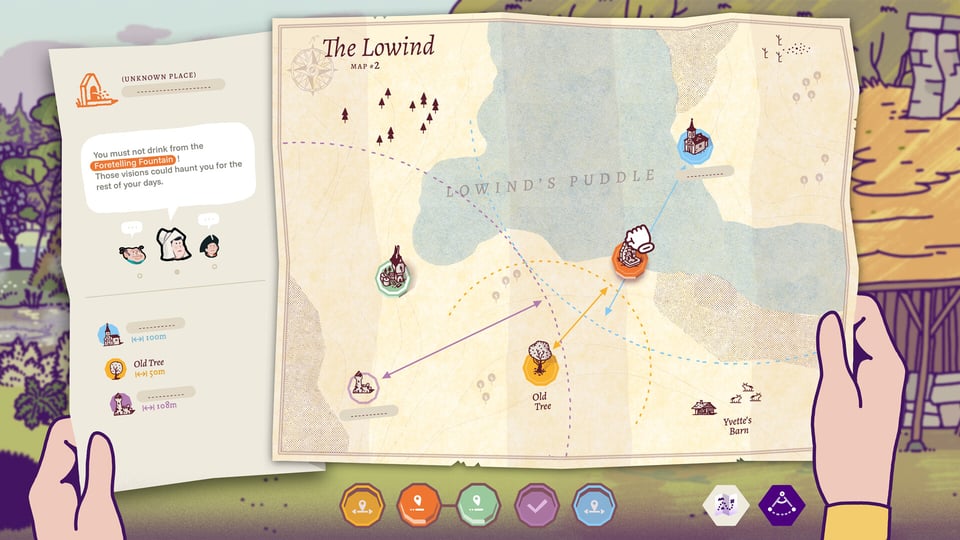
I also don’t want to tell you too much about Beware of the Cartographer!, an ingenious and characterful game that has a new demo out. Just enjoy it. I’ve played it through two or three times already. (Kicking off this issue’s Pynchon-fest that is never too far away with me, there are hints of Mason & Dixon in play. I’m going to call it: that’s his best novel.) CD
Essay: Warlock (but no Firetop Mountain)
I’ve been re-reading Warlock over the past few weeks. It’s the wonderful revisionist Western by Oakley Hall, that reworks the Gunfight at the OK Corral - and the wider story of the Earps and Doc Holiday and the town of Tombstone - and turns it into an investigation into how easy it is to lose a society. It was written, I gather, in part as a commentary on the Cold War, but it’s worryingly easy to see the moral and ethical degradation that steadily chips away at the town of Warlock through the lens of the current US administration. What comes next, it asks. What really can come next?
Inevitably, as I’ve been reading Warlock, which is a favourite book of both Thomas Pynchon and the dapper games writer Oli Welsh, I’ve been wondering how one might explore its ideas in games. (Pynchon said the book has “a deep sensitivity to abysses”, incidentally, which is pretty much unbeatable.)
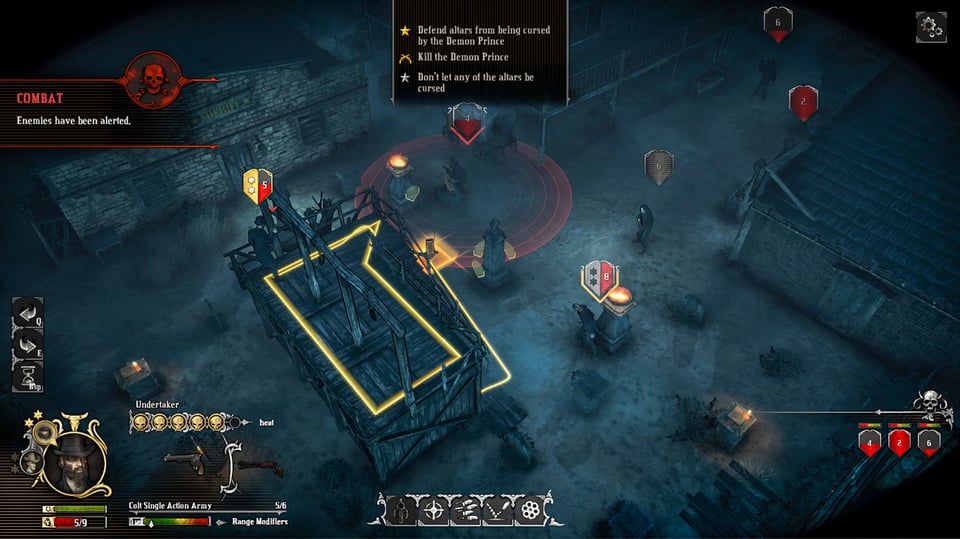
This is not a milieu I know well, so apologies for the ramblings that follow. When I think of Westerns in games, I either think of lavish cinematic/literary stuff like Red Dead or games that rework the six-shooter combat of the era in interesting ways, like Hard West, which minted a surprising kind of hard-drinkin’ harmony from turn-based gunfights.
But to read Warlock, something more interesting suggests itself. There are gunfights in Warlock and lots of stand-offs, and there’s even a lingeringly biological description of a deadly knife fight, told from the perspective of one of the protagonists and unfolding in a series of queasy sensations. But these moments of action are often almost a relief when they occur. They feel like a release valve is being opened. Instead, the drama unfolds from the human stuff that leads up to the violence.
Warlock tells the story of a town that is being threatened by cattle rustlers, and which has paid for a well-known gunslinger to come and defend them. But Clay Blaisedell, the gunslinger, doesn’t just bring his gold-handled Colts with him. He also brings his charming and psychopathic pal Tom Morgan along too, and Morgan generally does what he pleases. (It’s a wonderful coincidence to me that one of fiction’s most frightening characters shares his name with one of the kindest and gentlest people in games media.)
This only compounds the central problem the town faces: that Blaisedell has no legal authority for killing outlaws. He is appointed by a local Citizen’s Committee rather than the nearby Sheriff, and he must work alongside the deputies in a kind of ill-defined alliance.
Once the Citizen’s Committee also lands on the idea of “posting” troublemakers - barring them from town on pain of death - it starts to look like Blaisedell is being paid to assassinate the town’s enemies. And here is where the real meat of the book is found. The drama in Warlock is ultimately a game of information and public sympathy. It’s a game of actions and somewhat unpredictable reactions, and the main characters in the book spend a lot of time weighing what to do and trying to work out what the eventual consequences may be.
So you kill a troublesome outlaw because the townsfolk want you to. But once it’s done, some people start to wonder if it was done fairly, or if posting an outlaw out of town isn’t a way of compelling them to come back and be killed. Some people start to turn the outlaw into a bit of a hero.
Blaisedell and company wear cool hats and ride horses and summon posses and all of that stuff, but the book’s real focus in on how they navigate pride and the unhelpful codes of the old West, along with public opinion, the often short-lived lust for violent retribution, the ensuing shame, and the rumour mill that greets almost every event with misinformation and what we’d now call conspiracy theories.
I can’t help but read all this and think: menus. My ideal game of Warlock would likely have a lot of menus and some kind of simulated overview of the town, its citizens, and the currents of public opinion that course through it, often coming into tricky contact with the law and a sense of wider morality - embodied really brilliantly in the book in the form of the drunken and one-legged judge, my favourite of all Warlock’s cast. It wouldn’t so much be a game about action, but about the stressful decision-making process as you pick which action to take.
I’m no game designer, and I would never pretend to be one, but I can’t help but feel a team like Subset Games, creators of FTL and Into the Breach, who take established ideas and rework the way they unfold, would be absolutely phenomenal with Warlock. They turned space travel into a game that mints real drama from whether or not you should open a door, and they turned an alien invasion into a blend of bar billiards and whack-a-mole. What could they do with Blaisedell, Morgan, and that drunken judge? It’s exciting just to consider it all. CD
Add a comment: