Apples
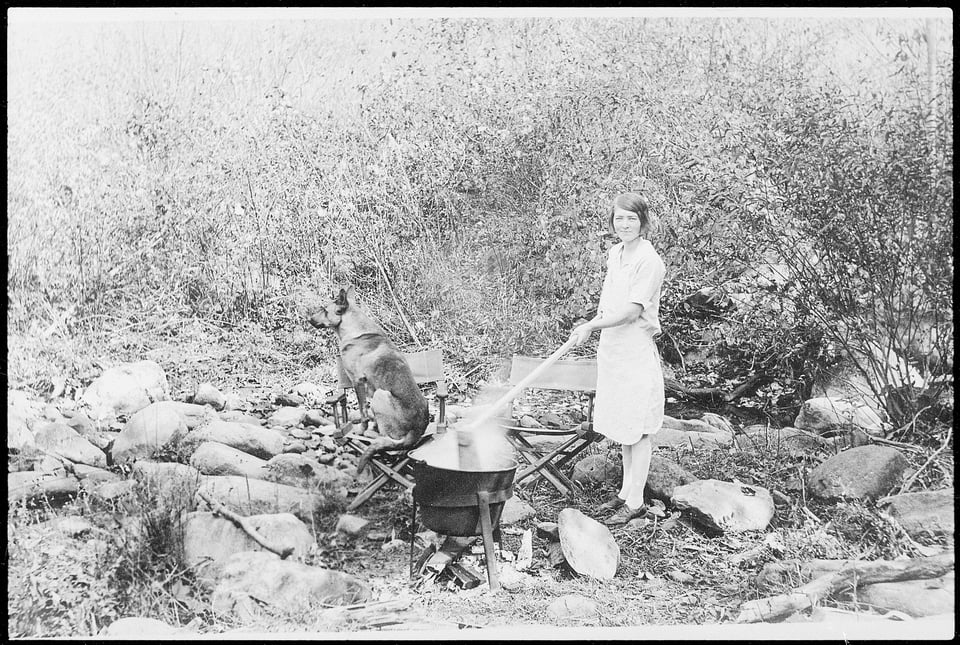
Growing up, I was always confused by the red rock I was handed in the school lunch line, an object with the gall to put delicious in its name. This was not any apple I knew. The flavorless, often mealy fruit could’ve been my first answer for the definition of “irony” in English class.
Better varieties filled the fridge at home, and now, aside from eating some of my favorites every autumn — Northern Spy, Black Twig, Winesap — what I love most about apples are their genetics.
Every seed grows into a different tree with different traits than the apple it came from. Put another way, if you bite and discover the best taste you’ve ever encountered, you cannot get more by planting the seeds from the core.
To replicate a great apple, you graft a cutting from that tree onto root stock. In America, this has been happening since at least the mid 1600s. By the early 1800s, written descriptions were enhanced with illustrations to catalog the medley of forms and traits — shape, sweetness, acidity, appearance, ripening period.
The necessity of physical trees for the archive of apple flavors has created a small subculture of seekers who attempt to find historical specimens.
Some grow in national parks, like the photo that leads this post, but most are out of sight, either hidden by other encroaching botanicals or swaying in plain view, no longer producing telltale fruit but still carrying the tasty codes in their craggy branches for a few more years.
Projects to reclaim heirloom apples stretch from the stone fences of Connecticut and the cider presses of New Jersey to the river canyons of Idaho and Washington state.
Such sleuthing and archival research rescues pieces of our shared heritage. The efforts remind me of an essay I read a couple years ago in Bon Appétit about drying apple slices. “What a life we no longer live as Americans, all our dexterity, focus, and handiwork benched or nearly abandoned in favor of efficiency.”
The sentiment resonates deeply, though I disagree with the concluding word. Nature is ruthlessly and beautifully efficient. But nature is not hurried. All the money in the world can’t make a mature, yielding apple tree if you only have a scion in your hand.
With this season of harvest and gratitude wrapping up, I wish you enough apples to store, enough to share, and enough to carpet the orchard for other creatures.
—
This newsletter was written on the traditional lands of the Piscataway and Nacotchtank.