Wednesday, June 17, 2026. Annette's Roundup for Democracy.
Paul Krugman describes Trump and his fellows precisely.
Though he perhaps should have mentioned their misogyny and racism too which came together in one repulsive moment on Sunday when Josh Hokit, a UFC heavyweight fighter in Trump's cage, shouted out,"Michelle Obama is a man."
Still, the bigger miss by Krugman is this - Trump and his vulgarians are but one silo. There is a second powerful silo too, represented most recently by the New York Knicks and their championship.
It is a tale of a small, hard-working player who gave up 113 million dollars to enable the Knicks to build their Team. It is a tale of a team that against all odds won a championship that belongs to the people. It is a tale of a city that believes in Democracy, Diversity and Grit.
Krugman is only half right. He characterizes Trump's crowd precisely but we are going to win. We already did, last weekend, as we have done again and again against this criminal regime.
See you at the Parade.
The Theory of the Vulgar Class.
Collapsing norms, cage matches, and a republic in danger.
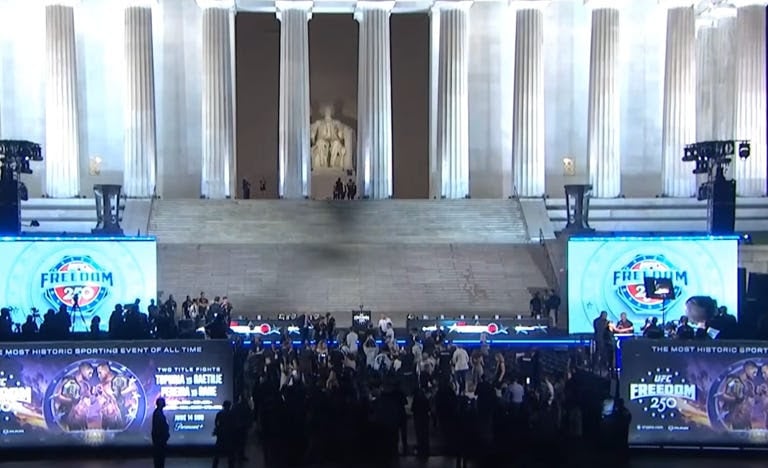
On Sunday Donald Trump celebrated his 80th birthday with a cage match on the White House lawn. The match and the events that surrounded it — especially the press conference with UFC fighters, shown above, held on the steps of the Lincoln Memorial — were a desecration of America’s capital, whose monuments and buildings have always endeavored to represent small-r republican virtues. The whole affair was an affront to the values on which this nation was founded and also unspeakably vulgar.
That last criticism may strike some readers as elitist and trivial. Yet the vulgarity that is the hallmark of Trump and his surrounding circle of oligarchs is a symptom of something not at all trivial: The collapse of social norms. As I argued yesterday, these norms historically played a key role in mitigating abuses of power and privilege during the Gilded Age, the last time America suffered from extreme income and wealth inequality (though not nearly as extreme as what we have now).
Norms matter. In his classic book The Theory of the Leisure Class — published in 1899, at the apogee of the Gilded Age — Thorstein Veblen famously argued that much of the behavior of his era’s elite was driven not by the desire to enjoy life but by the desire to impress others. Partly they did this through conspicuous consumption. Thus they built lavish mansions staffed by legions of servants.
However, members of the Gilded Age elite didn’t solely aim to display their wealth. They also tried to appear respectable. There were surely many private affairs and betrayals we will never know about. But the important point is that the super-wealthy of that era presented to the American public an image of being responsible members of society:
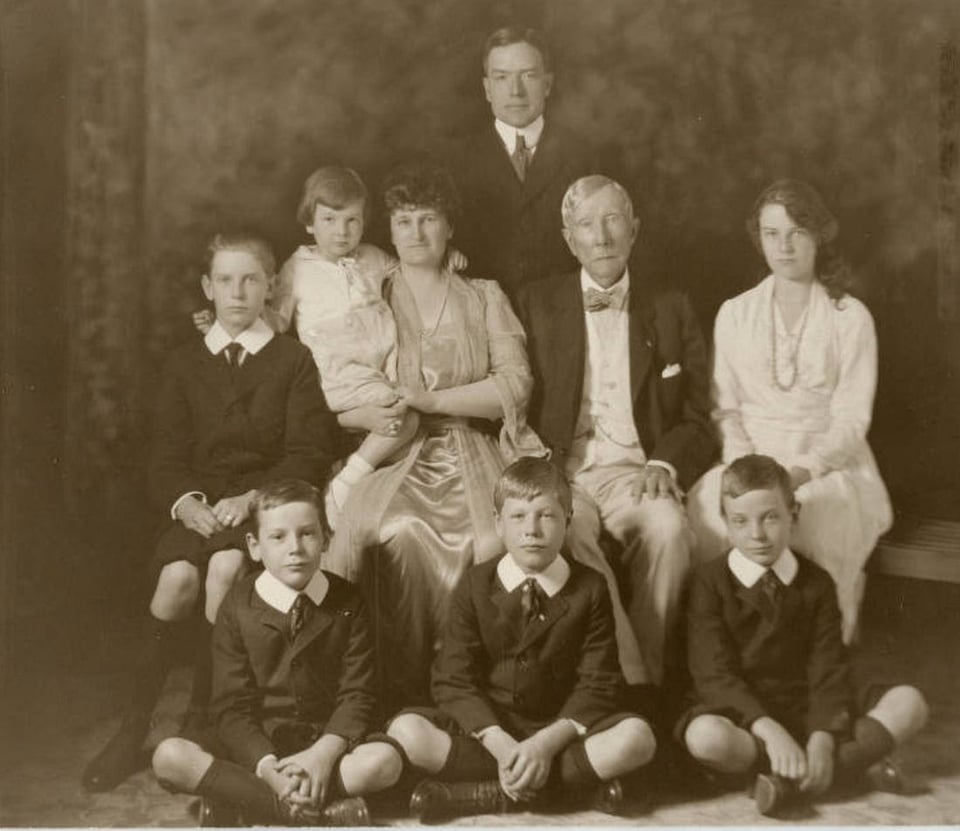
John D. Rockefeller and family
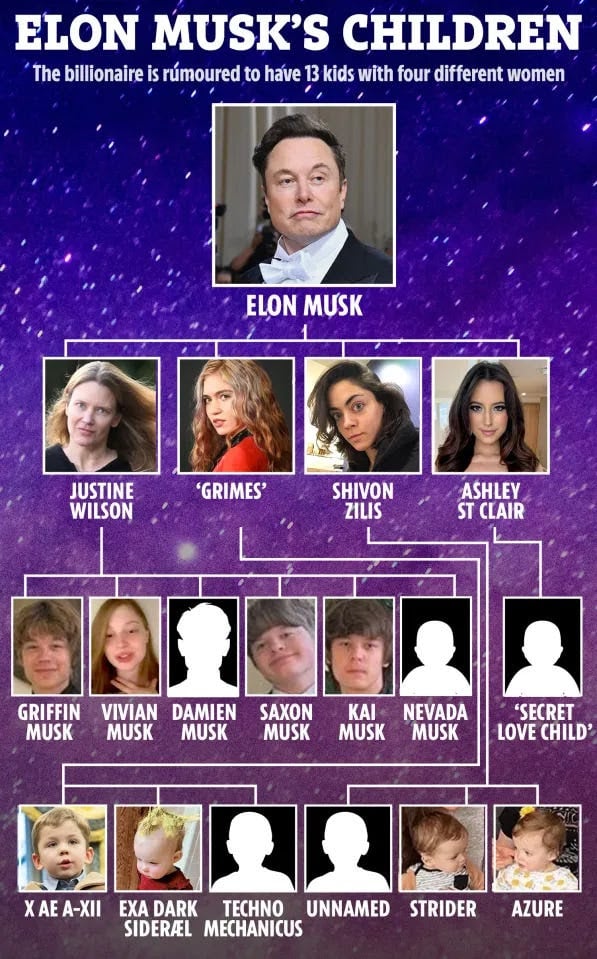
The contrast with the public behavior of Trump’s band of uber-wealthy is startling:
In addition to modeling upstanding behavior, the extremely rich of the Gilded Age were expected to have, or pretend to have, some virtues that were part of the aristocratic ideal, including a sense of noblesse oblige displayed by good works. Veblen was quite cynical about philanthropy, yet even he didn’t dismiss it completely, stating that:
The fact itself that distinction or a decent good fame is sought by this method [such as the endowment of a university, public library or museum] is evidence of a prevalent sense of the legitimacy, and of the presumptive effectual presence, of a non-emulative, non-invidious interest, as a consistent factor in the habits of thought of modern communities.
(Veblen’s lasting intellectual influence did not come from his sparkling prose style.)
Today’s oligarchs, by contrast, have largely given up on the old norms of social and individual responsibility. They give very little money to good causes and their vulgar taste reflects their in-your-face attitude towards the public. In our current hyper-Gilded Age, extreme vulgarity and the decline of philanthropy are really different aspects of the same phenomenon: the rise of an elite so disconnected from ordinary Americans that it feels no need to even appear to be honorable.
So in a real sense we are living in the midst of a reenactment of the decline and fall of the Roman Republic, not a second American Gilded Age. No, I’m not one of those men who thinks about ancient Rome all the time. But there are some obvious parallels.
While the causes of the decline of republican government and Rome’s eventual transition to one-man rule were doubtless complex, there is broad consensus among historians that a key factor was the emergence of extreme inequality. A handful of men became incredibly wealthy from the spoils of Rome’s eastern conquests, and their wealth and power eventually became too great for the rules of constitutional, republican government to contain. Sound uncomfortably familiar?
The death throes of the Republic went on for many years. Politicians declared their rivals enemies of the state, deployed violent gangs to disrupt the rule of law, established temporary dictatorships, and more. The installation of Augustus as emperor in 27 BC was just the final act.
And during this long twilight of constitutional government, one of the ways the extremely wealthy and powerful sought both to demonstrate their wealth and to curry favor with the mob was by sponsoring gladiatorial games:
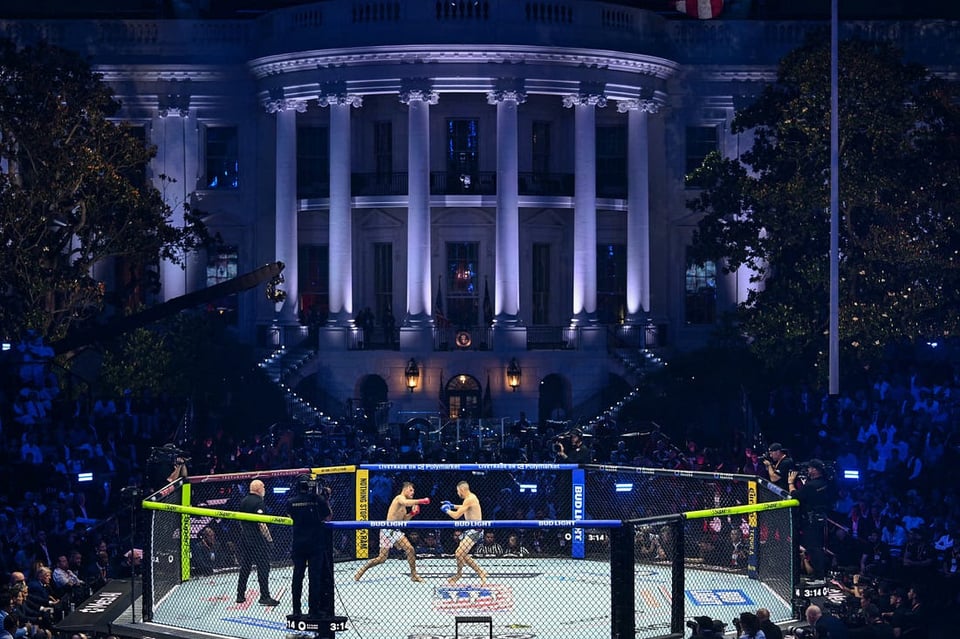
The vulgarity of the Trumpian elite isn’t in itself that important. But it’s a symptom of a collapse in values and norms that, unless confronted and reversed, may herald the end of the American experiment. We should heed the words of the Stoic philosopher Seneca about the rise and fall of the Roman Republic: “Increases are of sluggish growth, but the way to ruin is rapid.” (Substack)
Here are samples of other recent wins.
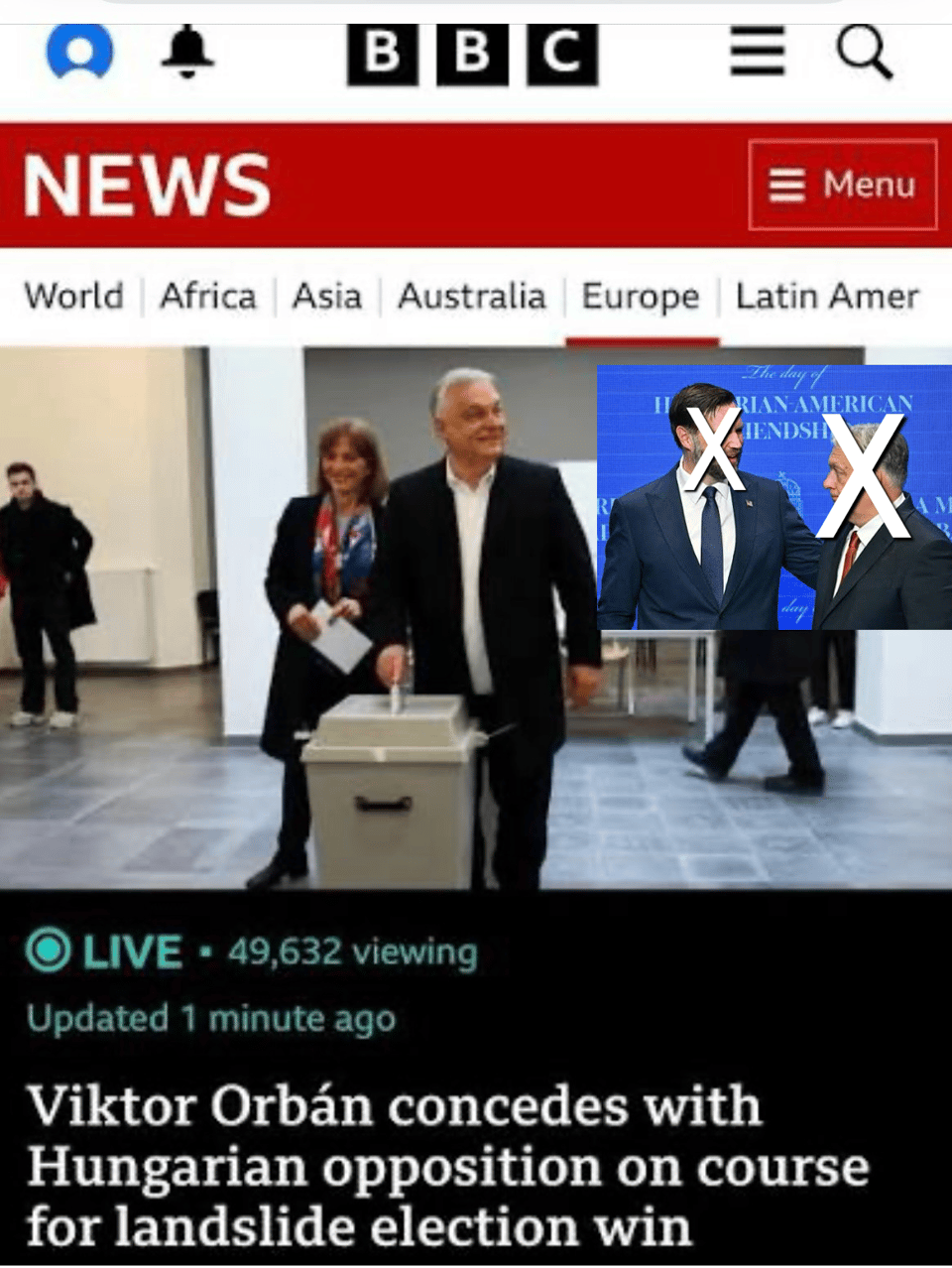
Headline Featured on the New York Times. 👇
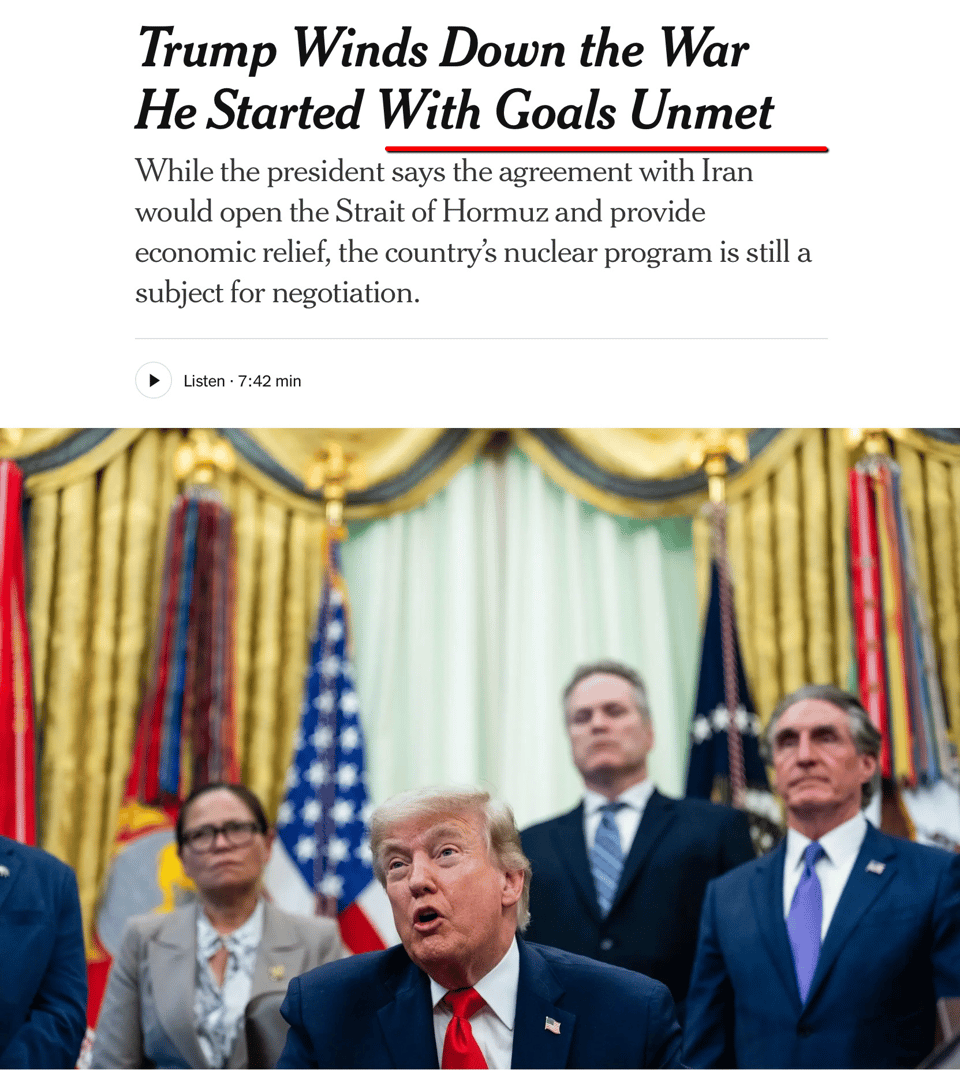
Headline Featured on the New York Times. 👇
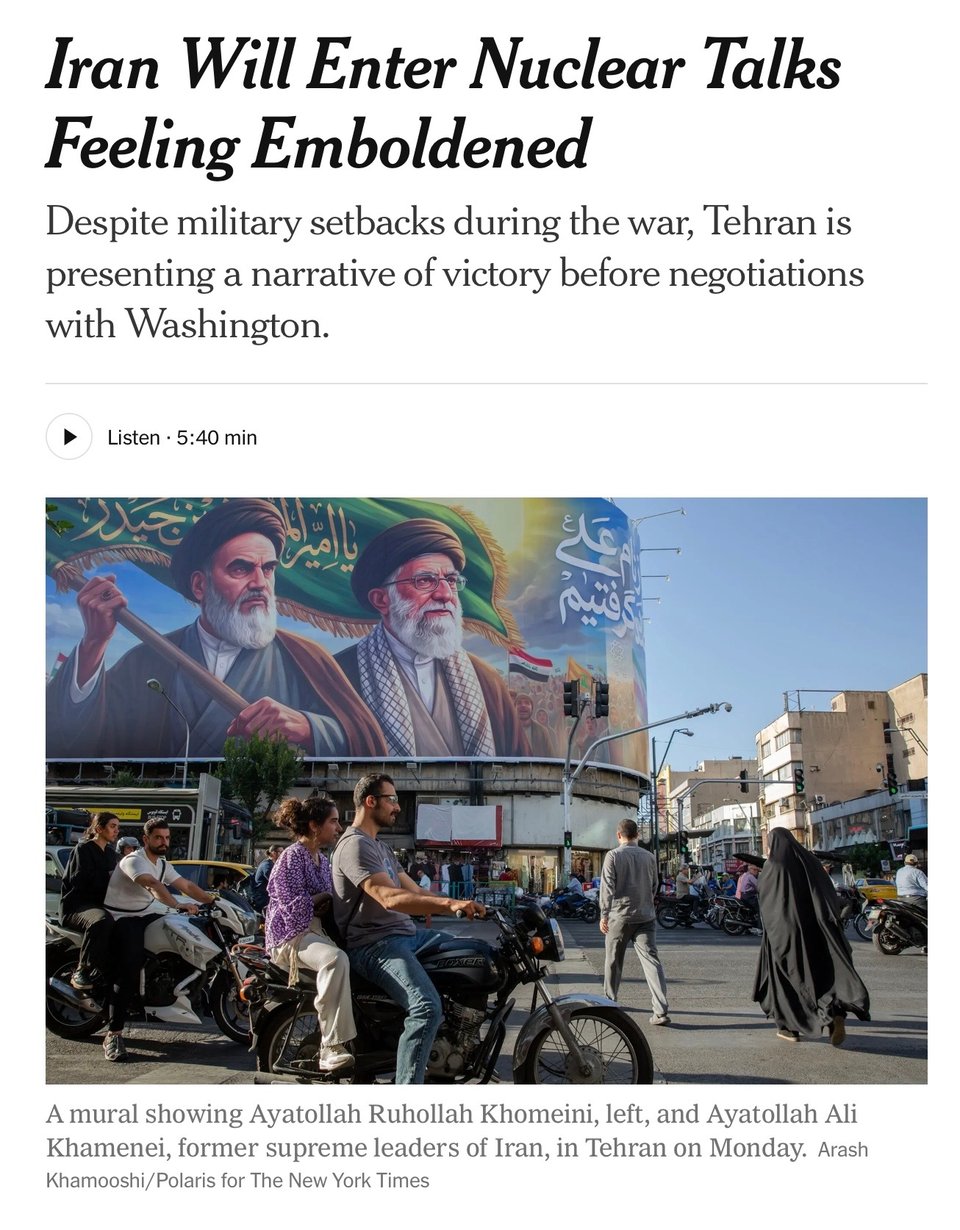
Then this.👇
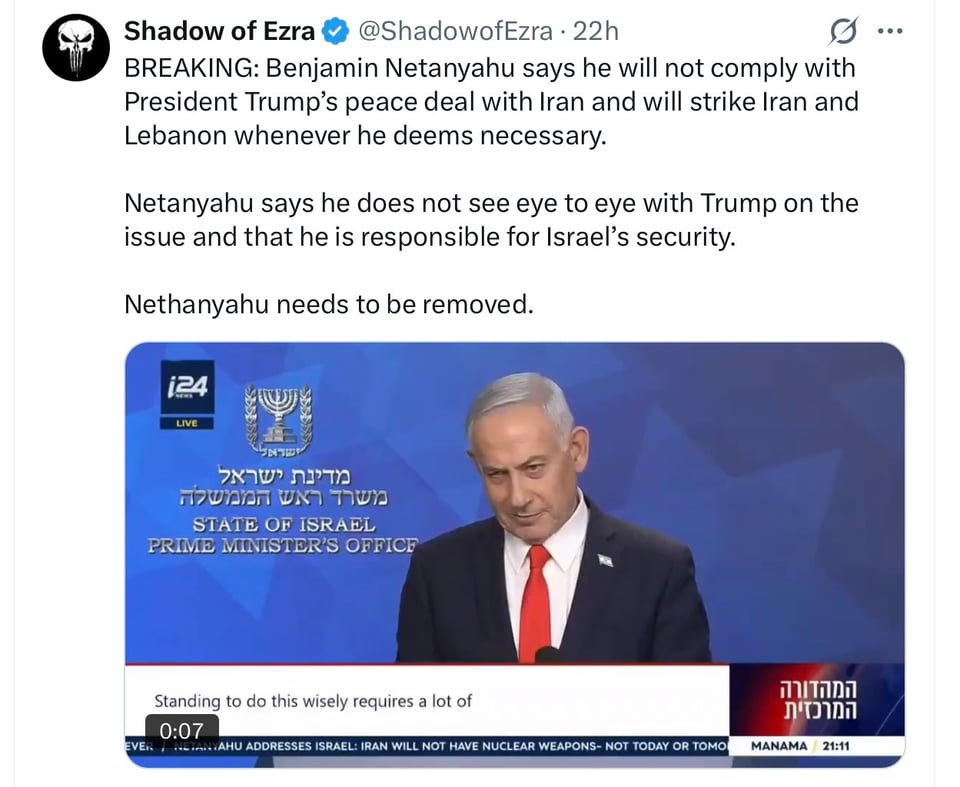
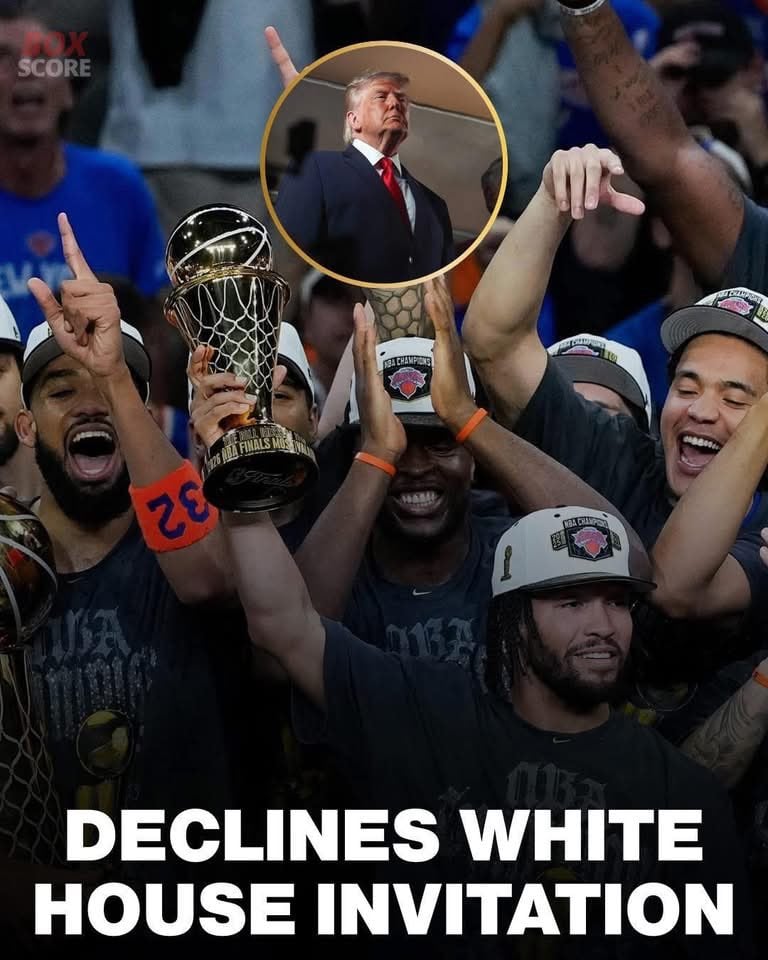
The War and Peace Trump lost.
The 8 Unresolved Questions in Trump's Iran deal.
The U.S.-Iran deal was signed electronically on Sunday by President Trump, Vice President JD Vance and Iranian parliamentary speaker Mohammad Bagher Ghalibaf, senior administration officials told reporters on Monday.
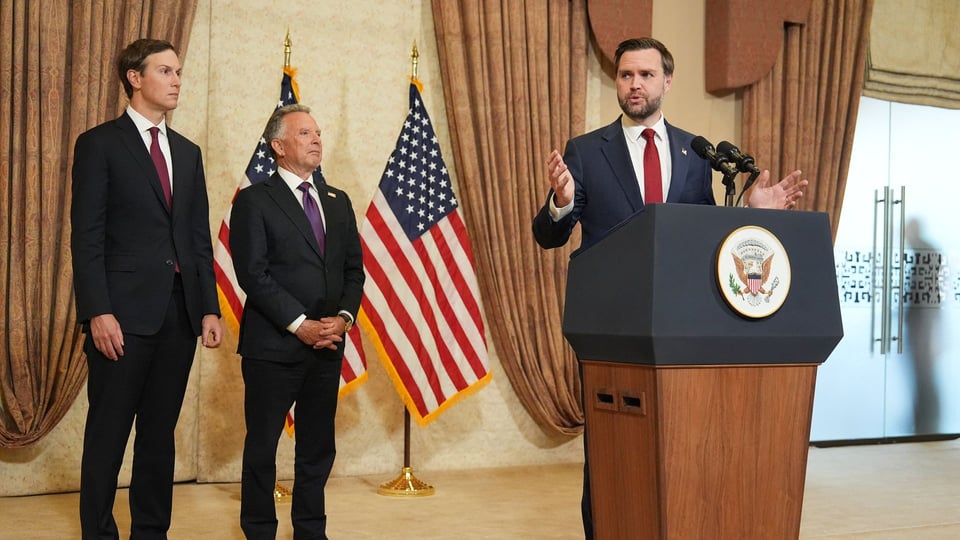
Jared Kushner, Steve Witkoff and Vice President JD Vance in Islamabad in April for negotiations with Iran. Photo: Jacquelyn Martin/AFP via Getty.
Why it matters: The deal is already testing whether Washington and Tehran can turn a battlefield pause into a broader settlement — starting with the Strait of Hormuz and then moving to the far thornier question of Iran's nuclear program.
State of play: A 60-day ceasefire extension is in effect, U.S. officials say, including in Lebanon. But the Strait of Hormuz is not expected to begin reopening until after a formal signing ceremony Friday in Geneva.
Vance, U.S. envoys Steve Witkoff and Jared Kushner, Ghalibaf, and Iranian Foreign Minister Abbas Araghchi are expected to meet Friday with Pakistani and Qatari mediators to discuss the next phase.
U.S. officials say the full text of the memorandum of understanding will be released in the next 24–48 hours, though Trump said it might not be published until after it's signed.
The big picture: Washington and Tehran are racing to shape the narrative around a deal that few people have actually read, but which markets, world leaders and ordinary citizens are already reacting to.
The U.S. says relief for Iran will be tied to performance. Iranian state media has described a more generous package.
Shipping companies say they're waiting for clearer guarantees from Tehran before sending cargo through the Strait of Hormuz.
Hawks in Washington and Israel are pressing the White House to explain exactly what Iran is getting — and what happens if nuclear talks fail.
Breaking it down: Here are eight key questions that are still swirling around the deal.
- Is the deal actually in effect?
The MOU was signed electronically on Sunday, with a more formal signing ceremony to be held on Friday in Switzerland.
The 60-day extension of the ceasefire took immediate effect, but the strait is not yet fully open.
While Trump announced the "immediate" lifting of the U.S. blockade and opening of the strait on Sunday, he later said it would open on Friday once the ceremony takes place.
A U.S. defense official said the military was ordered to prepare to lift the blockade Friday.
Trump claimed Monday that ships were already moving, though Iranian state media said the status of the strait was unchanged.
- Will the strait be truly open?
The U.S. side has consistently said the deal would open the strait without tolls or any other restrictions.
A regional diplomat involved in the mediation told Axios last week that the deal called for shipping volumes through the strait to return to prewar levels within 30 days.
But Iranian officials have told state media the strait won't simply return to "pre-war status," and that Iran will retain some level of control.
The Fars news agency reported that Iran had agreed not to impose tolls during the 60 days, but would begin charging safety and environmental fees after that.
The intrigue: A senior administration official said there would be a "regional dialogue" on the future of the strait and how to ensure it will never be closed again.
State of play: Shipping companies are moving cautiously.
Maersk and others have said they're waiting for more clarity and guarantees of safety, and some analysts doubt volumes will actually return to the pre-war norm anytime soon.
A senior administration official told reporters the U.S. expects volumes to increase significantly over the next two weeks, though probably not to return to normal.
"Some crews want to see a little bit more stability for the next couple of days, maybe the next couple of weeks," the official said.
- What does Iran get?
Both sides agree that Iran gets two big things: an end to the fighting and sanctions waivers to allow oil exports.
That alone would generate much-needed revenue for Tehran, but Iranian state media has claimed the government is also getting billions of dollars in frozen funds just for signing.
A senior U.S. official adamantly denied that, saying Iran would only get access to those funds based on a "pay for performance model." The full economic benefits of the deal, the U.S. side says, depend on signing a more detailed nuclear accord.
Some skeptics of the deal have raised concerns there might be side agreements that give Iran access to cash immediately, though the White House calls that "misinformation."
Yes, but: The senior administration official said the U.S. was prepared to make some "small gestures" early in the process on frozen funds and sanctions relief if Iran made similar "gestures" reflecting their willingness to comply with the deal.
- Do they agree on what's been agreed?
The U.S. and Iran are offering conflicting accounts of what the deal requires — and what each side gets in return.
That's in part because the negotiations were handled largely indirectly, through mediators, and the MOU is a broad political understanding rather than a detailed treaty.
That could leave enough ambiguity for both sides to claim they got what they needed, even if they have different expectations about what happens next.
"I am somewhat concerned that Iran's view of the agreement seems different than what the American negotiating team is claiming," said Sen. Lindsey Graham (R-S.C.), a hawkish Trump ally.
One of the senior administration officials claimed the discrepancies were actually due to Iran overselling the deal for domestic consumption.
- Will we see the text?
Much of this confusion could be cleared up if the parties or the mediators simply published the full text of the MOU.
In the Monday briefing, a senior administration official said that would happen in the next 24–48 hours. Trump said it might not happen until after Friday.
6. Will Israel comply?
The agreement is receiving criticism from across the political spectrum in Israel, less than four months before an election. That's in part because it requires Israel to observe a ceasefire in Lebanon.
Israeli Defense Minister Israel Katz has said Israel will not withdraw from the parts of southern Lebanon it occupies or give up its ability to respond to Hezbollah attacks. If Iran strikes Israel over the war in Lebanon, Katz said, Israel will hit Iran "with full force."
A senior U.S. official said the deal does not require an Israeli withdrawal and would not create a "one-way ceasefire," meaning Israel could respond if Hezbollah attacks.
But Israeli officials worry their freedom to operate in Lebanon will be sharply curtailed.
After an Israeli strike in Beirut on Sunday nearly derailed the deal, Trump told Axios that Prime Minister Benjamin Netanyahu had "no fucking judgment."
Trump said Monday that he hopes to "solve" the situation in Lebanon and that "we'll have to have a little chat with Hezbollah about this."
- Will there ever be a nuclear deal?
The MOU is designed to launch 60 days of nuclear negotiations.
All of the nuclear elements of the deal are dependent on a much more technical final agreement, as is the bulk of the sanctions relief Iran hopes to receive.
U.S. officials acknowledge it will be very difficult to achieve such a deal, given the mutual distrust and how difficult it was to get the much less detailed MOU.
Witkoff and Kushner traveled to Oak Ridge, Tennessee, earlier this month to meet with nuclear experts who would play a role in such negotiations.
What's next: Pakistani Prime Minister Shehbaz Sharif, one of the mediators, said there would be meetings "this week" to set the stage for nuclear negotiations.
- Will the war resume without a nuclear deal?
U.S. officials say they will not withdraw the forces sent to the region unless there is a nuclear deal.
One official argued that the damage imposed on Iran increased the chances of a deal, and said Trump still has "tools in his arsenal" if diplomacy fails.
Iranian officials, meanwhile, claim Trump was desperate to end the war and that Tehran now has the leverage.
What to watch: "I think we'll know over the next two to three weeks whether those understandings will turn into an actual agreement," a senior administration official told reporters.
What they're saying: In response to these questions and to criticism of the deal from hawks, a senior administration official told Axios that Trump said from the outset that his goals were to prevent Iran from obtaining a nuclear weapon or keeping its highly enriched uranium.
"This deal accomplishes both objectives, and the United States, our allies, and our troops in the region will be safer as a result." (Axios)
Happening this morning.
The Obama Library opens on Friday. On Juneteenth.
From the Daily Beast.
The grand opening ceremony on Thursday kicks off a series of events at the center in Chicago’s South Side, which will continue into the weekend.
Obama Foundation CEO Valerie Jarrett claimed the grand opening, with its music lineup, will be unlike any other.
“The Grand Opening Ceremony will reflect a spirit of inspiration and joy, with a big boost from the performers who are sharing their talent with us. We hope to inspire people everywhere to believe in their power to bring change home,” Jarrett said in a statement.
The Obama Foundation announced a star-studded lineup for the opening of the Obama Presidential Center on Thursday, just days after President Donald Trump failed to attract A-listers to his UFC fight at the White House.
Among those taking part in the June 18 opening ceremony are at least a dozen artists, including Grammy, Oscar, Emmy, Tony, and Golden Globe winners as well as Hall of Famers ranging from Stevie Wonder and Bruce Springsteen to U2’s Bono and The Edge.
The Roots, Christina Aguilera, Jennifer Hudson, John Legend, Eddie Vedder from Pearl Jam, Marc Anthony, Common, Tems, and actress Marsai Martin are also on the list of those set to attend.
It’s a stark reminder that former President Barack Obama, with his historic presidency, can still draw a starry crowd more than 10 years after he left office.
You may have heard that an elephant peed at the GOP Convention in Texas.
Here is the whole story.
Celebrating in the U.K.
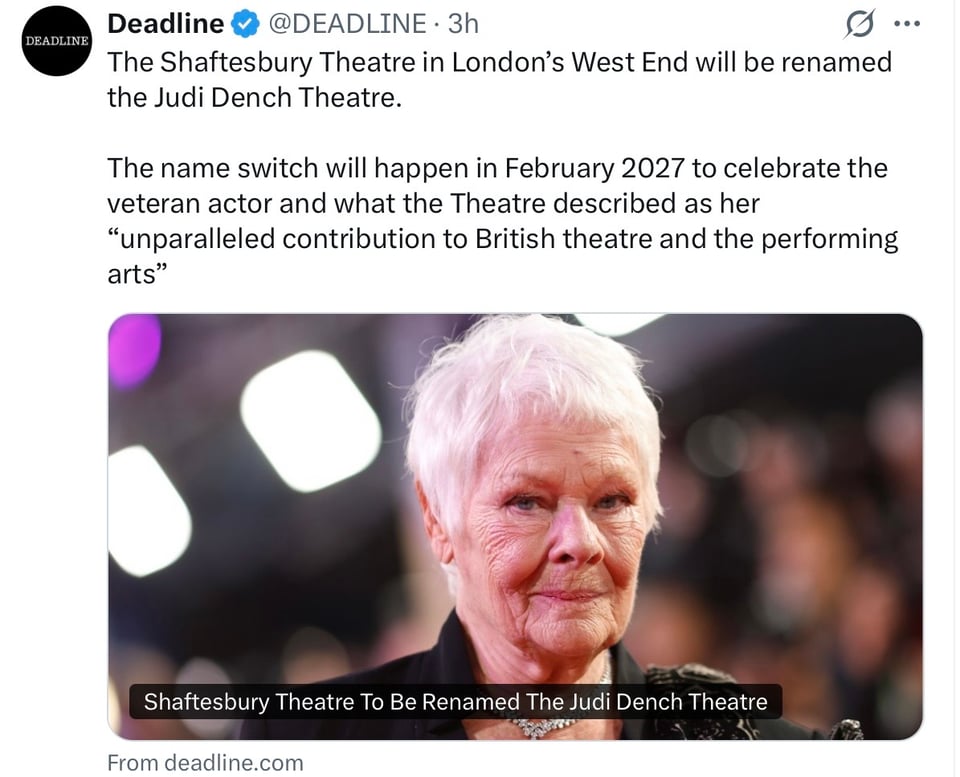
Celebrating the real 250 year anniversary of the United States.
Don't let Trump's pseudo celebrations get you down. There are enough real celebrations!