Thursday, March 26, 2026. Annette’s Roundup for Democracy.
Trump’s Justice Department sues. Harvard fights back.
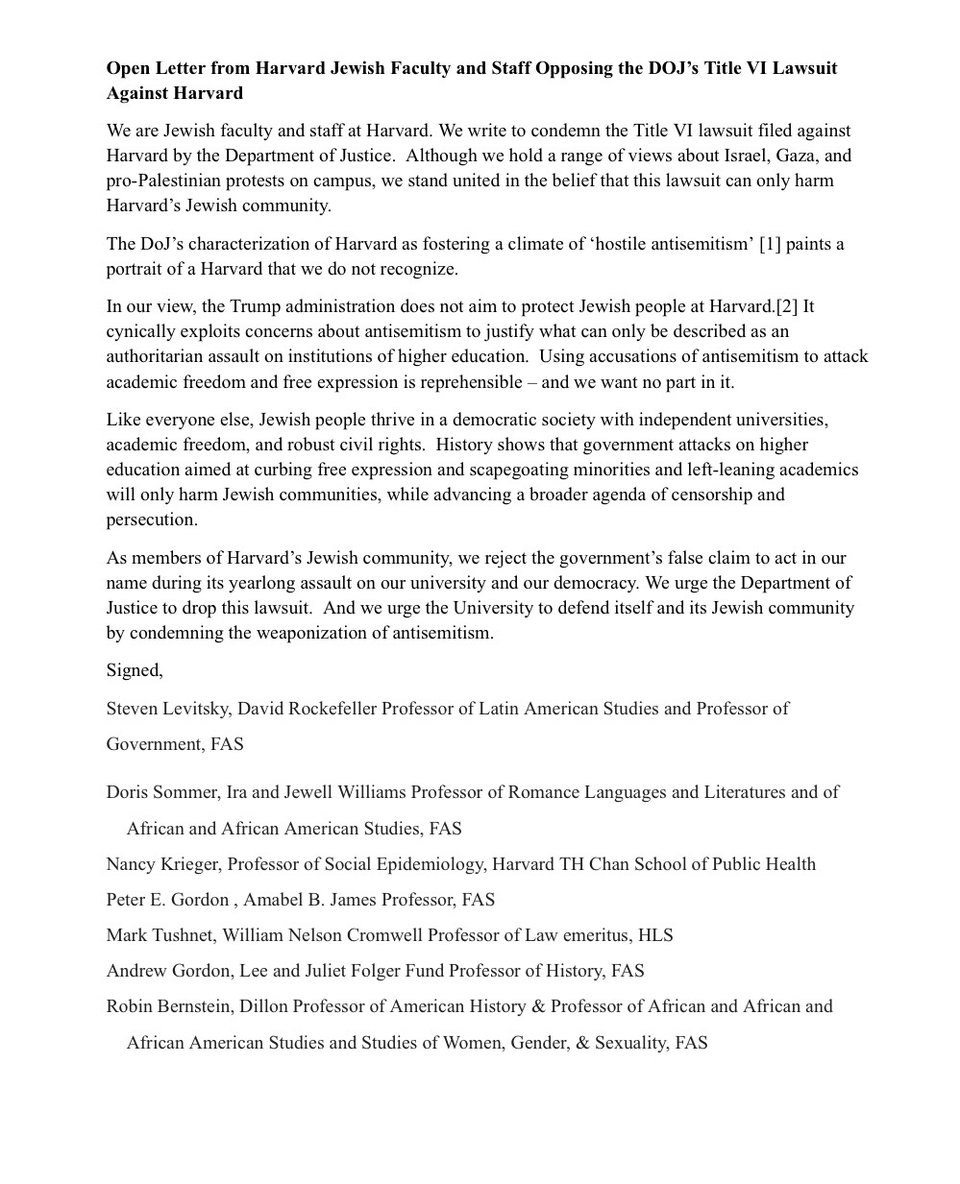
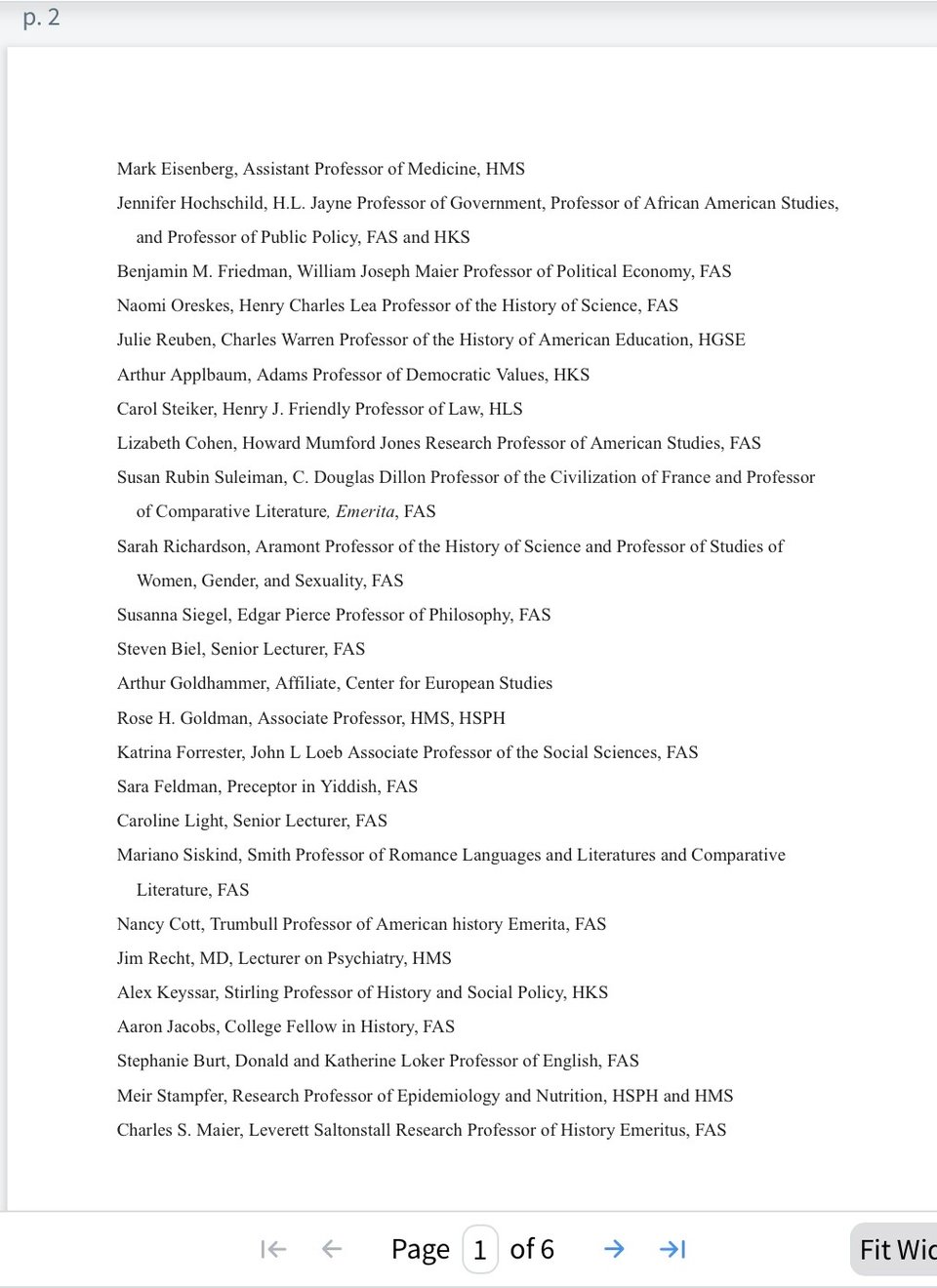
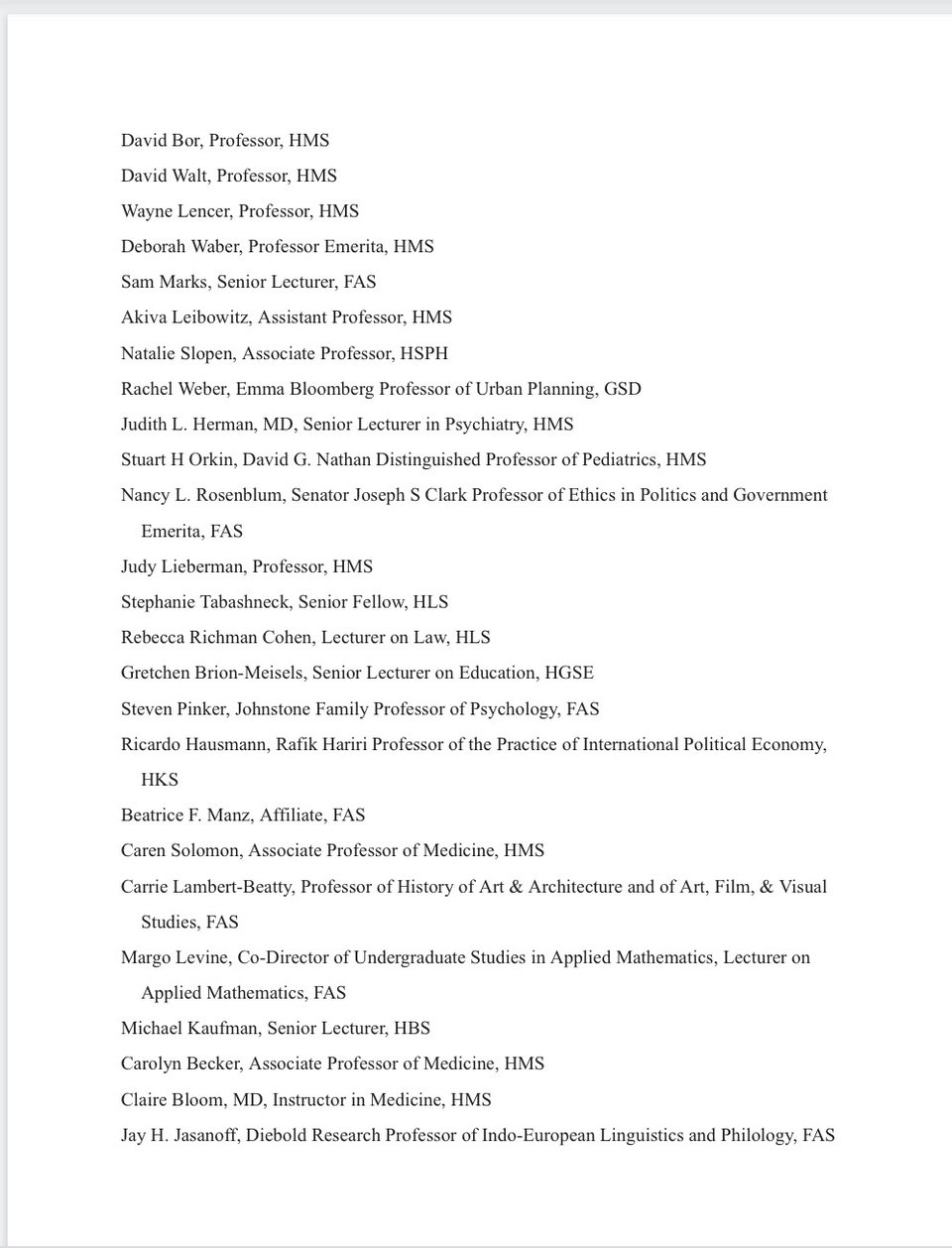
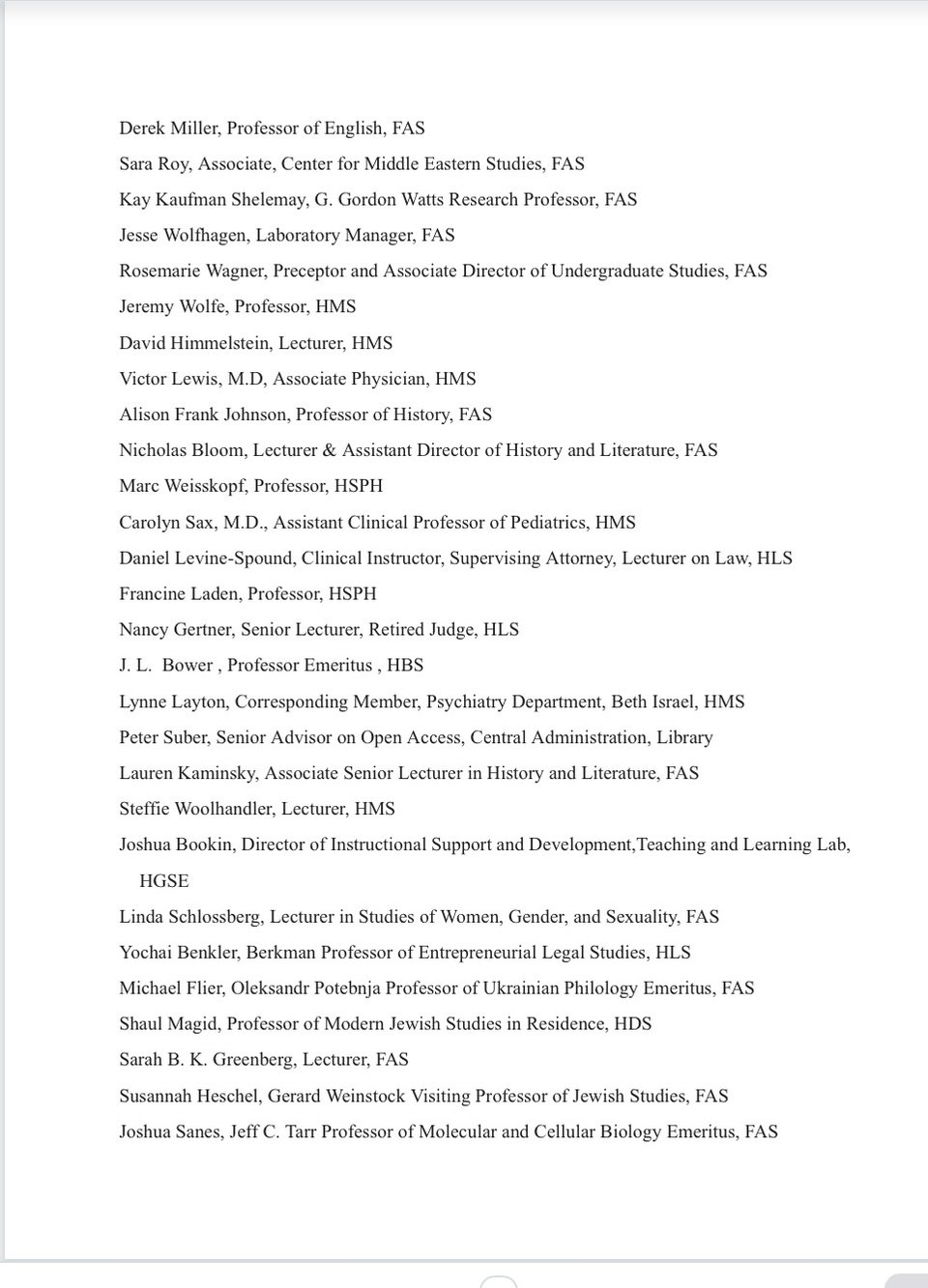
120 Harvard Jewish Affiliates Condemn Justice Department Antisemitism Lawsuit
120 Jewish affiliates at Harvard signed an open letter denouncing the U.S. Department of Justice’s latest lawsuit against the University, accusing the Trump administration of weaponizing antisemitism complaints to curb free speech.
The letter — signed by more than 100 faculty and staff across the Faculty of Arts and Sciences and Harvard’s graduate schools — comes days after the Justice Department filed a sweeping complaint alleging the University violated civil rights law by remaining “deliberately indifferent” to antisemitic and anti-Israeli conduct following Hamas’ Oct. 7, 2023 attacks.
Faculty and staff signatories urged the DOJ to drop the case and called on Harvard to condemn it — arguing it “cynically exploits concerns about antisemitism to justify what can only be described as an authoritarian assault on institutions of higher education.”
“Using accusations of antisemitism to attack academic freedom and free expression is reprehensible – and we want no part in it,” the letter reads.
The statement marks a rare show of unity among faculty who have often clashed over Harvard’s response to antisemitism complaints and campus protests — spanning those who supported negotiations with pro-Palestine protesters and those who opposed them and pushed to end the spring 2024 encampment.
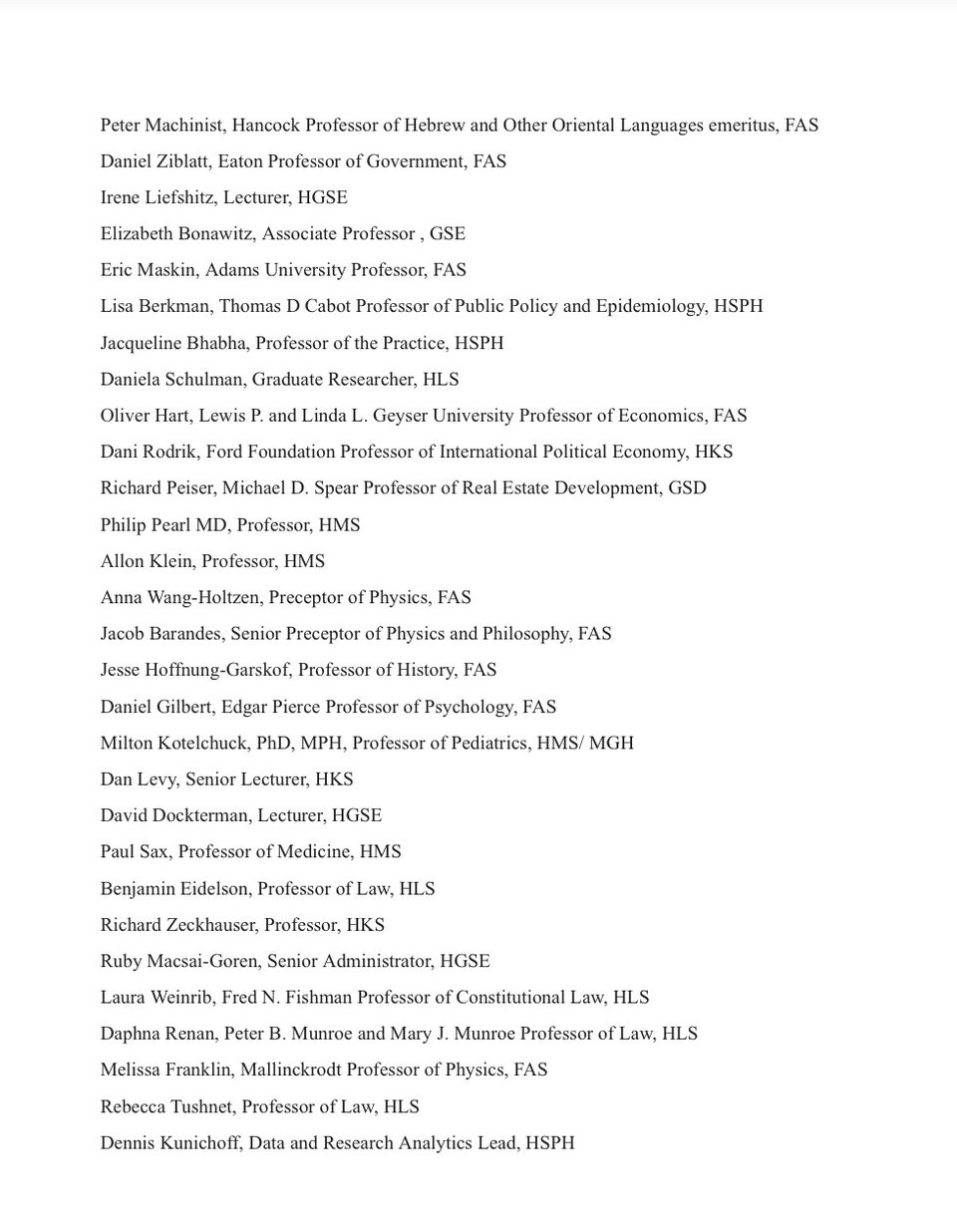
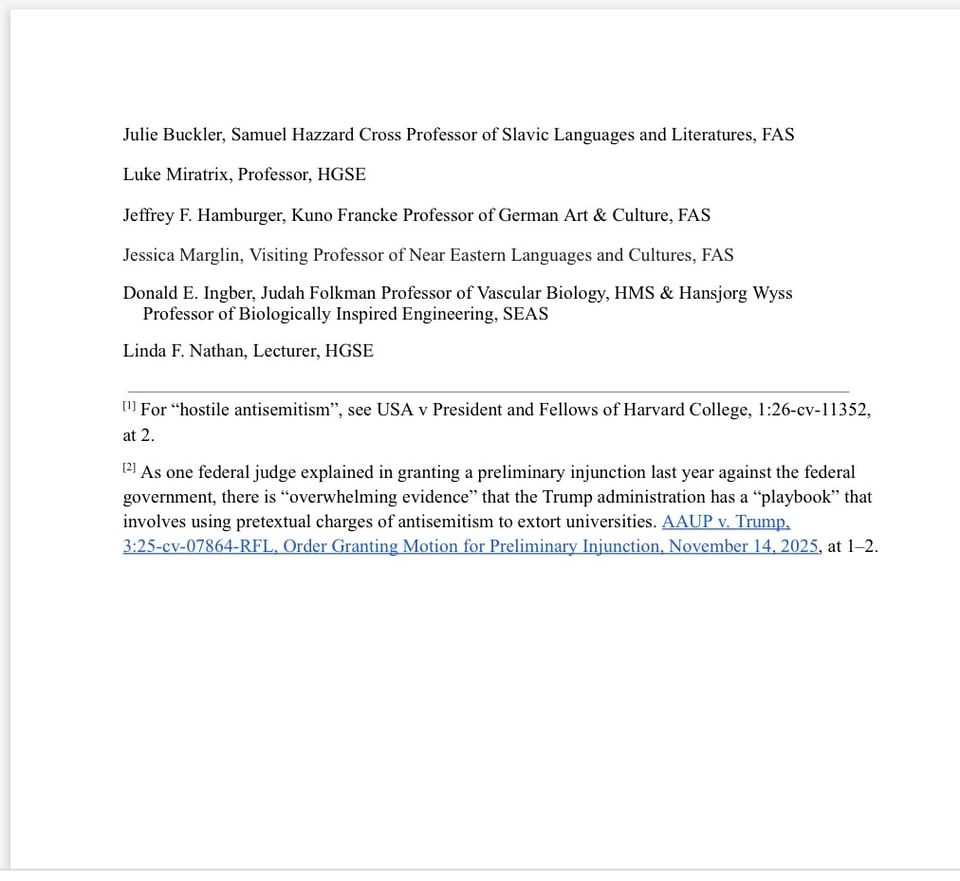
Government professor Steven R. Levitsky, who led the effort, said he expected support across the political spectrum and hoped the letter would clarify how many Jewish faculty view the lawsuit.
“There are a lot of members of the Jewish community here at Harvard, again, of diverse political and ideological backgrounds, who think this is a sham,” he said. “Who think that we are being used by the Trump administration to attack Harvard in a way that hurts our democracy, that hurts academic freedom, that hurts free expression.”
Filed Friday, the lawsuit accuses Harvard of unevenly enforcing disciplinary rules during campus protests, allowing violations to go largely unpunished. It asked the court to cut off future federal funding and claw back nearly $1 billion in grants.
The lawsuit follows a year of escalating conflict between Harvard and the White House, which has frozen billions in research funding and launched multiple investigations into the University. Harvard settled two separate lawsuits last year alleging it failed to protect Jewish students.
Some faculty disputed the government’s characterization of campus conditions.
English professor Stephanie L. Burt ’94 said she had not personally observed systemic antisemitism at Harvard.
“I have the good fortune to be, I hope, nailed to the floor here, and I like it here, and I’ve been well treated, and I’ve been here for a while,” Burt said. “I have really not seen anything that looks like institutional or mass prejudice against Jews.”
English professor Derek Miller, another signatory, wrote in a statement that while Harvard erred in its management of the Oct. 7 fallout, the lawsuit offered no meaningful remedy.
“Harvard made many mistakes at a challenging moment. We need to get better at handling sharp disagreements over emotional topics, including anti-semitism, Islamophobia, and the politics of the Middle East,” he wrote. “But this lawsuit is not about making us a better university.”
Faculty have repeatedly pushed back on federal intervention. In March 2025, dozens of Jewish faculty signed a letter accusing the administration of using “Jews as a shield” to justify restrictions on campus speech following the arrest of Columbia University student Mahmoud Khalil.
Government professor Jennifer L. Hochschild, who also signed the letter, described the lawsuit as a political maneuver by U.S. President Donald Trump to redirect public attention.
“He needs something to rally the troops — not literally the troops, not the military — to rally his supporters,” she said. “And, you know, bashing Harvard is pretty failsafe.” (The Harvard Crimson, Staff writer Abigail S. Gerstein)
@ 8 Democratic Women Governors.
1.    Kathy Hochul — New York
2.  Maura Healey — Massachusetts
3.  Tina Kotek — Oregon
4.  Gretchen Whitmer — Michigan
5.  Laura Kelly — Kansas
6.  Michelle Lujan Grisham — New Mexico
7.  Janet Mills — Maine
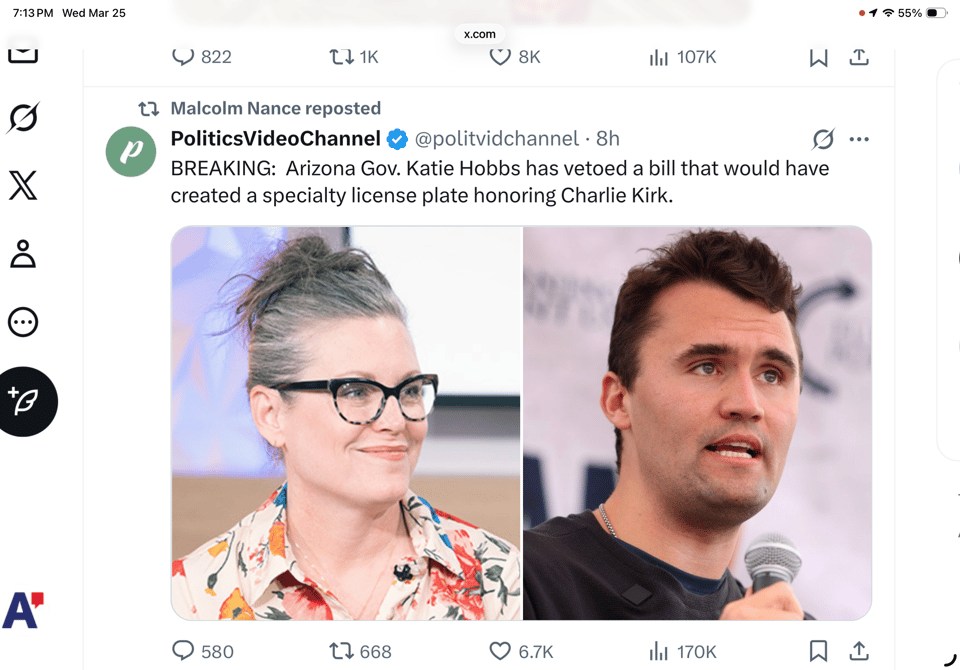
8.  Katie Hobbs — Arizona
Here are some at work.👇
One more thing.
Yesterday.
Yesterday, something good and something shameful happened at the United Nations.
THe UK, France and other European countries abstained.
Yesterday, Dame Sarah Mullally became the first woman to serve as Archbishop of Canterbury, primate of the Church of England.
Last month, His Majesty received Dame Sarah at Buckingham Palace, where she paid homage to him as Supreme Governor of the Church of England.

