Thursday, March 19, 2026. Annette’s Roundup for Democracy.
Should Markwayne Mullin be confirmed as the head of the Department of Homeland Security?
This happened yesterday.
Mullin presents himself as a different kind of DHS secretary during tense confirmation hearing.
Mullin presents himself as a different kind of DHS secretary during tense confirmation hearing.
“My goal at six months is that we’re not in the lead story every single day,” Mullin told senators.
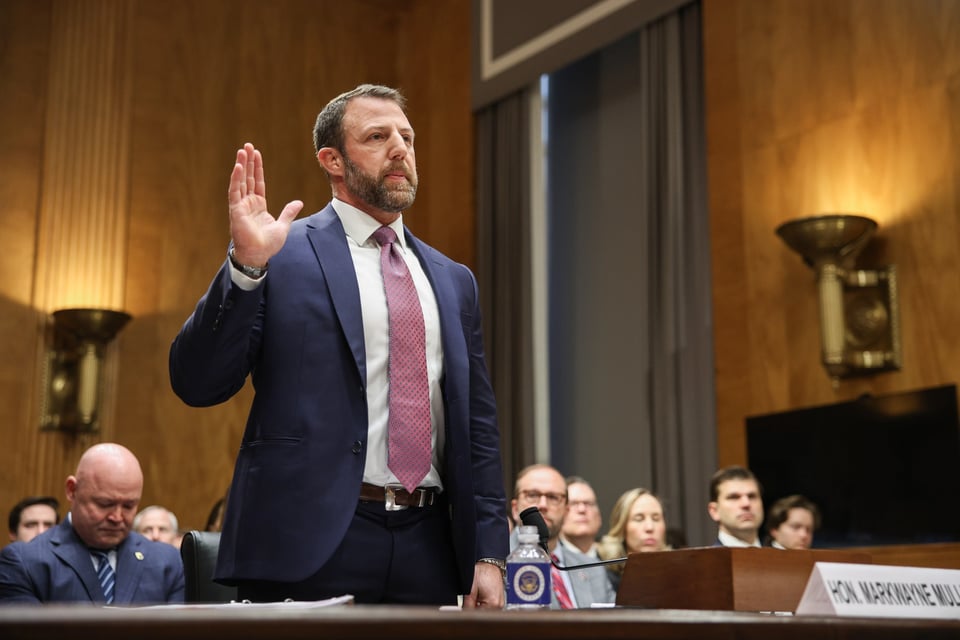
Sen. Markwayne Mullin (R-Okla.), nominee for Homeland Security Secretary, is sworn in to testify during his confirmation hearing before the Senate Homeland Security and Government Affairs Committee on Capitol Hill in Washington, on March 18, 2026.| Francis Chung/POLITICO
Sen. Markwayne Mullin, President Donald Trump’s pick to replace Kristi Noem as Homeland Security secretary, stressed Wednesday to his colleagues on the Senate Homeland Security Committee that he’ll be a different type of leader of the embattled department.
Amid a flurry of pointed questions and critiques of his views and past statements from both sides of the aisle, the Oklahoma Republican stressed at his confirmation hearing that he planned to make changes at the department, including requiring immigration officers to have court-ordered warrants to enter homes.
Mullin was careful not to directly criticize Noem, but said he would work “every single day to not just secure our homeland, but bring peace of mind and confidence to the agency.” He added: “My goal at six months is that we’re not in the lead story every single day. My goal is for people to understand we’re out there. We’re protecting them.”
Noem had become a lightning rod figure for the Trump administration in recent months, accused of prioritizing optics and inflammatory messaging as she implemented a sweeping crackdown on unauthorized immigration. Trump reassigned her to a job focused on security in the Western Hemisphere earlier this month, after she claimed the president approved an expensive advertising campaign critics said served to boost her profile.
Mullin is widely expected to be confirmed, but going into the hearing, both Republicans and Democrats were looking for assurances that he would provide a steadier type of leadership to DHS. Public confidence in the department is at record lows in the wake of a sweeping immigration crackdown which voters have said in polls has gone too far. The department has also been under a shutdown for more than four weeks amid an impasse between Senate Democrats and the White House over potential changes to how the agency enforces immigration laws.
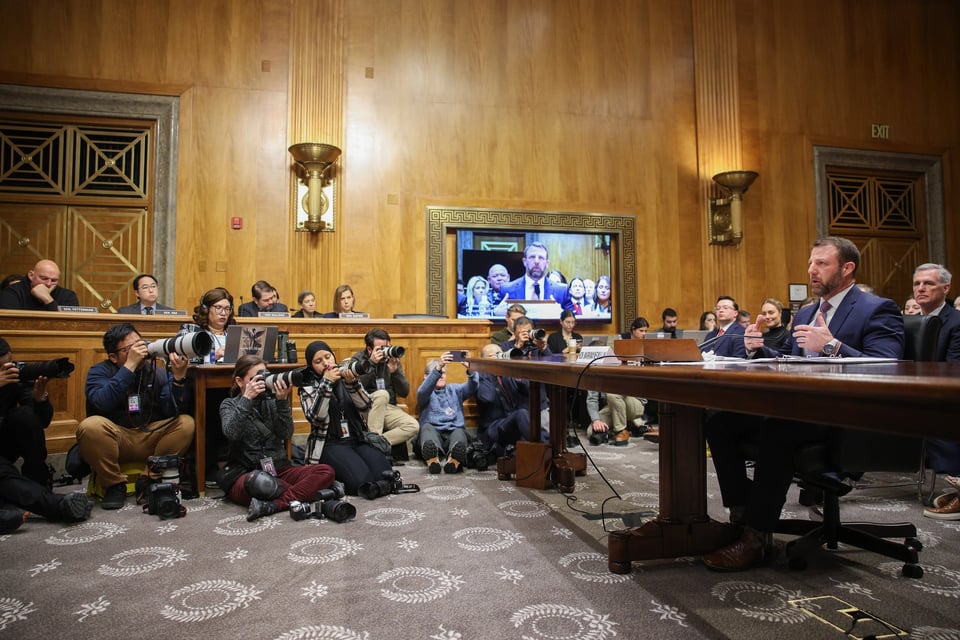
Amid a flurry of pointed questions and critiques of his views and past statements from both sides of the aisle, Mullin stressed at his confirmation hearing that he planned to make changes at DHS. | Francis Chung/POLITICO
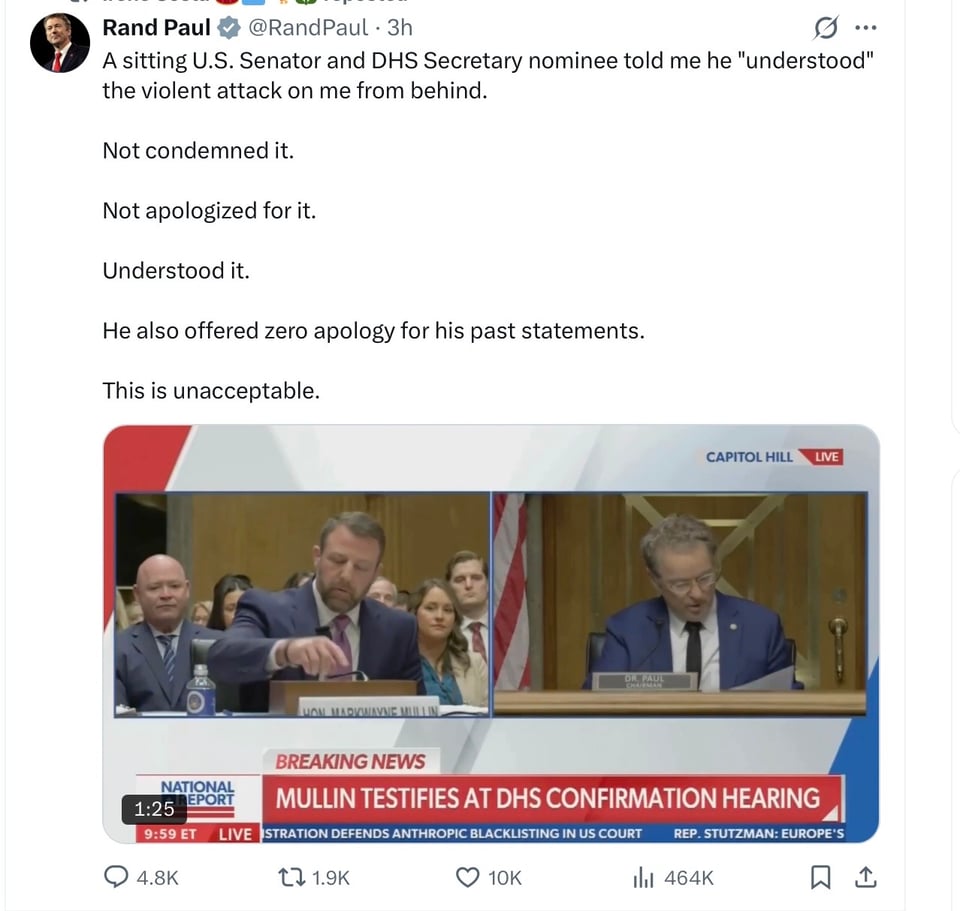
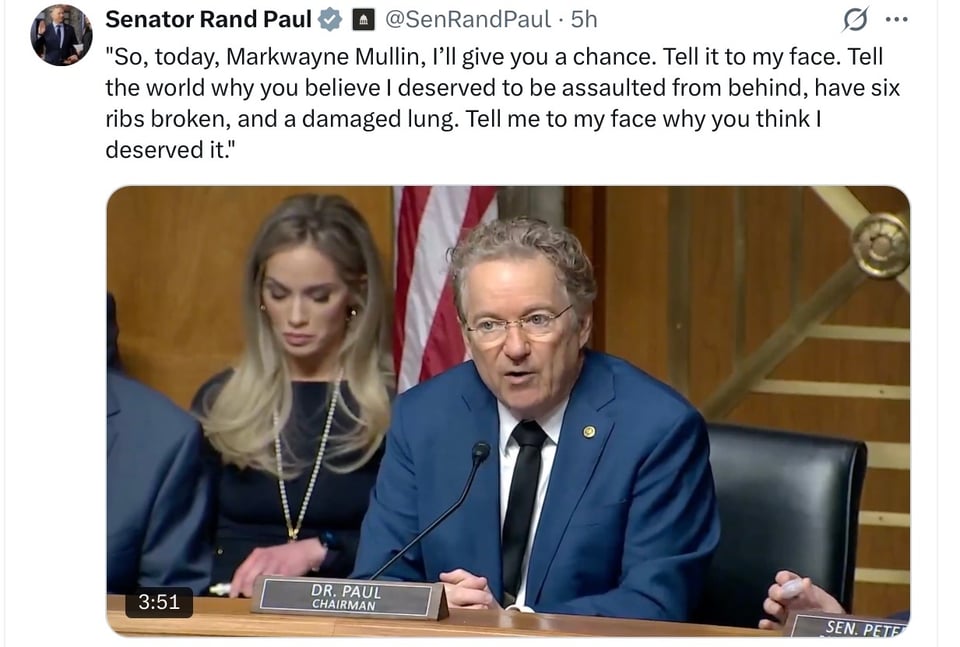
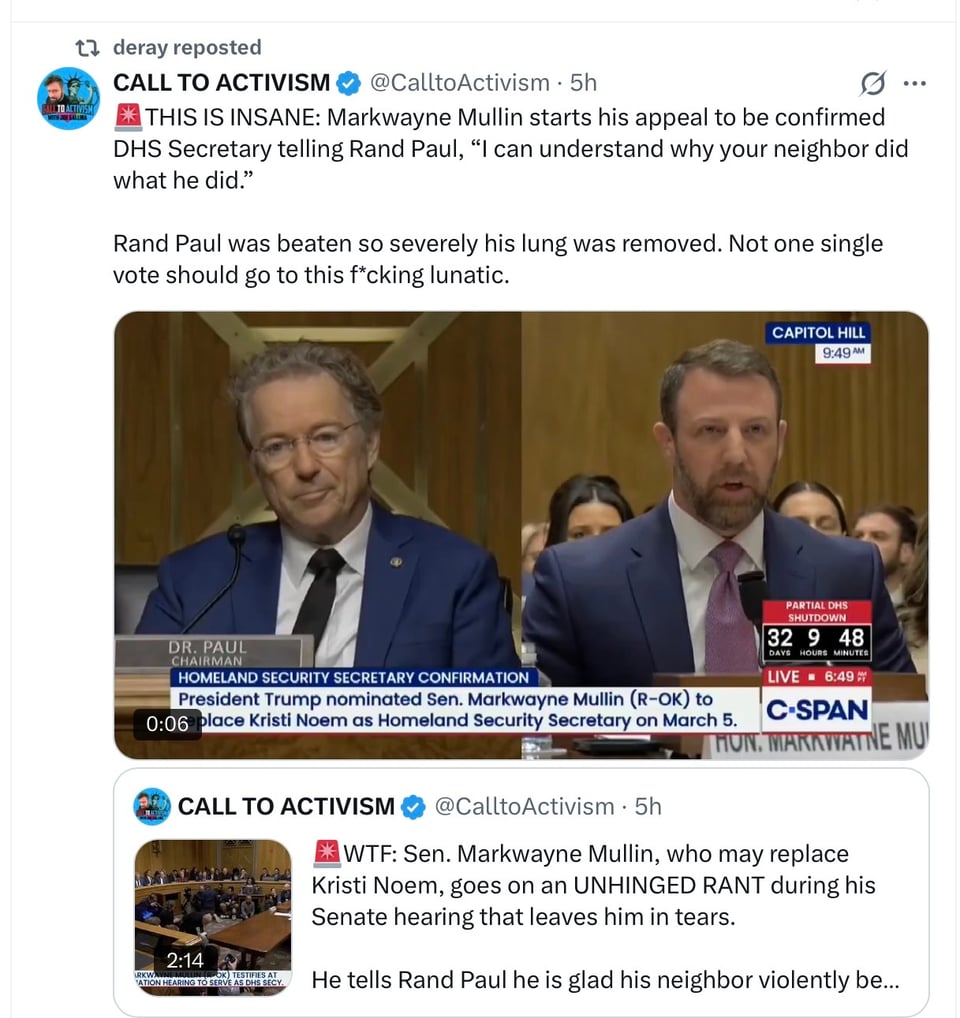
Many Democrats, and at least a few in Mullin’s own party, were not convinced he was the right person to rescue the agency. In a combative exchange with Mullin, Senate Homeland Security Chair Rand Paul upbraided him for earlier comments calling the Kentucky Republican a “snake” and saying he understood why one of Paul’s neighbors attacked him in 2017.
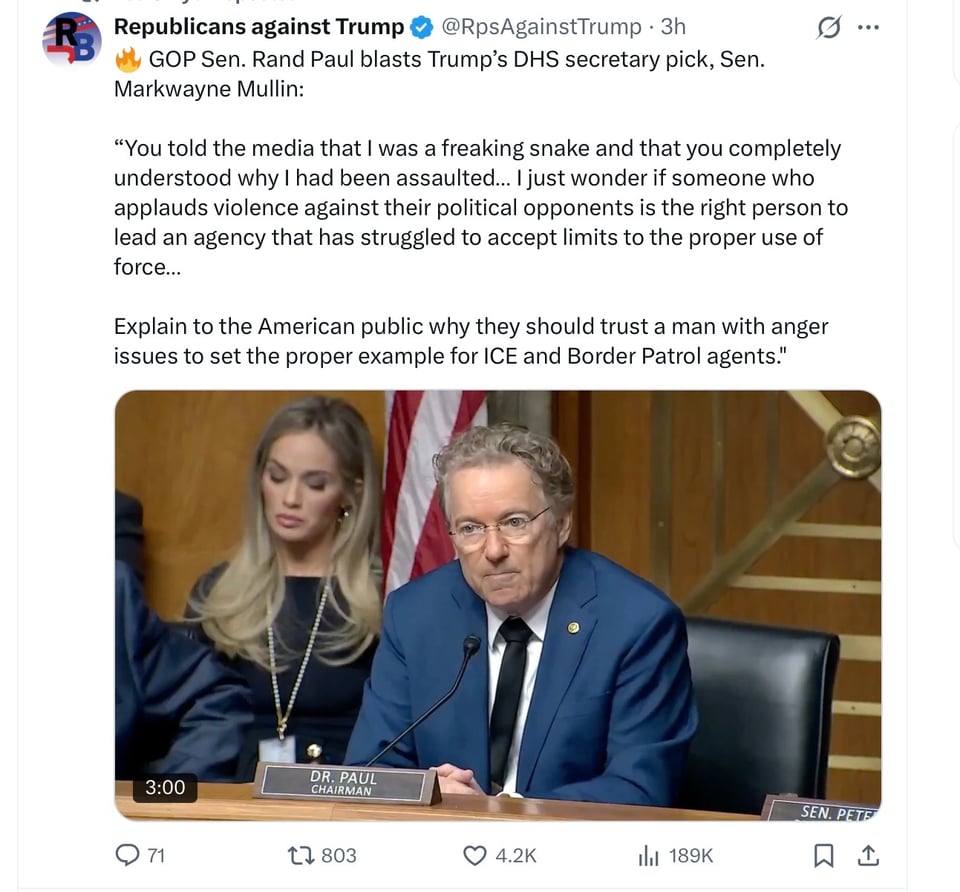
“Explain to the American public why they should trust a man with anger issues to” lead the Department of Homeland Security, Paul said.
Nevertheless, Republican leadership voiced confidence that Mullin was a lock for the job. Asked about the tensions between Paul and Mullin, Senate Majority Leader John Thune insisted Mullin is still the right man to lead DHS.
Given the widespread support of the GOP, it was notable the extent of changes Mullins pledged to institute. It was a clear effort to turn the page from Noem, who received bipartisan criticism for hobbling a critical department with her management style.
Markedly, Mullin said he’d cooperate with an ongoing inspector general probe that Noem is accused of obstructing.
He also indicated he will reverse a controversial administration decision allowing ICE agents to enter homes with an administrative warrant, which is not signed by a judge, leaving that for only extremely exigent circumstances. The White House did not respond to a request for comment about whether Mullin’s statements are aligned with their negotiating position; the issue has been a major sticking point for Senate Democrats in funding talks with the Trump administration.
And Mullin said he’d end a much-criticized policy Noem implemented in which the disbursement of grants above $100,000 required personal approval from the secretary, calling that “micromanagement.”
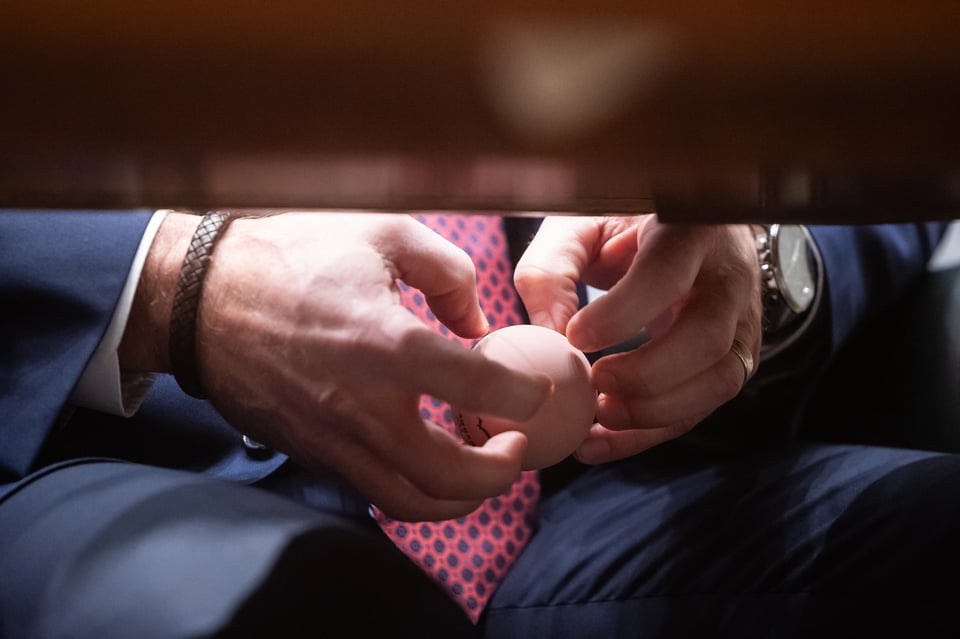
Mullin holds a Sky Bounce ball under the witness table during the hearing. | Francis Chung/POLITICO
Mullin repeatedly emphasized he would “empower” agency heads that report to him, indicating he’ll defer to the operational judgment of leaders at ICE and Customs and Border Protection — a contrast to Noem, who elevated lieutenants at Border Patrol who favored flashy tactics.
One issue from Mullin’s past did have Paul briefly threatening to cancel a scheduled committee vote on Thursday on Mullin’s nomination: his refusal to give details of what he has previously described as “special missions” he conducted around the world.
Sen. Gary Peters of Michigan, the top Democrat on the Senate Homeland Security Committee, voiced his frustrations with Mullin’s lack of “candor” in discussing these trips and urged Mullin to provide the committee details in a classified setting about that work.
Paul backed up Peters, saying the FBI investigation’s findings contradicted those claims and that there were no documents in his file about any classified activities.
Mullin declined to get into details, saying “it was a special program inside the House” and “only four people read into it.” He said it was for “fact-finding” purposes and pledged he’d talk to senators on the committee about it in a secure facility.
Mullin spoke to members of the Homeland Security Committee inside a Senate secure facility on Wednesday. Members declined to give very many specifics about the “missions,” but some gave more insights into the dispute.
Sen. James Lankford (R-Okla.), one of Mullin’s boosters, said it pertained to a “whistleblower” and that Mullin was subject to a “nondisclosure agreement.” He also insisted Democrats were blowing the issue out of proportion.
Democratic Sen. Richard Blumenthal of Connecticut said that the matter was still “weird.”
“My personal impression is there is no need for. this exchange to be classified,” Blumenthal said. “And why it was classified, and, frankly, who classified it is still a mystery.”
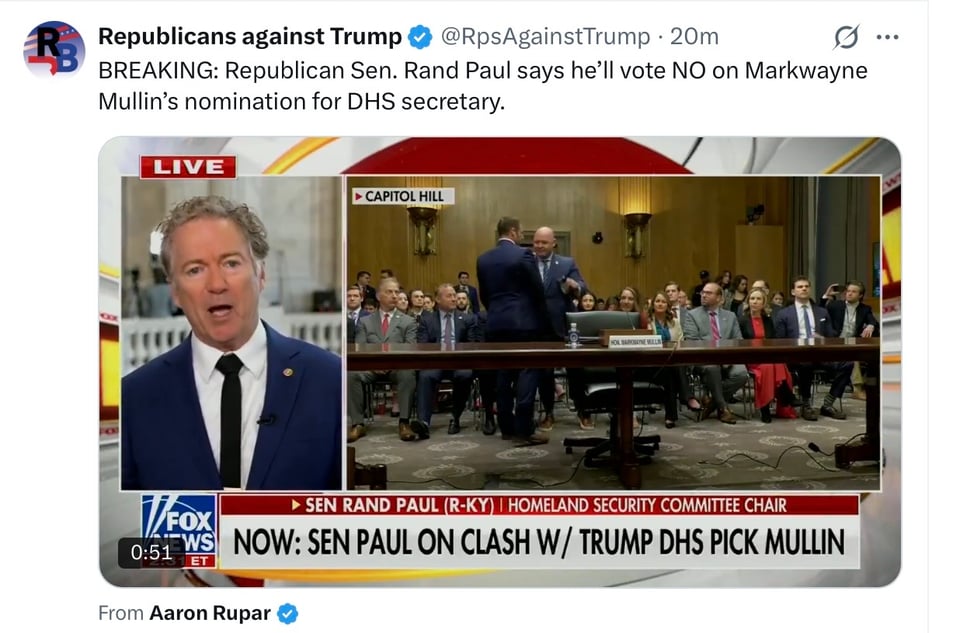
Paul said on Fox News afterward that the committee vote would go on as planned. He said for now, though, he will not be supporting Mullin to take up the post.
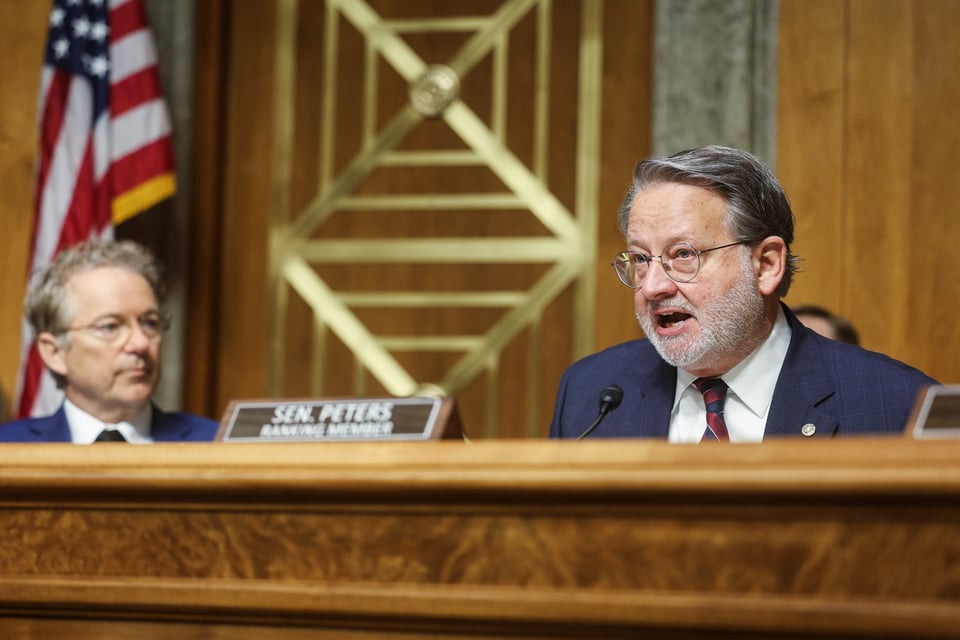
Sen. Gary Peters, the top Democrat on the Senate Homeland Security Committee, voiced his frustrations with Mullin’s lack of “candor” in discussing what he has previously described as “special missions” he conducted around the world. | Francis Chung/POLITICO
In the hearing, Sen. Bernie Moreno (R-Ohio) dismissed the idea that Mullin’s nomination could be derailed.
“I’m going to ruin everything for the audience. You will be confirmed. You have the job, and you’re going to make this country safer and better,” said Moreno, who called Mullin a friend.
Besides Paul, Republicans generally offered Mullin light questions about his record, allowing him to articulate his views on efforts to combat threats from drones, reforming disaster relief and the future of the department.
Mullin promised there will be better communication between Congress and DHS under his leadership of the agency, responding to bipartisan frustration about the sluggish pace of responses to congressional inquiries.
“It’s going to take a couple months to stand it up, but we’re going to have a [legislative affairs] shop that you’re going to know who the person is. We’re going to work with you,” Mullin said.
He continued: ”Most importantly, I think everybody on this dais has my personal cellphone. That cellphone isn’t going to change. And if you call me, you’re going to get a response. If you text me, we’re going to get a response.”
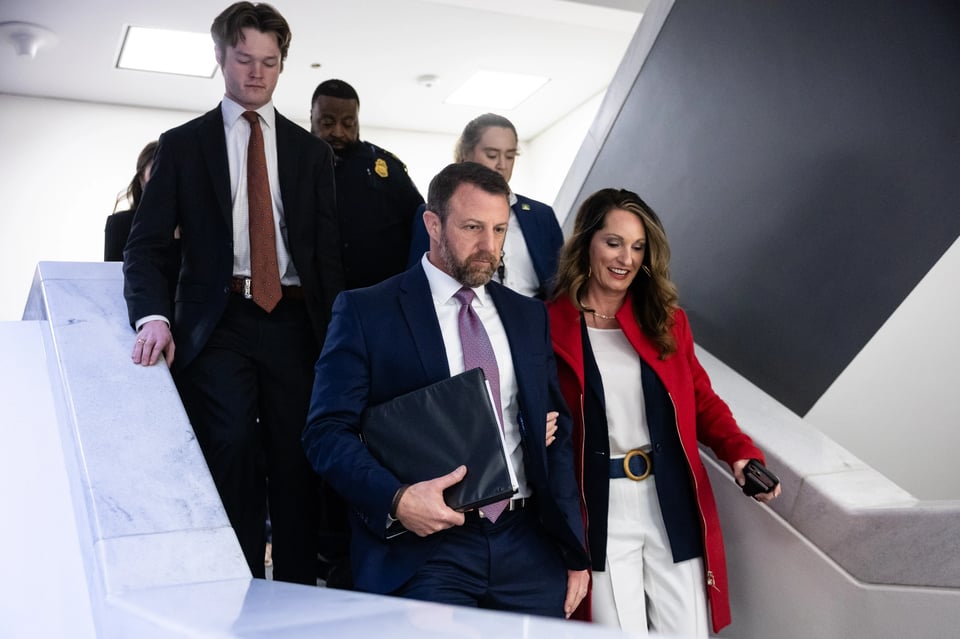
Mullin walks with his wife, Christie Mullin, and other members of his entourage as he departs the hearing. | Francis Chung/POLITICO
It wasn’t enough for most Democrats.
Sen. Elissa Slotkin of Michigan, who pressed Mullin on whether he’d deploy ICE officers to polling locations, said: “I don’t feel confident at this point that he’s going to do anything differently than Kristi Noem. And given what Stephen Miller and the others at the White House, how they view the world and his willingness to do what they say, I’m not sure I can say that.”
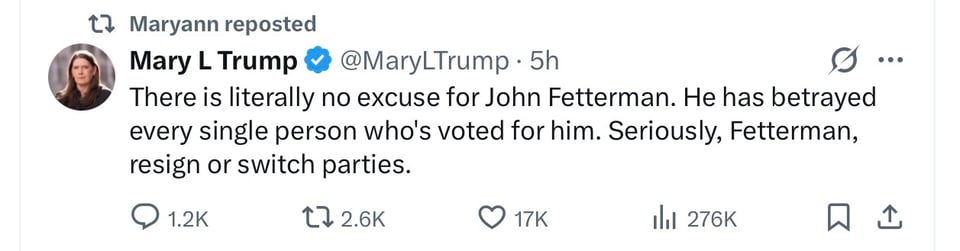
But Mullin can count on the support of one Democrat — John Fetterman of Pennsylvania — who reiterated his support for Mullin in the hearing.
Plenty of Mullin’s colleagues on both sides of the aisle lavished praise on a man they said they respect as a colleague and friend. That included Sen. Ruben Gallego (D-Ariz.), who did not say whether he would support Mullin’s nomination, but insisted Mullin was qualified for the job and that he is an “upstanding” person and colleague. (Politico)
A pictorial version of Mullin’s interaction yesterday with Sen. Rand Paul.
One more thing. Or two.
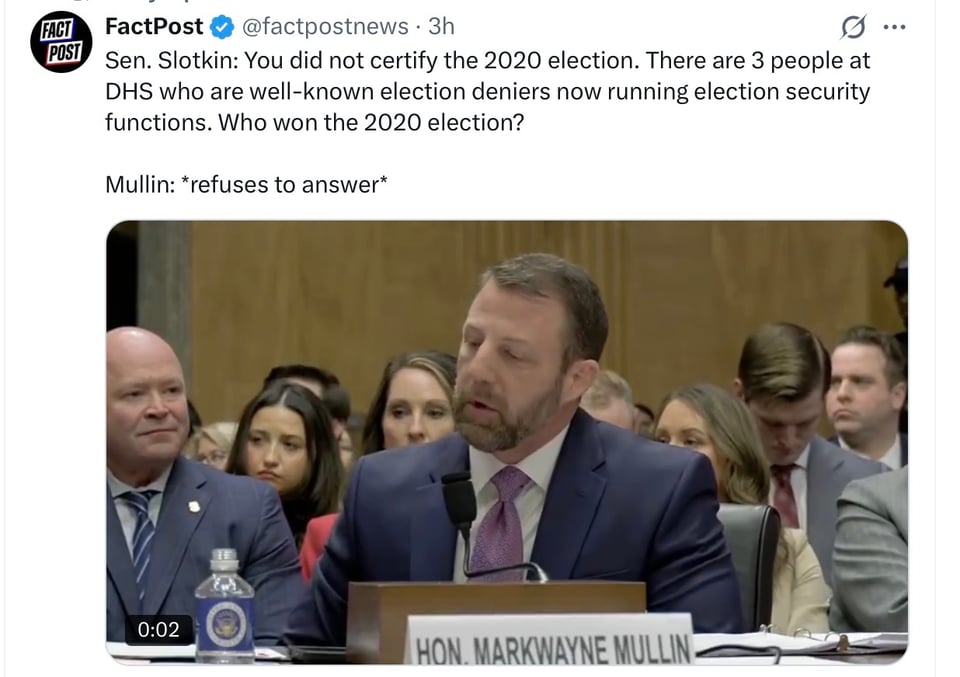

Doesn’t Trump pick the finest people?
Mary Trump has a point too! But so does Chrissy Houlihan. You can pressure Fetterman.👇
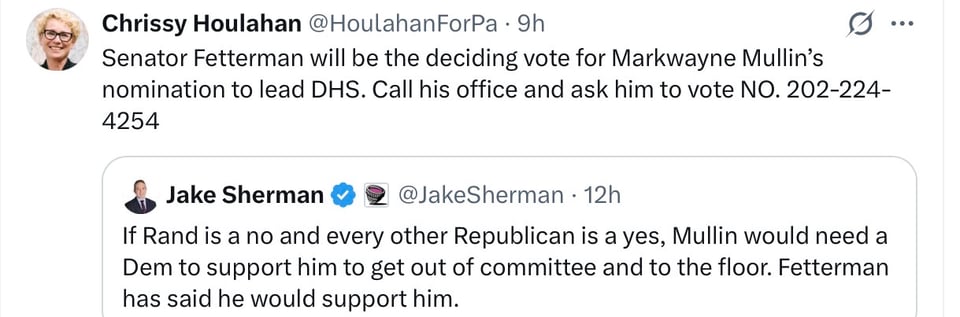
Tell your Senator not to allow any Trump appointees to be confirmed!
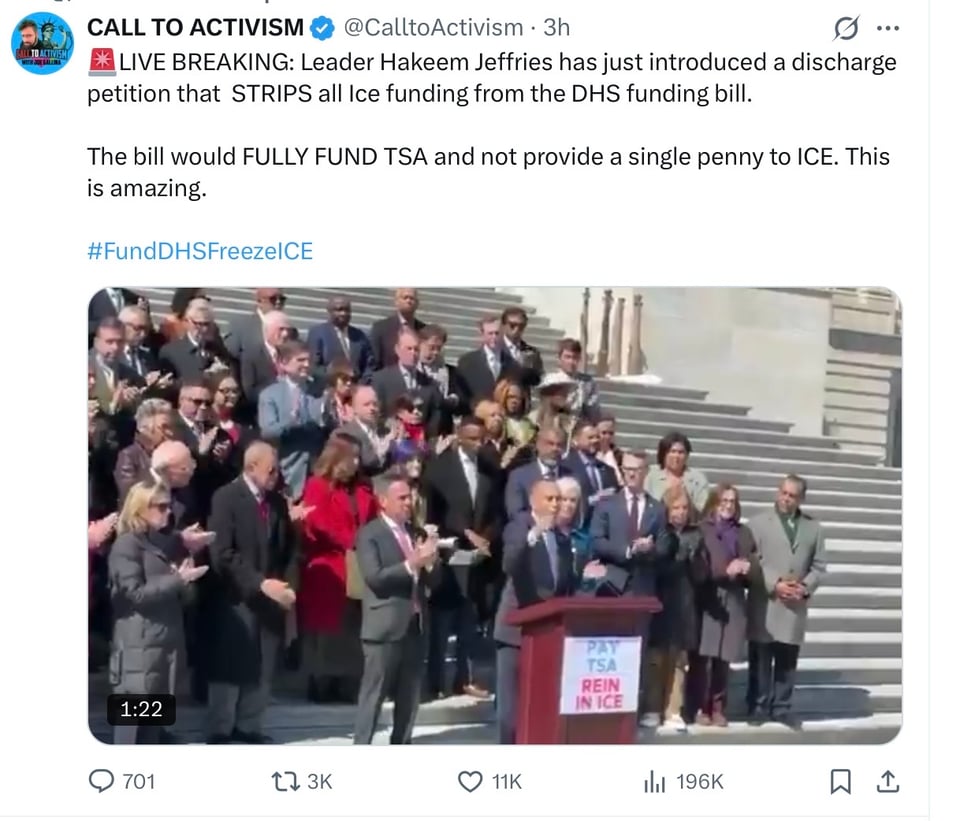
At least this happened in the House yesterday!
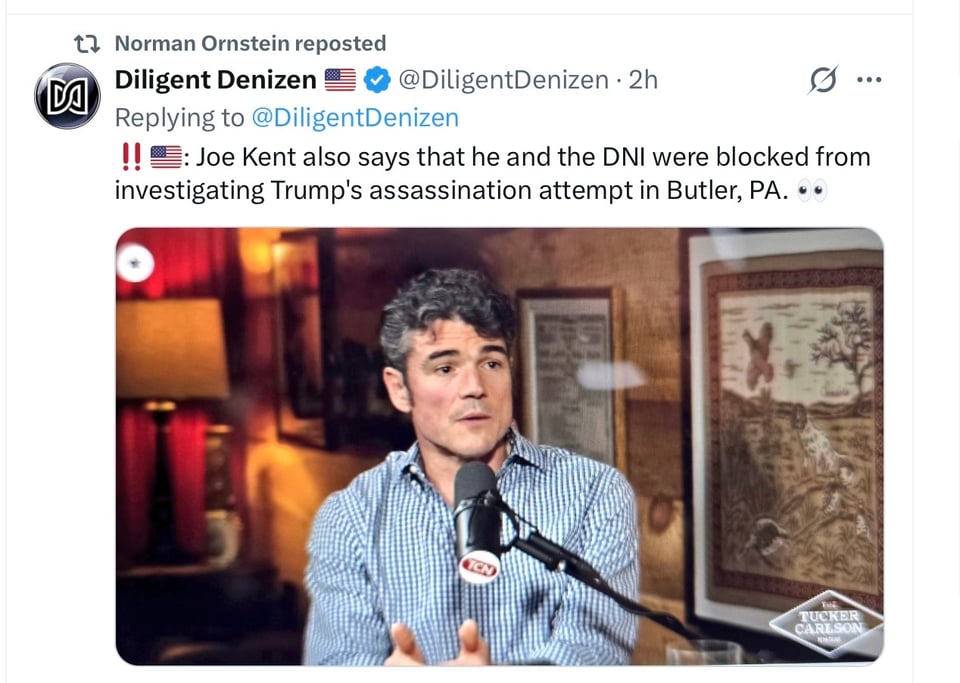
Joe Kent, Trump’s Counter-intelligence chief who resigned over Trump’s Iran War, had other interesting things to say too.
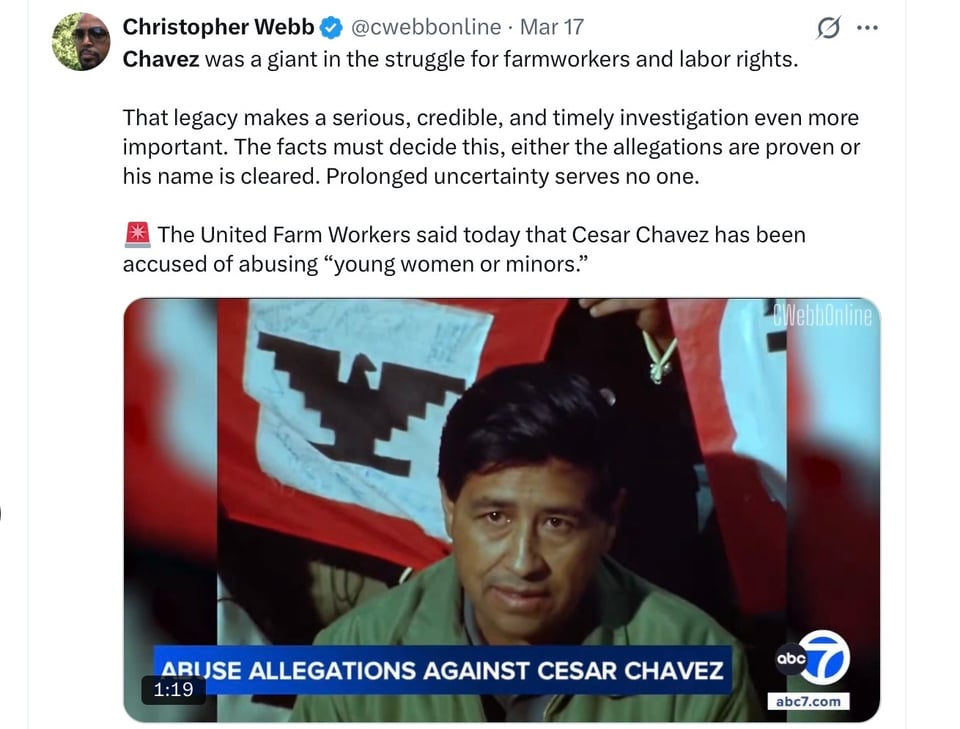
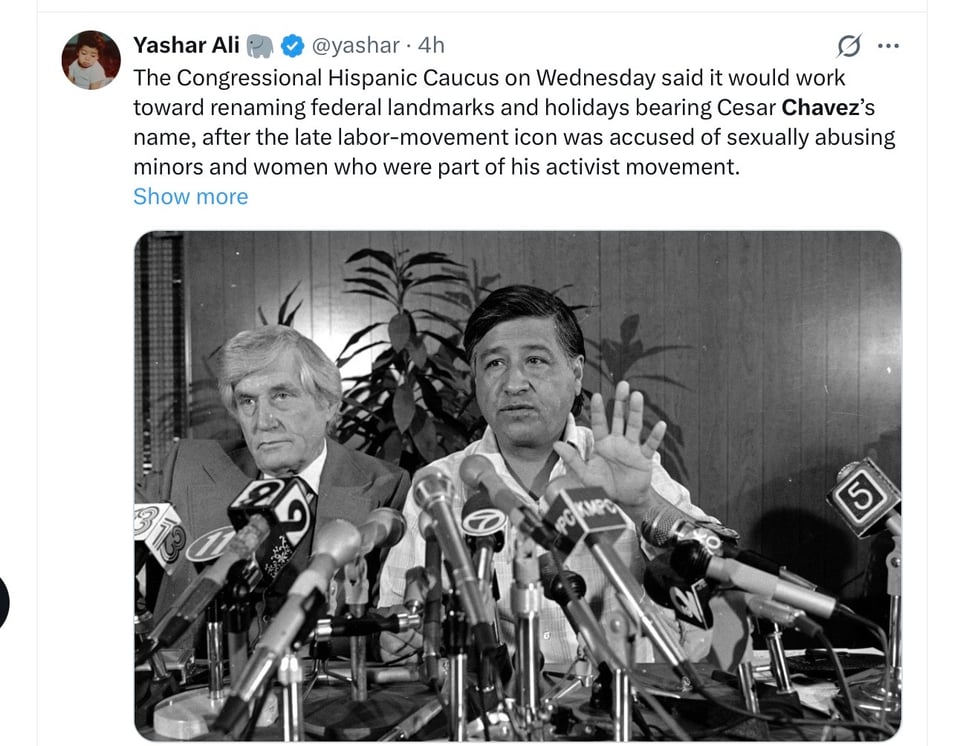
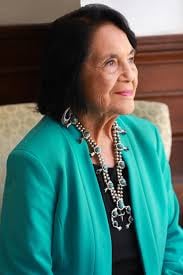
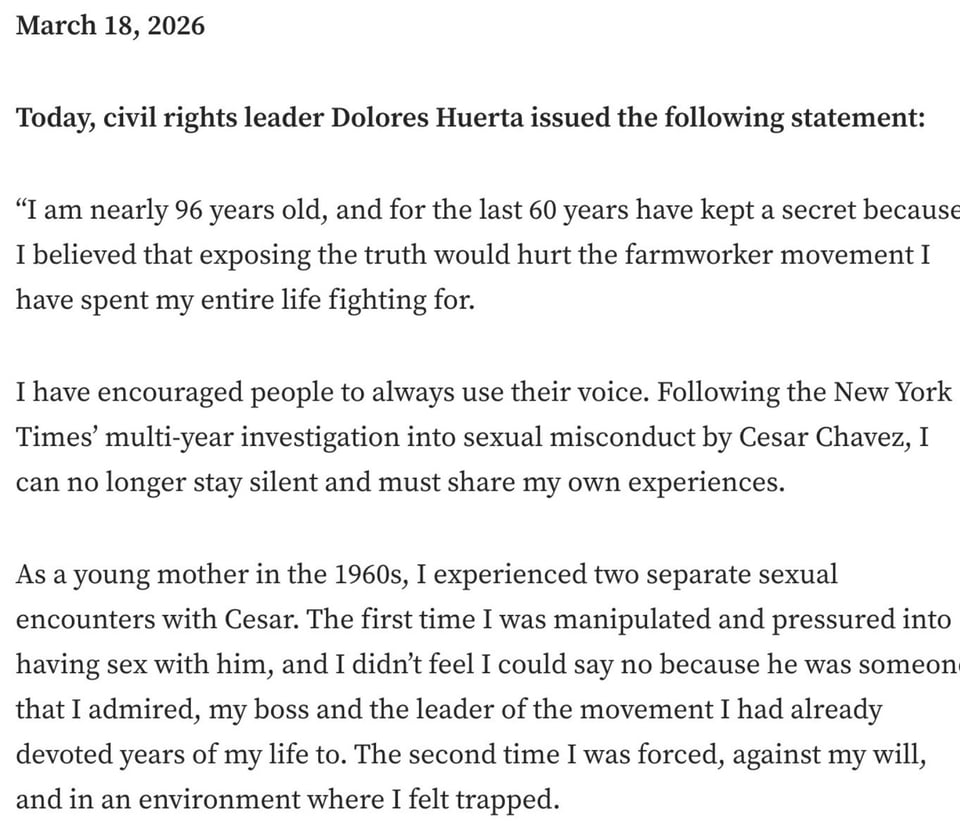
Caesar Chavez, Sexual Abuser.
Shocking and horrific revelations.
Wanna bet basketball players making an average of $600,000/yr.outplay players making $125,000/yr?
Top WNBA players set to make more than $1m a year after new CBA agreed in principle.
Union and league reach verbal agreement on new deal. Average annual salary expected to be $600,000
The WNBA and its players’ union reached an agreement in principle on a new collective bargaining agreement early Wednesday morning.
Specifics still need to be finalized over the next few weeks as lawyers on both sides work on the new deal. A term sheet should be completed in the next day or two. It will then need to be ratified by the players and then approved by the league’s Board of Governors.
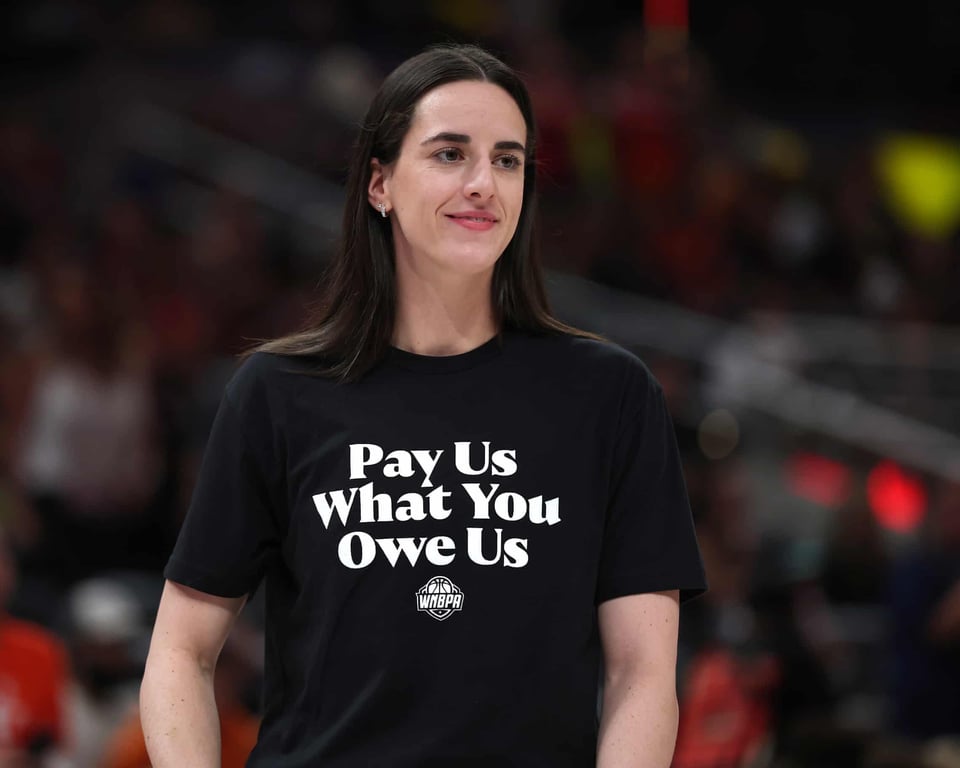
Caitlin Clark and her fellow WNBA players lobbied for increased pay. Here was Caitlin at the 2025 All-Star game.
“I just want to say we have aligned on key elements of a new collective bargaining agreement together. We still need to finalize a formal term sheet, but the progress made in these discussions marks a transformative step forward for players and the league,” WNBA Commissioner Cathy Engelbert said. “It underscores a shared commitment to the continued growth of the game. So, we’ll share additional details as they become available.”
The deal is expected to greatly increase player salaries with some players making more than $1m a year – a first for the league as it enters its 30th season. That would increase salaries fourfold from last season. According to ESPN, the average annual player salary will be $600,000, up from $125,000 in 2025. The minimum salary will be $300,000, up from $66,079 in 2025 and the supermax salary will start at $1.4m. Each team’s salary cap will be $7m, compared with $1.5m last season.
“For the first time player salaries are tied to a truly meaningful share of league revenue, driving exponential growth in the salary cap, increasing average compensation beyond half a million dollars and raising the standard across facilities, staffing and support,” union president Nneka Ogwumike said.
The agreement is set to reflect the league’s skyrocketing growth and popularity. Attendance, viewership and investment from stakeholders has increased to historic levels over the past few years.
“The deal is going to be transformational,” union vice president Breanna Stewart said. “It’s going to build and help create a system where everybody is getting exactly what they deserve and more from on the court and off the court aspects.”
The deal came after the two sides spent the past eight days in intense in-person negotiations that lasted for more than 100 hours. They came to the agreement just past 2am on Wednesday after spending more than 10 hours of discussions on Tuesday.
“This is historical for women’s sports. I told Cathy it’s not just for the players that are entering the league or the players that aren’t already here,” Ogwumike added. “We’re just really grateful to be able to come to a deal. We’re proud of ourselves.”
WNBA leadership and the union met with reporters together in the lobby of a New York hotel shortly before 3am.
The deal comes 17 months after the players opted out of their previous agreement and five months after the previous deal was initially set to expire, with talks often becoming contentious.
“We opted out because what we were giving to this league and what we were getting back didn’t match,” union executive committee member Alysha Clark said. “You could feel the growth everywhere, but it wasn’t showing up for the players the way it should. So we stayed with it until it did.” (The Guardian)

