Thursday, February 26, 2026. Annette’s Roundup for Democracy.
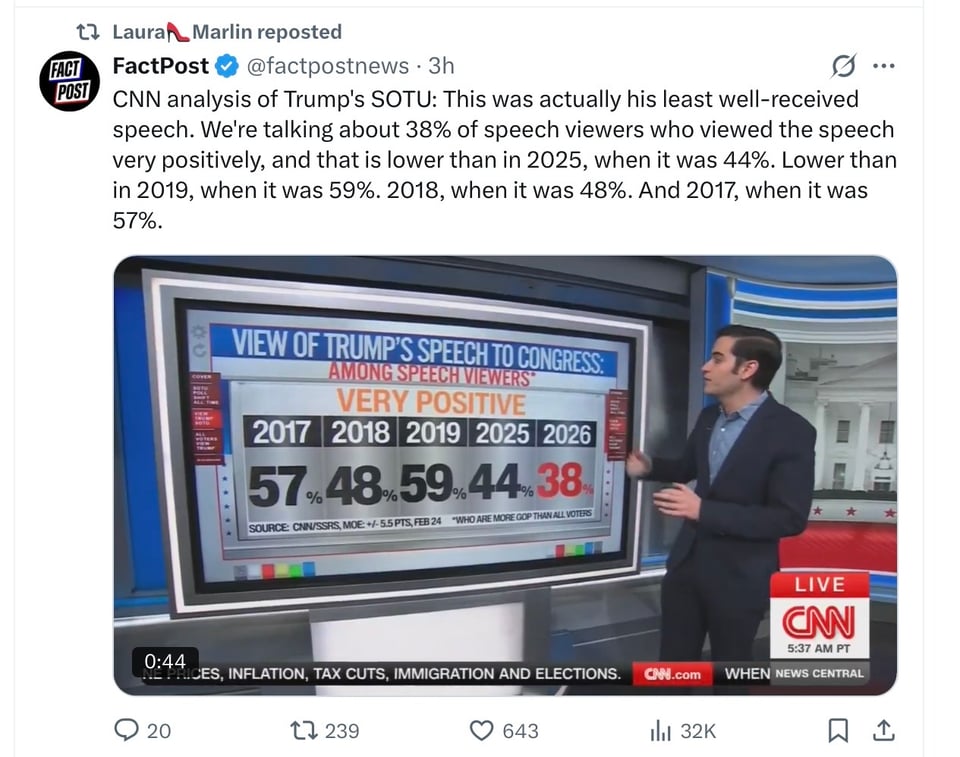
How did the public react to Trump’s State of the Union?
Ann Coulter was her usual immigrant-hating self - hatred up close and personal.

CNN and other news outlets were pretty consistent in exposing Trump lies.

As to the Democrats, Abigail Spanberger, Governor of Virginia, was explicit and wonderful. On Tuesday, even Chuck Schumer was outspoken.

While Trump was ranting and rambling at the State of the Union, he was losing.

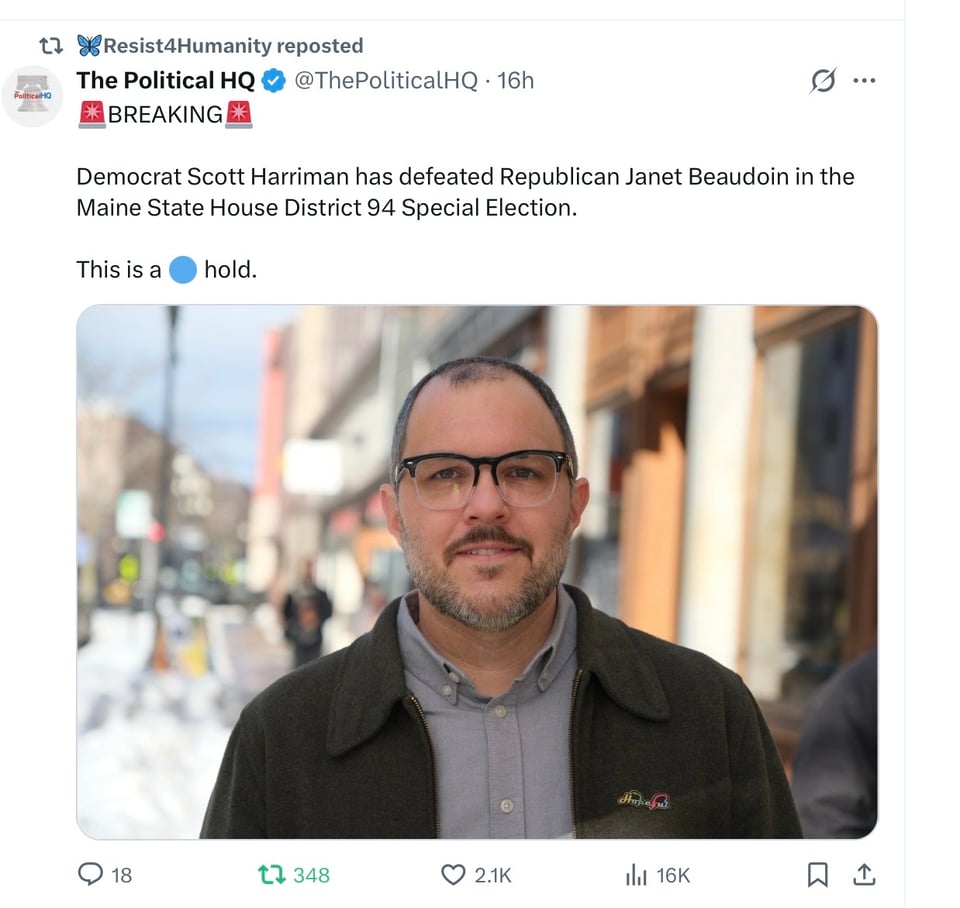
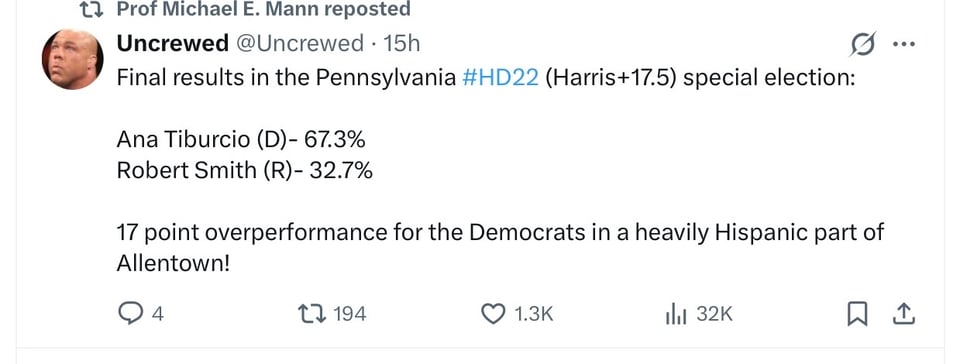
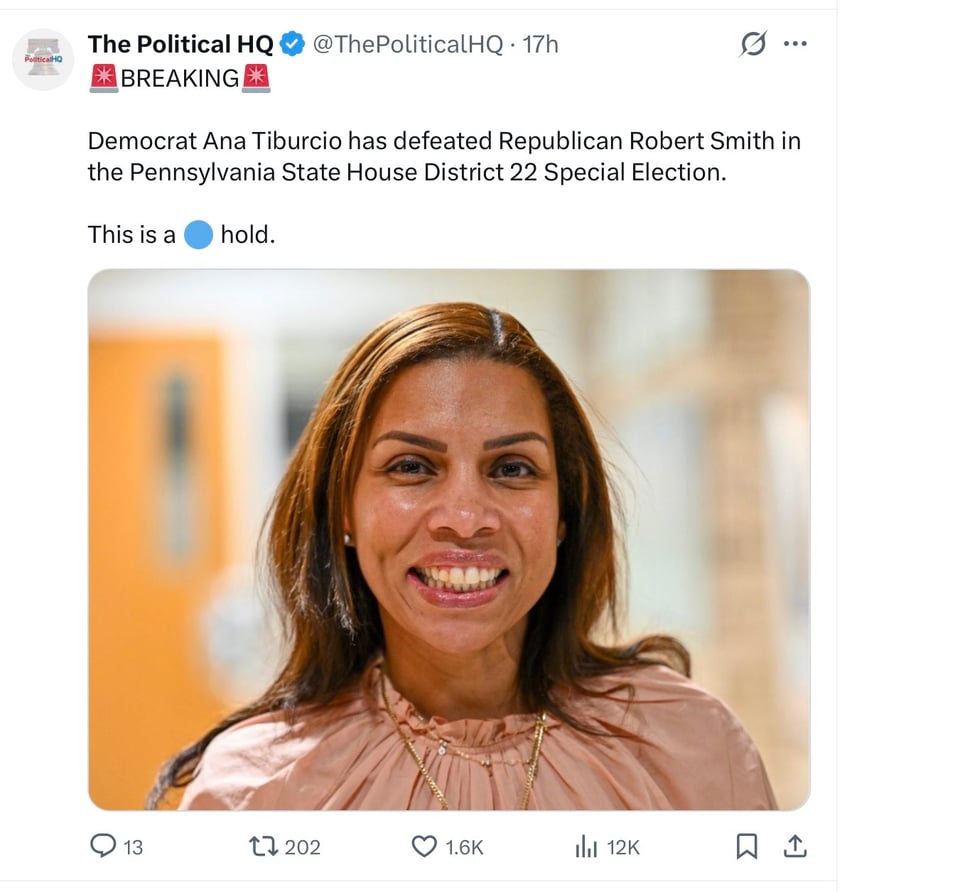
Texas Democrats are outvoting Texas Republicans in the primary for the first time since the 2002 midterms.
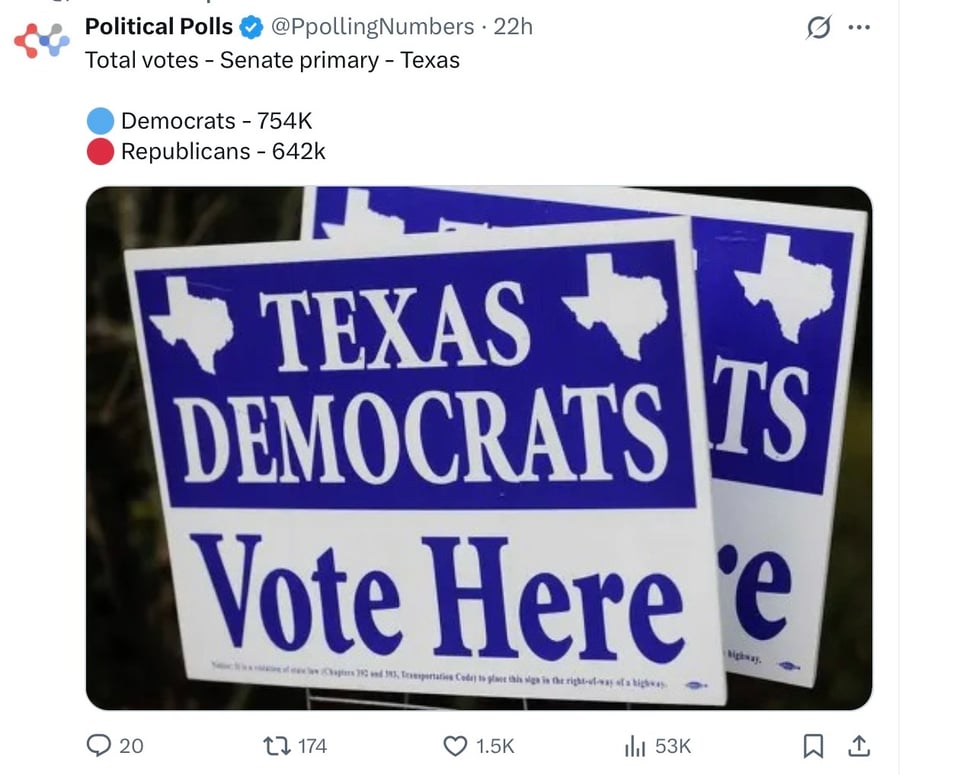
Even Newer Texas voting update:
Democrats: 869,118
Republicans: 732,444
And what about Florida?

A little more about the Olympic Ice Hockey teams, and the Olympics in general.
Fallout continues.
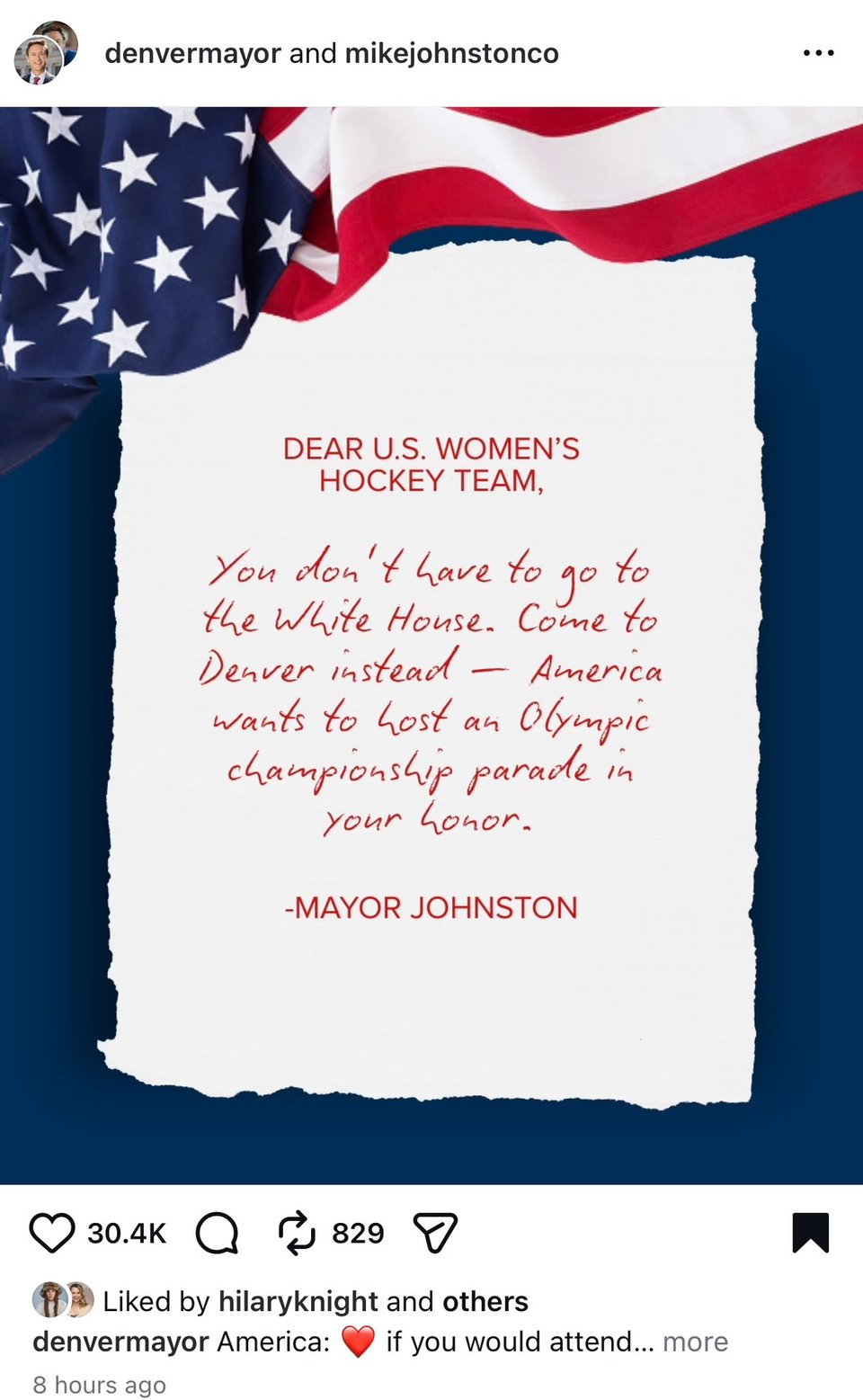
The Gold Medal USA Women’s Ice Hockey team, first mocked by Trump, which then refused Trump’s delayed offer to host them in the White House, are now being honored and admired.
Sample public response to the Women’s Ice Hockey champions.
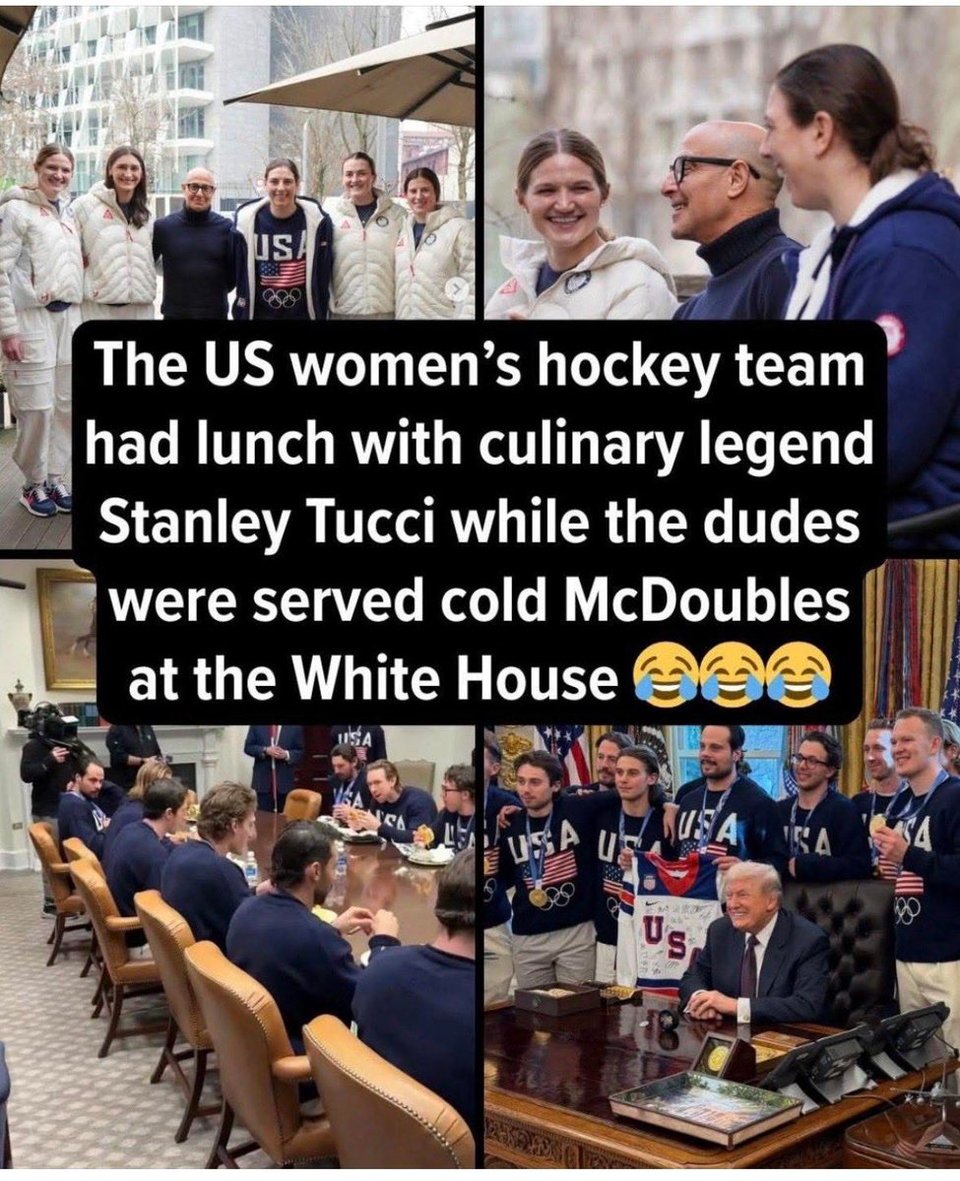
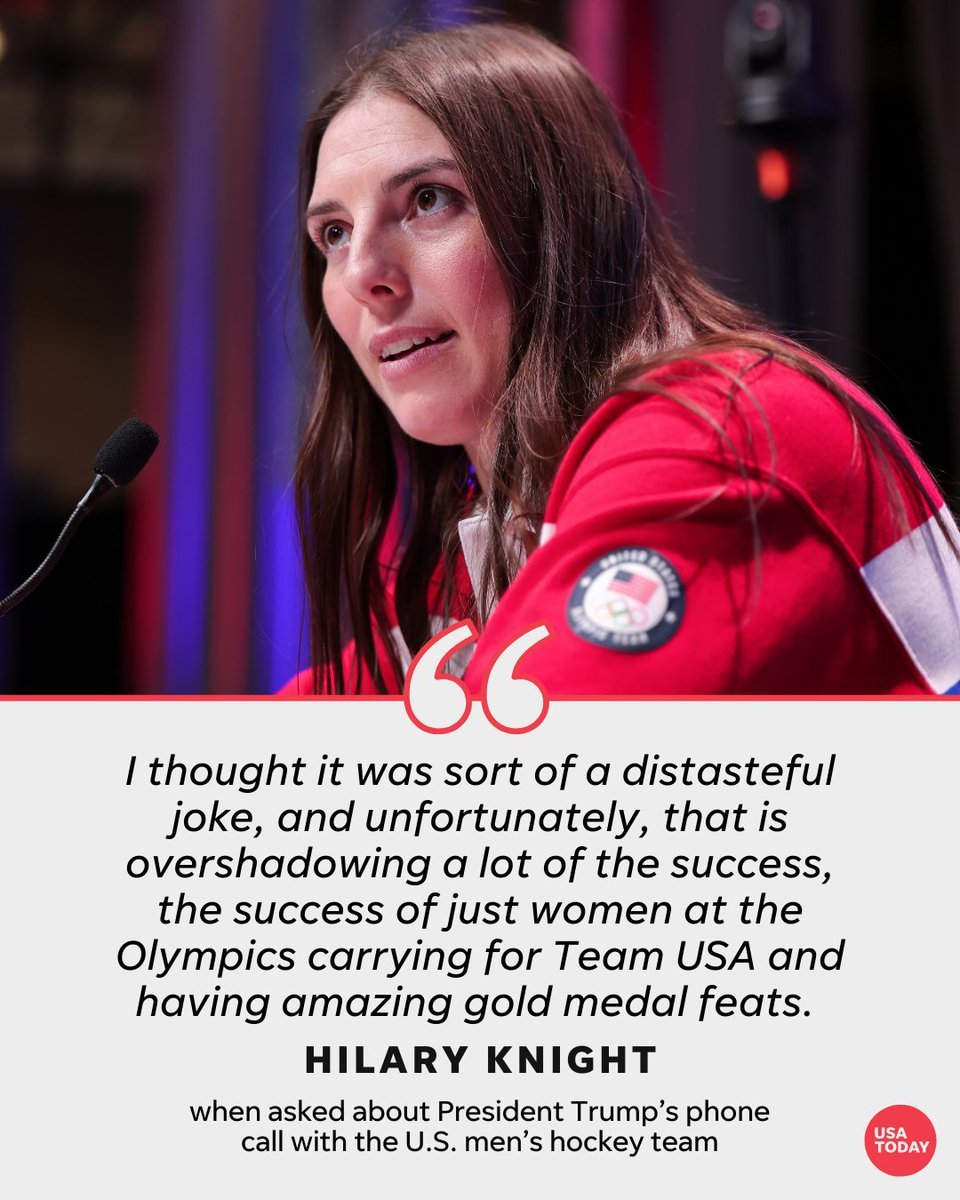
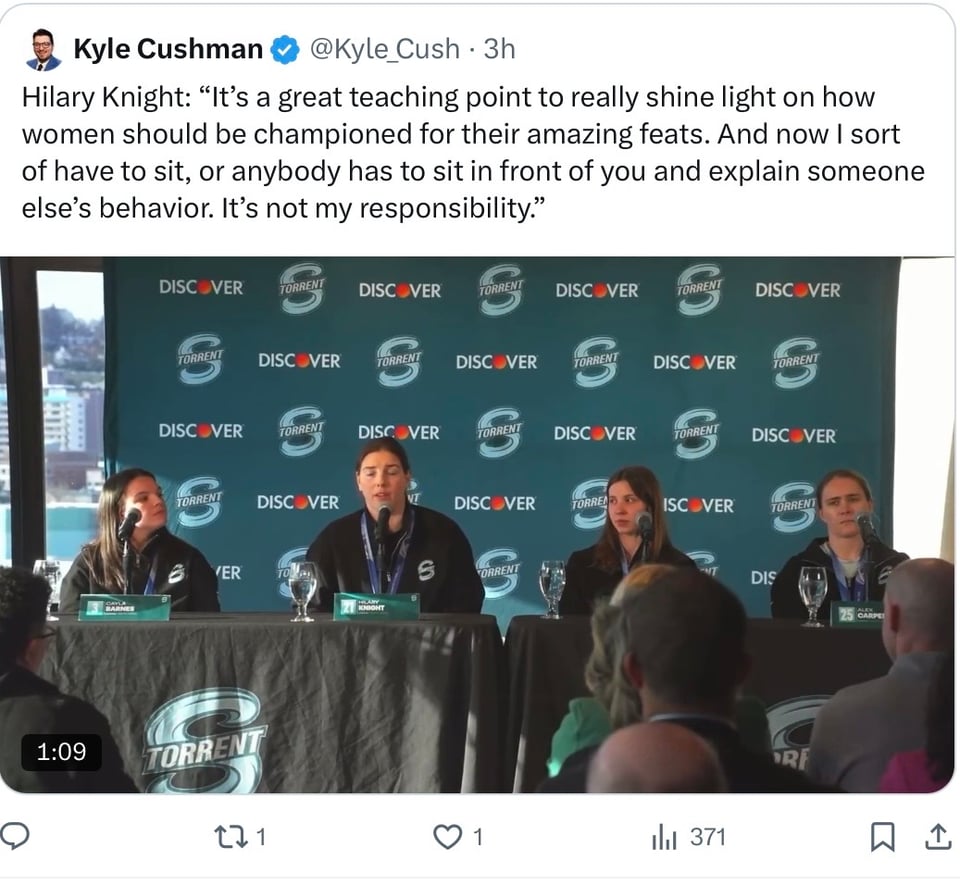
The Gold Medal Men’s Ice Hockey team, who laughed at Trump’s disparaging joke about the women and accepted his offer to attend the State of the Union speech and to visit the White House, are now being mocked as political puppets for Trump.
They are being criticized as people who sold their souls for Big Macs at the White House.
Țheir visit to a strip house when they returned to the States from Italy didn’t help either.
The men’s team is tripping over itself to apologize … some kind of.👇
Jack and Quinn Hughes respond to US men’s Olympic hockey team ‘backlash’ over Trump call
MILAN, Metropolitan City of Milan — Brothers Jack and Quinn Hughes made the media rounds on Tuesday, just days after becoming gold medal winners at the 2026 Winter Olympics.
Jack, 24, is a forward for the New Jersey Devils and scored the game’s winning goal in overtime past Canadian goalie Jordan Binnington. Quinn, 26, is a defenseman for the Minnesota Wild.
The pair mostly celebrated the team’s win during their appearances on both “Today” and “Good Morning America,” but also spoke about the recent backlash the team received online. Videos from inside the team’s locker room after the gold medal game showed players celebrating with FBI Director Kash Patel and laughing at comments made by President Donald Trump during a phone call.
When extending a State of the Union invitation to the men’s team on Sunday night, Trump said, “I must tell you, we’re going to have to bring the women’s team, you do know that.” Trump said that if he did not also invite the women’s team, “I do believe I probably would be impeached.”
“They’ve got busy schedules, too. Everyone is giving us backlash for all the social media stuff today,” Jack Hughes told the Daily Mail. “People are so negative out there, and they are just trying to find a reason to put people down and make something out of almost nothing.”
“I think everyone in that locker room knows how much we support them, how proud we are of them, and we know the same way we feel about them, they feel about us,” Hughes added.
The gold medal-winning women’s team declined Trump’s invite to also attend the State of the Union address, with U.S. hockey officials saying it was due to scheduling issues.
Both Jack and Quinn said they were nothing but close to the women’s team during the Olympics, saying support between the teams was mutual. They also confirmed they would be accepting Trump’s invitation to the State of the Union.
“If there was a camera on me and Quinn when the women’s team won, we look like the biggest super fans of all time,” Jack said during his appearance on TODAY. (Bexar Brief)
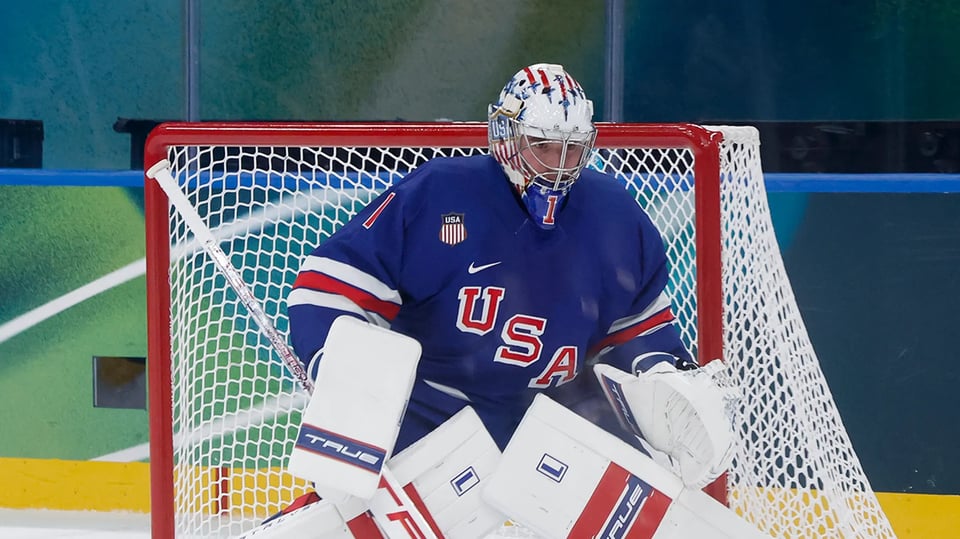
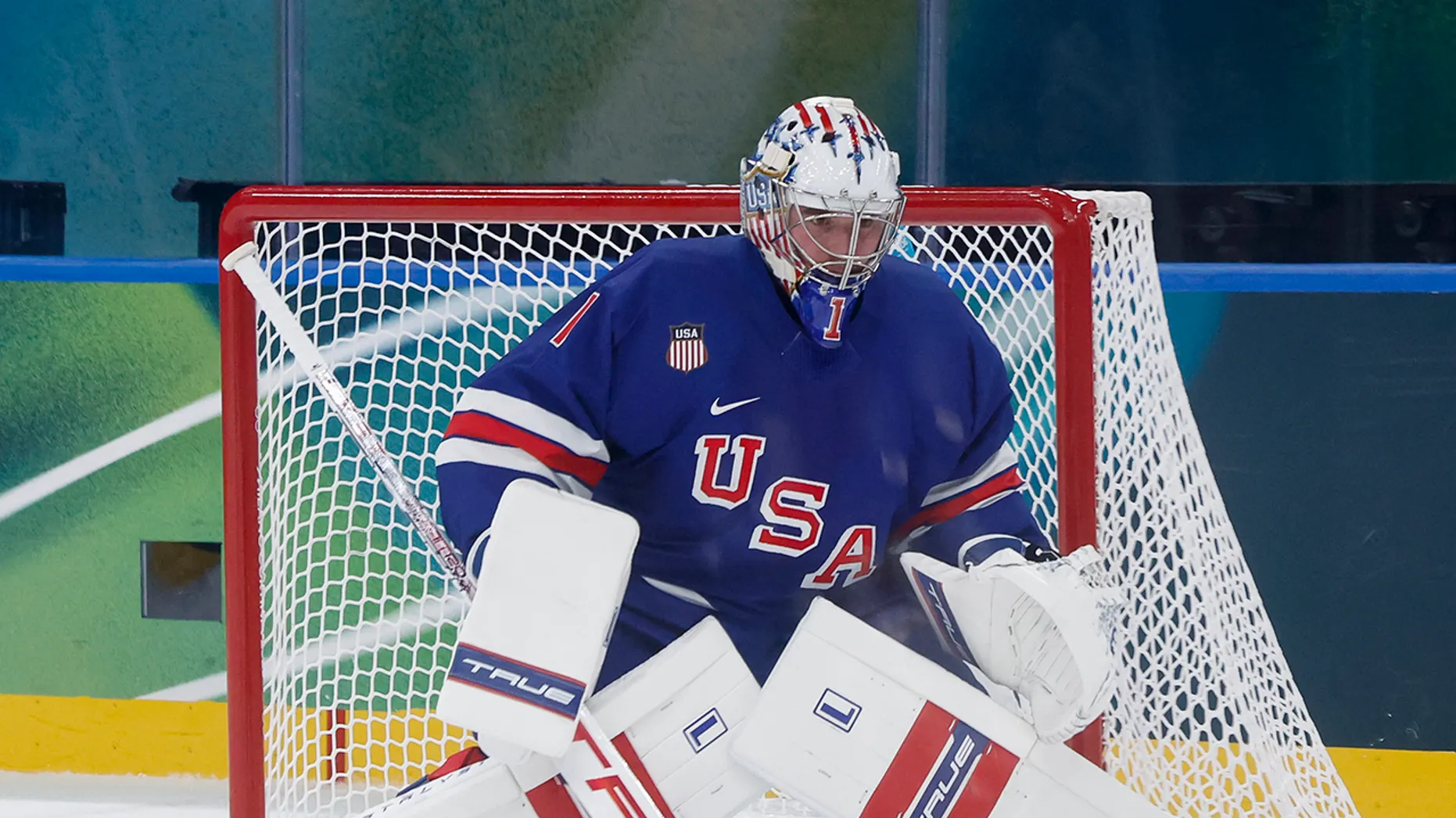
Goaltender Jeremy Swayman of the United States during the Ice Hockey Men's Preliminary Round Group C game between the USA and Denmark on day eight of the Milan Cortina 2026 Winter Olympic Games at Milano Santagiulia Ice Hockey Arena on Feb. 14, 2026, in Milan, Italy. (Jean Catuffe/Getty Images)
"We should have reacted differently," Swayman told reporters Wednesday when asked about the phone call.
Members of the men's team, including Jack and Quinn Hughes, made it a point to mention that the teams celebrated and supported each other throughout the Olympics.
Swayman, too, hammered home the point.
"We know that we are so excited for the women’s team. We have so much respect for the women’s team. To share that gold medal with them is something we’re forever grateful for," he said. (Fox News).
More Fallout.
Mark Carney,the Canadian Prime Minister who can actually play ice hockey and who hosted both the Gold Medal USA Women’s Ice Hockey team and the Silver Medal Canadian Women’s Ice Hockey team, is being widely admired.
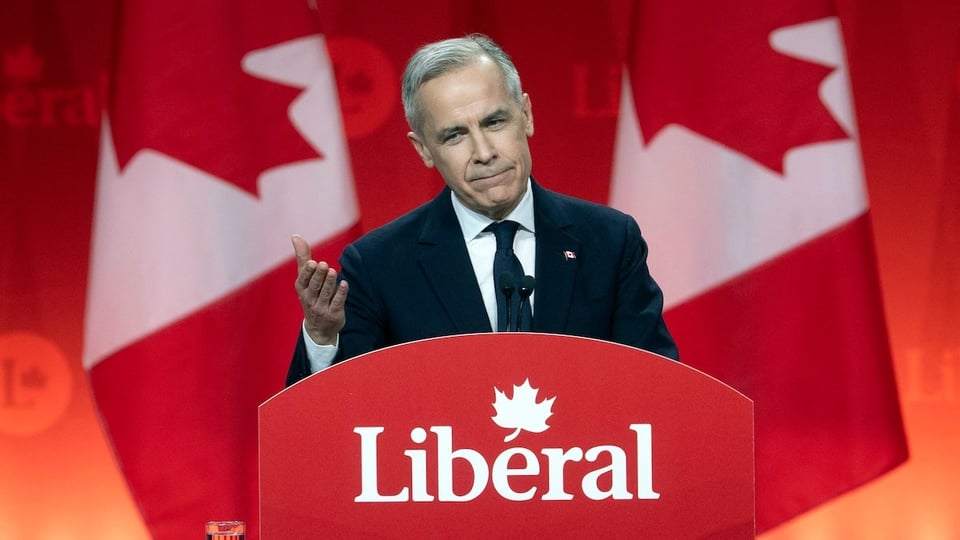
⏫Approve: 63 % (+3)
⏬Disapprove: 31 % (-3)
This is the highest approval rating ever recorded for Prime Minister Carney in an Angus Reid poll.
Angus Reid, 23/02/26
One more thing. Or two.
A White House Invite, a Punchline—and a Choice for the Men of Team USA - Ms. Magazine
After a joking White House invitation cast women’s victories as an afterthought, Team USA’s men face a defining opportunity to show whether championship culture includes equal respect and real solidarity.
Both the U.S. women’s and men’s ice hockey teams won gold at the 2026 Milan-Cortina Winter Olympics. Yet, within hours of defeating Canada, only the U.S. men’s hockey team received a congratulatory call from President Donald Trump and an invitation to the White House.
What should have been a routine celebration of athletic excellence instead became a revealing cultural moment.
After extending the invitation, the president joked, “I must tell you, we’re going to have to bring the women’s team,” adding that he would “probably be impeached” if they were not invited. Laughter followed.
Both teams had delivered extraordinary victories against a fierce rival. Both performances electrified fans and showcased the highest level of international competition. Yet the reactions surrounding those wins exposed something familiar: Women’s achievements are still too often treated as secondary, inconvenient or acknowledged only as an obligation.
Some have dismissed the comment as harmless—just a joke, just locker room talk, boys being boys. But humor has long been one of the ways inequalities sustains itself. Framed as harmless, softened by laughter and repeated often enough, it teaches audiences what is acceptable and what feels risky to challenge.
When authority figures frame inclusion as an obligation rather than a given, the message travels quickly. Laughter signals what feels safe. Silence signals what feels dangerous to question.
Team environments depend on unity and belonging. Speaking up can feel like breaking ranks, while remaining quiet feels safer. Yet silence, even when unintended, communicates acceptance. Over time, these moments accumulate, reinforcing who is perceived as central and who remains an addition.
When women’s inclusion becomes a punchline, the triumph no longer belongs equally to everyone it represents. The contrast is especially striking given the broader reality of these Olympics. Women alone won six of the United States’ 12 gold medals and helped secure two more wins in mixed-gender events (men won the other four), and won 21 of the country’s 33 total medals. This continues a decades-long pattern in which women drive American Olympic success while still fighting for equal visibility and respect.
Women’s performances are not supplementary to American achievement—they are foundational to it.
This tension is not new. Women athletes have long had to advocate not only for resources, but for recognition— pushing for equal pay, fair media coverage and investment that reflects their contributions. Progress in women’s sports has rarely arrived automatically; it has come through persistence and collective insistence on being seen as fully legitimate competitors.
Disparities in recognition do more than diminish women’s accomplishments—they reshape the meaning of celebration itself. The men earned their victory unequivocally, yet the surrounding controversy risks attaching an unnecessary shadow to what should have been uncomplicated national pride. When women’s inclusion becomes a punchline, the triumph no longer belongs equally to everyone it represents.
The U.S. women’s hockey team ultimately declined the White House invitation, a decision reflecting principle as much as disappointment. Recognition offered alongside dismissal rarely feels like recognition at all.
When women win and are treated as an afterthought, the message reaches classrooms, workplaces and communities alike: You may help carry the nation, but you will not be centered in its story. What happens next matters.
The most meaningful response from the men’s team would be solidarity: a public acknowledgment that women athletes deserve equal respect, that jokes minimizing their inclusion were harmful and that teammates across gender lines stand together. A sincere apology. Such a response would not diminish their victory; it would elevate it.
Solidarity in moments like these matters, because gender equality in sports has too often been framed as a women’s issue alone. Progress accelerates when those who benefit from existing structures choose to challenge them. Allyship does not erase achievement; it expands its meaning.
Such actions do not come without risk. Speaking publicly in opposition, especially to a sitting president, invites swift backlash. Athletes who step into controversy often face immediate and personal criticism.
U.S. Olympic skier Hunter Hess experienced this after expressing “mixed emotions” about representing the United States; President Trump responded by calling him “a real loser.” The pressure to remain silent is real, particularly in environments that reward cohesion and discourage dissent.
But moments like this offer athletes a rare opportunity to shape culture beyond competition. And people are watching.
Young girls—as well as young boys and children everywhere—are learning what respect looks like in real time. They are learning whether success excuses dismissal or whether excellence includes standing up for others. They are learning how men treat women when recognition and power are on the line.
Sports have never existed apart from culture. Athletics has long helped shape national conversations about fairness, visibility and belonging. Moments like this become lessons that extend far beyond the rink.
When women win and are treated as an afterthought, the message reaches classrooms, workplaces and communities alike: You may help carry the nation, but you will not be centered in its story.
Inclusion without respect is not equality.
The victories over Canada should have been remembered solely for athletic brilliance: four teams competing, two American triumphs, one shared sense of pride. Instead, they revealed how persistent the work of equality remains.
The men’s team now faces an opportunity few champions receive: to ensure their victory stands not only for competitive excellence, but for integrity. A moment of solidarity could transform controversy into progress and ensure this championship is remembered not only for winning, but for leadership.
Women’s sports are not a punchline. They are part of the victory and they always have been. It’s time we treated them that way. (Ms. Magazine)
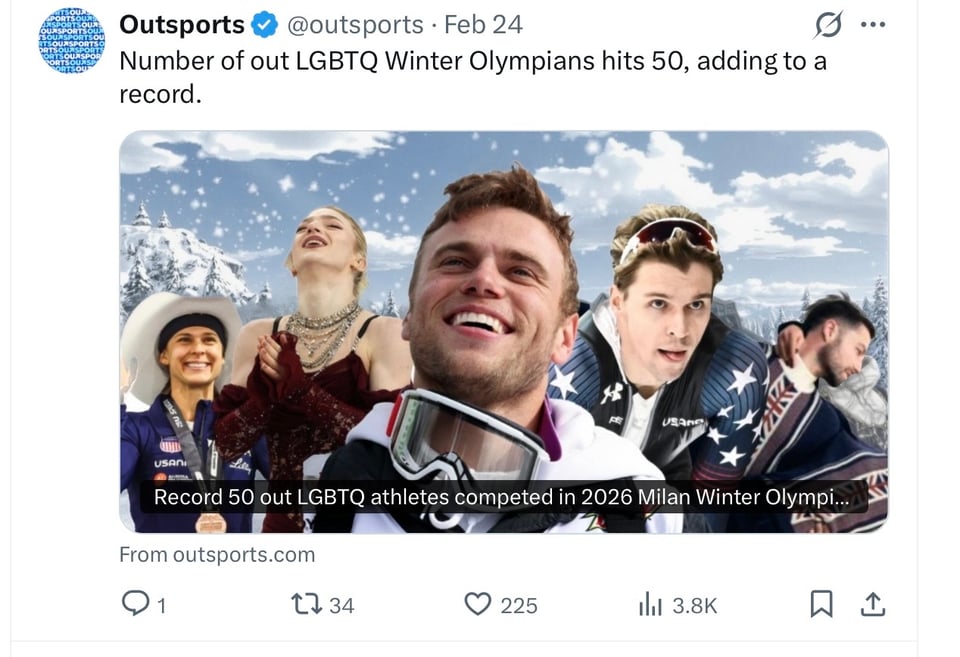
While we are looking for fairness, here is the tally of medals by LGBTQ+ athletes at the Games.👇