Saturday, March 14, 2026. Annette’s Roundup for Democracy.
Musing on hatred in America.
Antisemitism.
Frum makes good points, though he is more forgiving of Israel’s actions in Gaza than I would be.
David Frum - Anti-Semitism Is Becoming Mainstream.
The Michigan attack shows that anti-Jewish terror is spreading.

Hypocrisy is not an altogether bad thing. So long as our society has hypocrites, we have not totally lost our moral bearings. The hypocrite pretends to be good because the hypocrite believes that society admires good and condemns wrong. It’s time to worry when the hypocrite disappears—because that is the moment when wrongdoing has acquired impunity.
Yesterday, a man crashed his car into a synagogue and preschool in West Bloomfield, Michigan. He was armed and may have intended to slaughter the children at the school. Vigilant security officers shot him dead before he could complete his crime.
Since Hamas’s October 7 terror attacks on Israel—and the ensuing war in Gaza and other countries bordering Israel—anti-Jewish terror has spread worldwide. Two Israeli-embassy staffers targeted and murdered in Washington, D.C. Twelve people injured by a Molotov cocktail hurled at a free-the-hostages rally in Boulder, Colorado. Two killed during a terror attack on a synagogue in Manchester, England. The Bondi Beach Hanukkah massacre in Australia, the deadliest terror attack in that country’s history. All of these just in 2025.
These killings—and dozens of other attempts and near misses in many countries—have disgusted decent people and embarrassed even many who hold otherwise anti-Jewish views.
They are also expressions of something harder to process: the explosive growth of anti-Jewish sentiment as a broadly accepted part of modern culture.
Almost half of Republican voters younger than 50 believe that the Holocaust did not happen as historians describe, according to a recent study by the Manhattan Institute. One-quarter of that cohort openly expresses anti-Jewish views; another 30 percent don’t reject openly anti-Semitic individuals.
A 2024 University of Maryland poll found that 7 percent of under-35s of all parties would not vote for a Jewish candidate for office.
A Yale poll of American youth this past fall found that voters under 30 were roughly twice as likely to say that Jews had a negative effect on America than voters in general. More than 40 percent of 18-to-22-year-olds agreed with at least one of a series of anti-Semitic statements read to them by the pollsters.
These are hard data outcroppings from a seething sea of online hate. Every TikToker, Twitch streamer, YouTuber, podcaster, and X account has recognized that a sure way to spike engagement is either to espouse anti-Jewish views yourself, or platform those who do. There’s debate about whether this is an organic product of the mysterious inner workings of algorithms—or deliberately designed by the programmers of TikTok and X. There’s no debate that it’s happening, and that it’s transforming consumers.
A large constituency wants to depict at least some of this transformation as a perhaps regrettable but surely understandable reaction to Israel’s military actions in Gaza. Young people see horrifying images on their phones and are duly horrified. If anti-Semitism is on the rise, it must be Israel’s fault.
Certain things they see are indeed alarming. But among the flaws in this theory are these awkward facts: Some of the worst images purportedly from Gaza are actually from the Syrian civil war, recycled under false pretenses—and many people seem to become upset by the atrocities only when they are blamed on Israel. Many other images prove to be either wholly faked or misleadingly presented: A Hamas rocket, for example, strikes a Gaza hospital and is maliciously described (and credulously accepted) as an Israeli strike instead.
But the larger problem is that there’s no shortage of horrifying images of atrocities committed elsewhere in the world, including the Iranian regime’s massacre of protesters, or by Hamas against Israelis, including intentional harm to children and sexual abuse of women and girls. Many of these images were shared in real time by Hamas itself. Why did some upsetting images spread anti-Israel attitudes, when other upsetting images failed to rally viewers to Israel’s cause?
For some Israel critics, the identification of Israel with “us,” the advanced Western world, imposes a stricter moral standard than is required of “them,” the poor non-West. It would be nice to believe that the human mind builds from evidence to belief, but the sad truth is that we human beings are highly adept at selecting evidence to corroborate the beliefs we wish to hold. Many Americans—many more than before—wish to hold anti-Israel and anti-Jewish beliefs. They select their evidence accordingly, even wantonly false evidence.
When anti-Israel narratives of “genocide” and “apartheid” are followed by anti-Jewish terrorism on U.S. soil, many propagators of those narratives—especially those in or seeking elective office—hasten to repudiate the violence. “Who says A, must say B” goes an old quote often attributed to Vladimir Lenin. But not everyone can look B in the face when B shows up. And of course even fewer wish to be blamed for B no matter how strenuously they were warned that it was coming when they began their exploration of the alphabet of anti-Semitism.
Still, this particular hypocrisy should be welcomed. It offers a place to start from as we work our way back to decency and tolerance. If the Jewish state is the source of world evil—meriting its eradication from the “river to the sea”—then it’s just a matter of statistics that, sooner or later, somebody will decide to begin the eradicating against easier targets closer to home. The project of encouraging anti-Zionism without fomenting anti-Semitism is reminiscent of many other attempts to separate marginalized groups from their aspirations to equality: anti-feminism without misogyny, anti-desegregation without racism. It’s not theoretically impossible, it just doesn’t happen very often or very naturally in the real world. The anti-Zionist project of ending Israel’s existence as a Jewish state implies killing, subjugating, or re-exiling more than half of the world’s Jewish population. There’s no nice way to accomplish that goal. Animosity toward Jews will accompany almost every effort to try—and almost every effort to justify the trying.
Anti-Jewish feeling—whether white nationalist, Islamist, or left-progressive—is not always violent, but it’s always a resource for violence. Holocaust denial is not a theory about history. Holocaust inversion is not an opinion about the present. Both are justifications for yearned-for crimes in the future. In Australia, that future arrived during Hanukkah. In Michigan, it nearly struck yesterday.
In this polarized country, anti-Jewish feeling is one sentiment that reaches across lines of party and ideology. Republicans and Democrats, left and right—both are being subverted by anti-Semitism within. Republicans and conservatives have, to date, moved more decisively to confront it. Democrats and liberals have tended to take the view that their anti-Semites are vile neo-Nazis, whereas our anti-Semites bring exciting new energy to our party! Perhaps Republicans and conservatives have done more to treat their disease because their case is more advanced. But after yesterday, there’s no denying it: The pandemic is raging everywhere on these shores, and if we’re not all working together on containment and a cure, the virus will claim many more victims—both those whose bodies are destroyed by bullets and those whose minds are devoured by prejudice and hate. (The Atlantic)
Anti-Islam.
- Gracie Mansion protest and Counter Protest in NYC.
On March 7, 2026, an anti-Islam protest took place outside Gracie Mansion, the official residence of New York City’s mayor. The demonstration had been organized by far-right activists calling attention to what they described as the “Islamification” of New York. 
The protest specifically targeted Zohran Mamdani, who had taken office earlier in 2026 and became New York City’s first Muslim mayor.
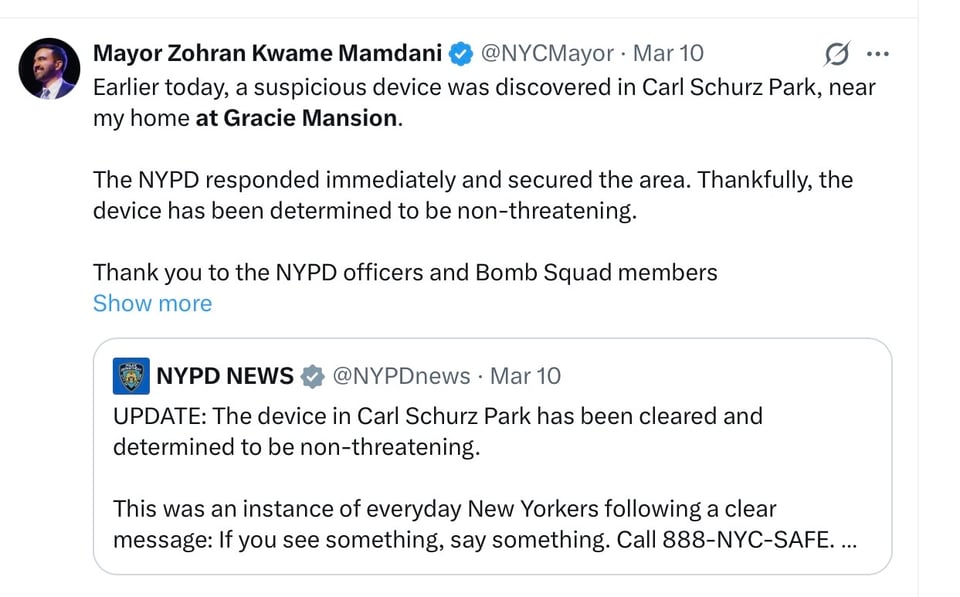
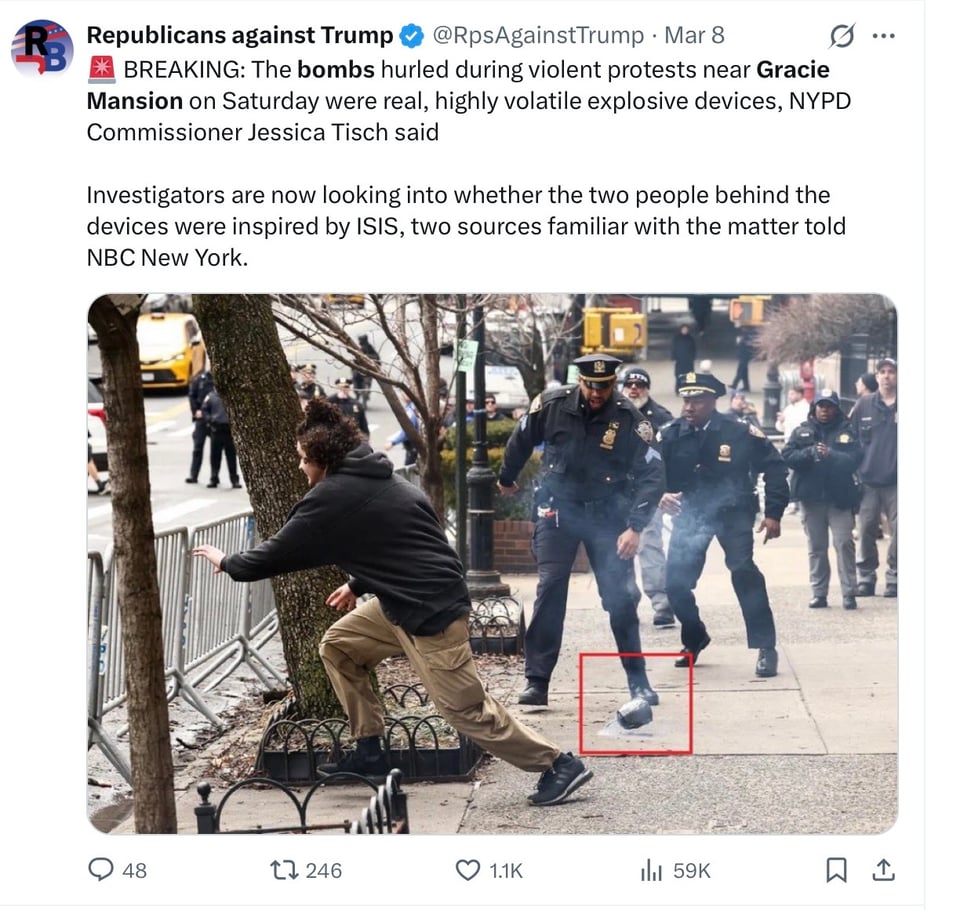
Next, two young Muslim men from Pennsylvania allegedly lit and threw at least one improvised explosive device toward the protesting crowd. Additional devices were recovered nearby, including one dropped by a suspect and another found in a vehicle. 
Police and federal investigators say the two suspects were inspired by ISIS propaganda. The two suspects were arrested and charged with terrorism-related offenses, and the FBI joined the investigation.
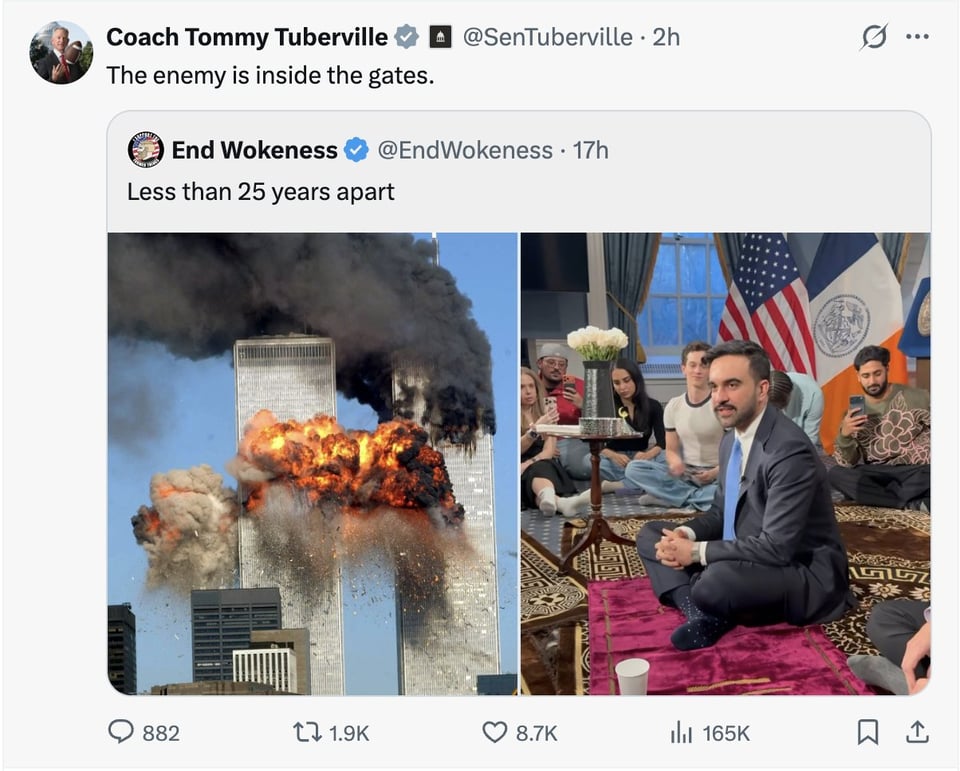
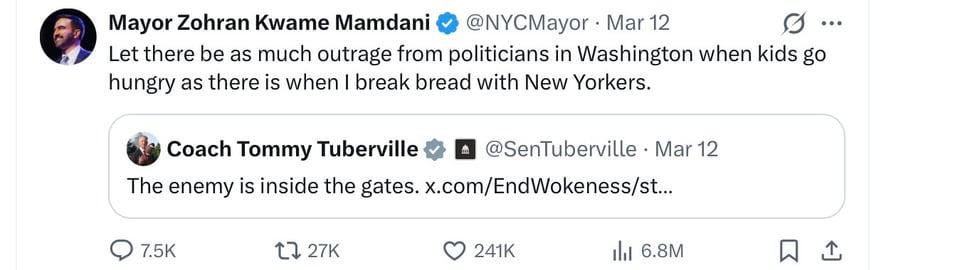
- Trump buddy Senator Tommy Tuberville has been provoking hatred against the New York City Mayor too.
Prelude to the Mid-Terms.
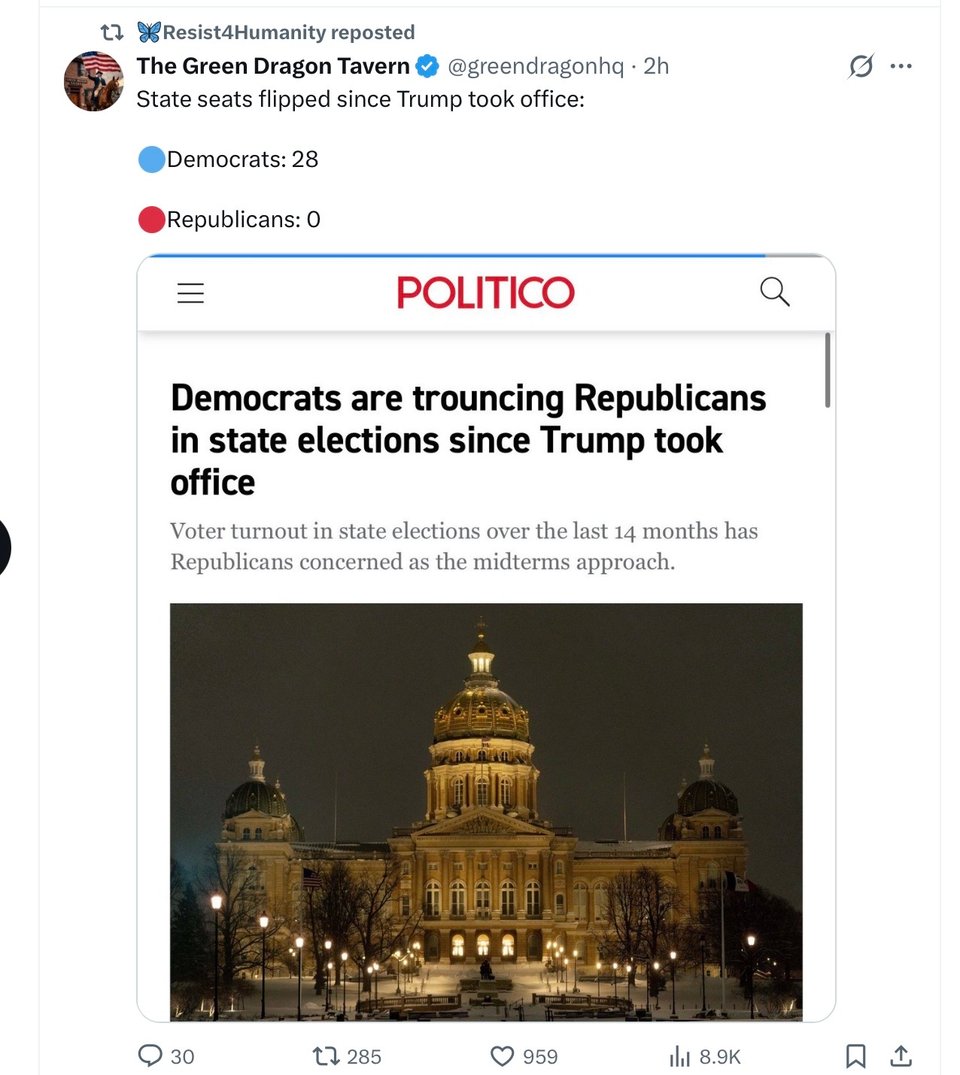

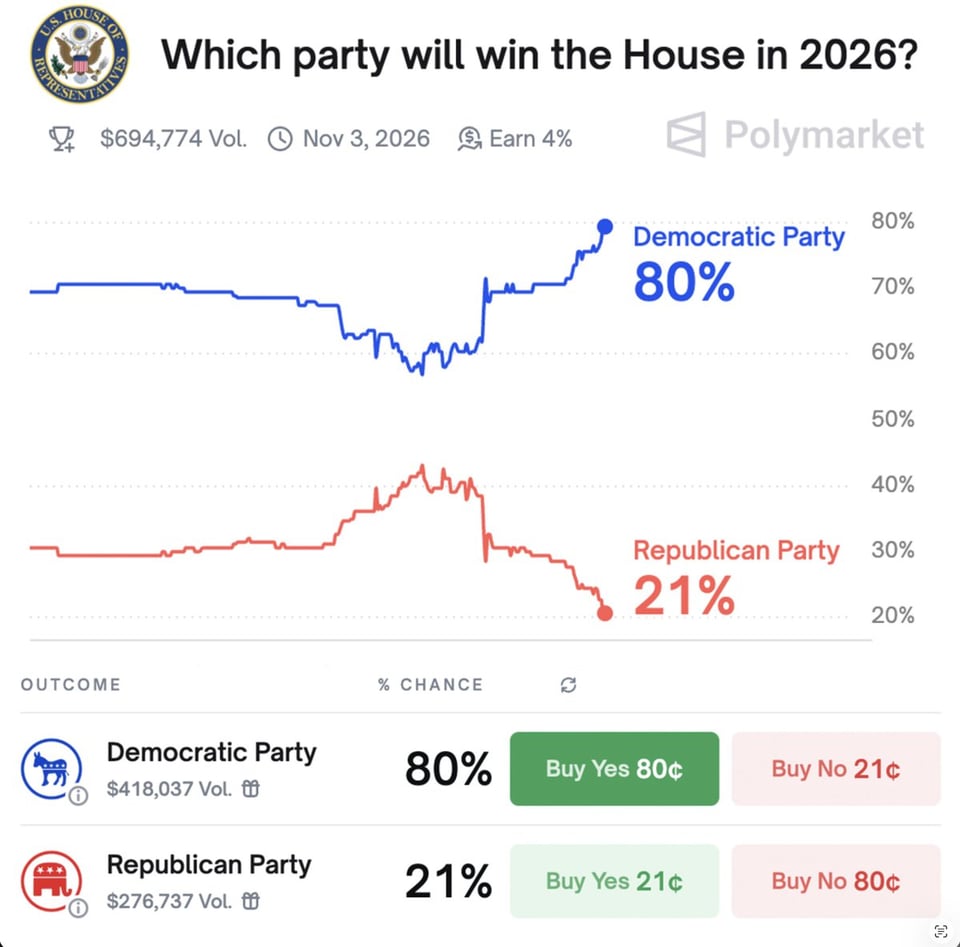

Rising gas prices from Trump’s war aren’t going to help the GOP.

Some interesting races.
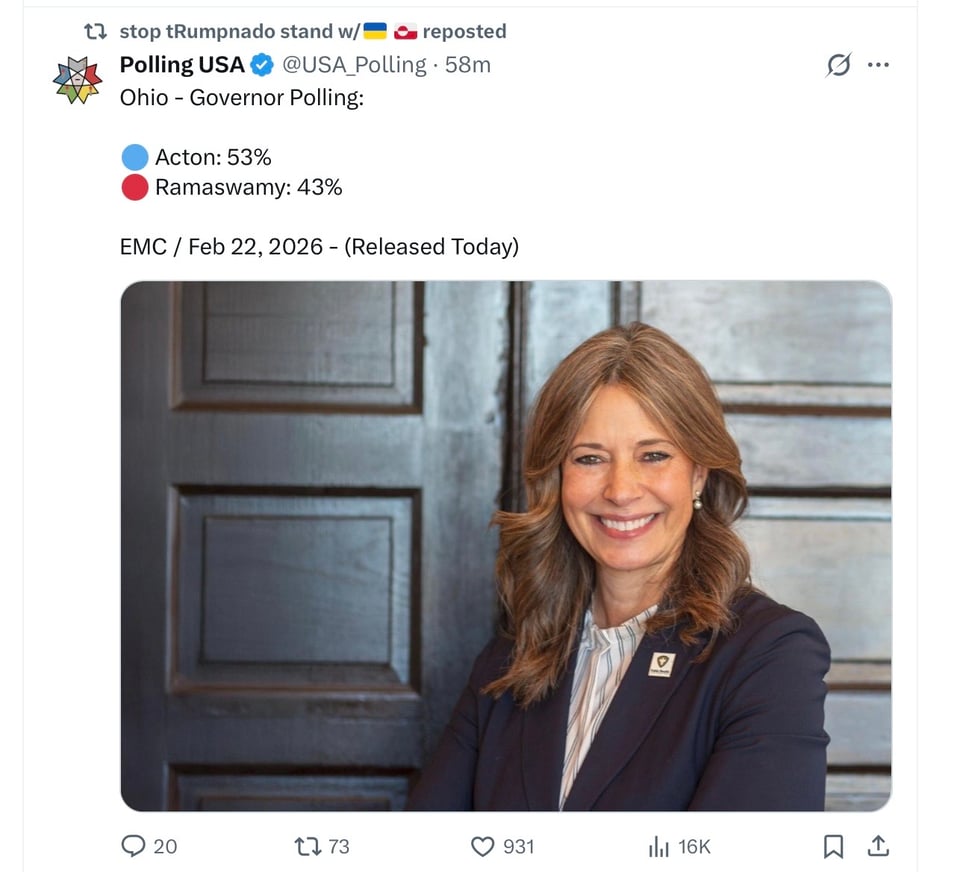
Ohio Governor.
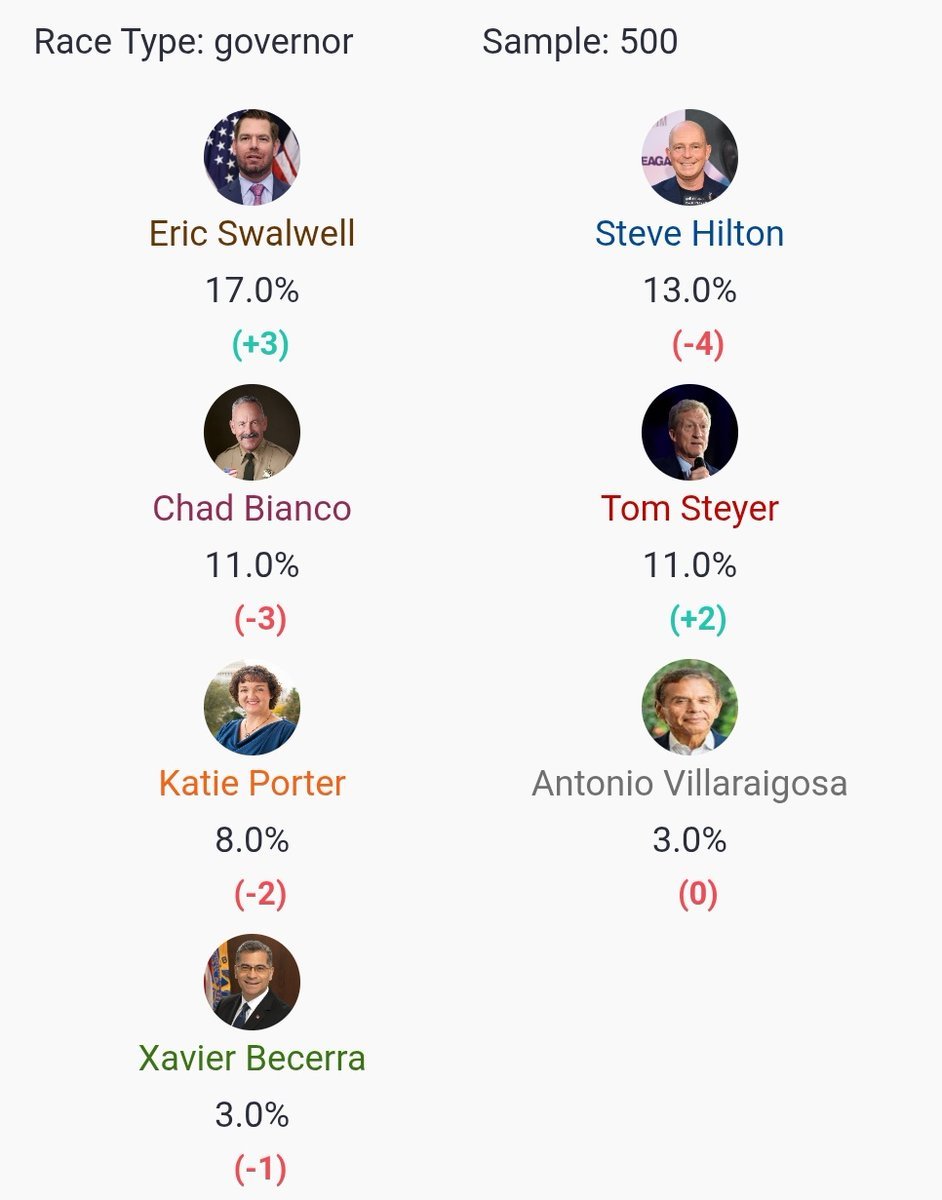
California Governor race.
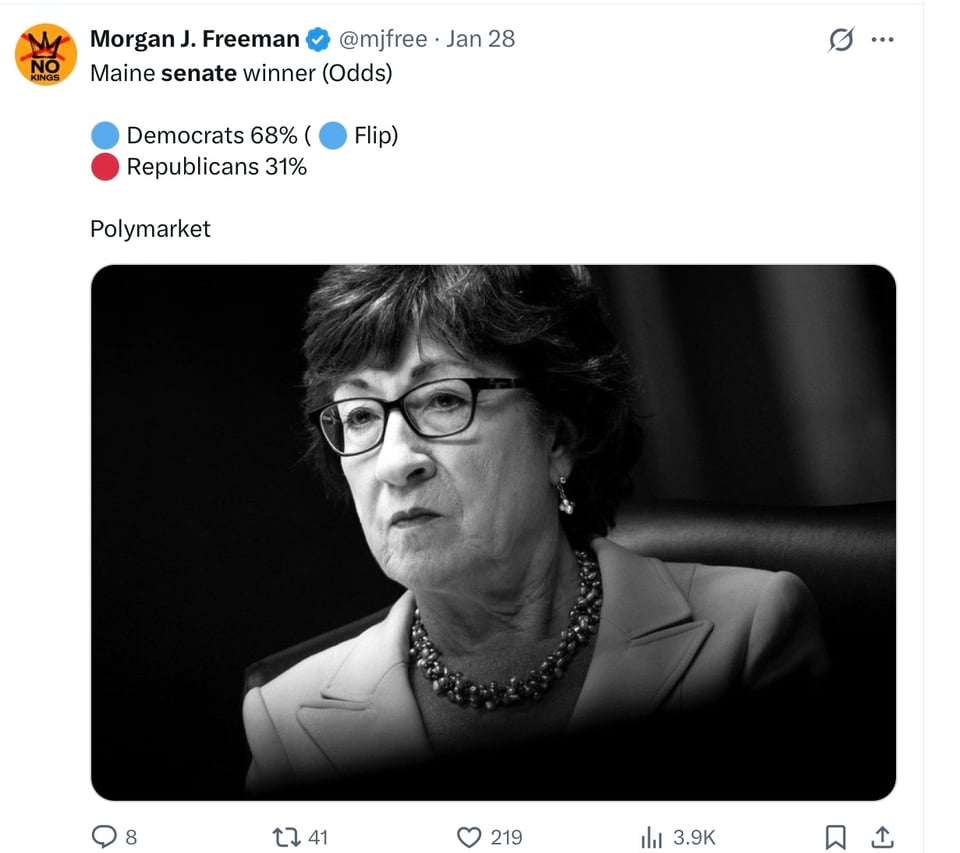
Maine. Even when the Democratic candidate is not clear.
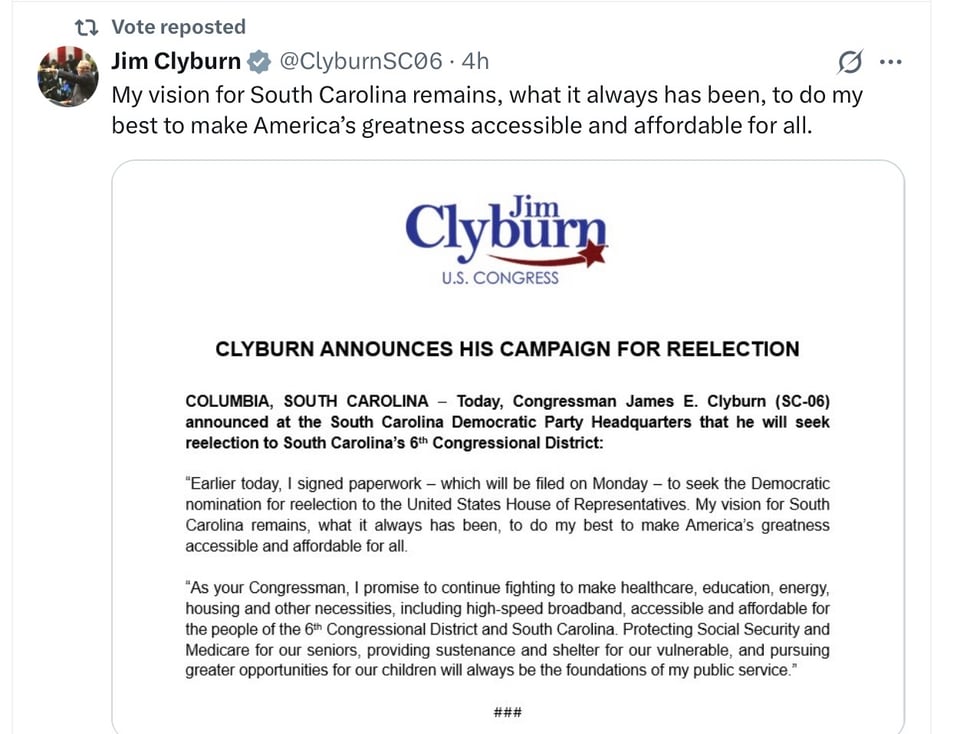
South Carolina House race.
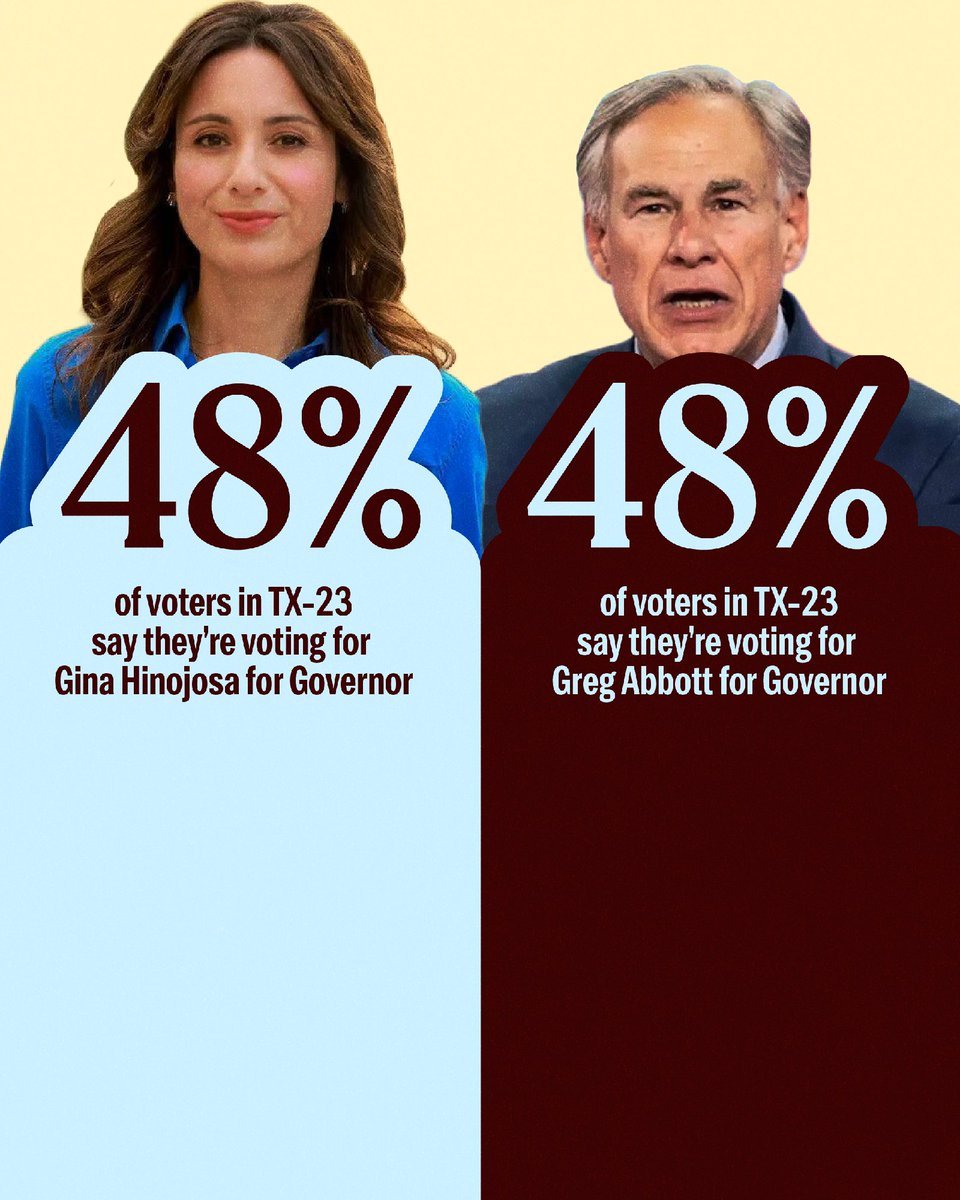
Texas Governor race.
Colorado House seat to replace Lauren Boebart.

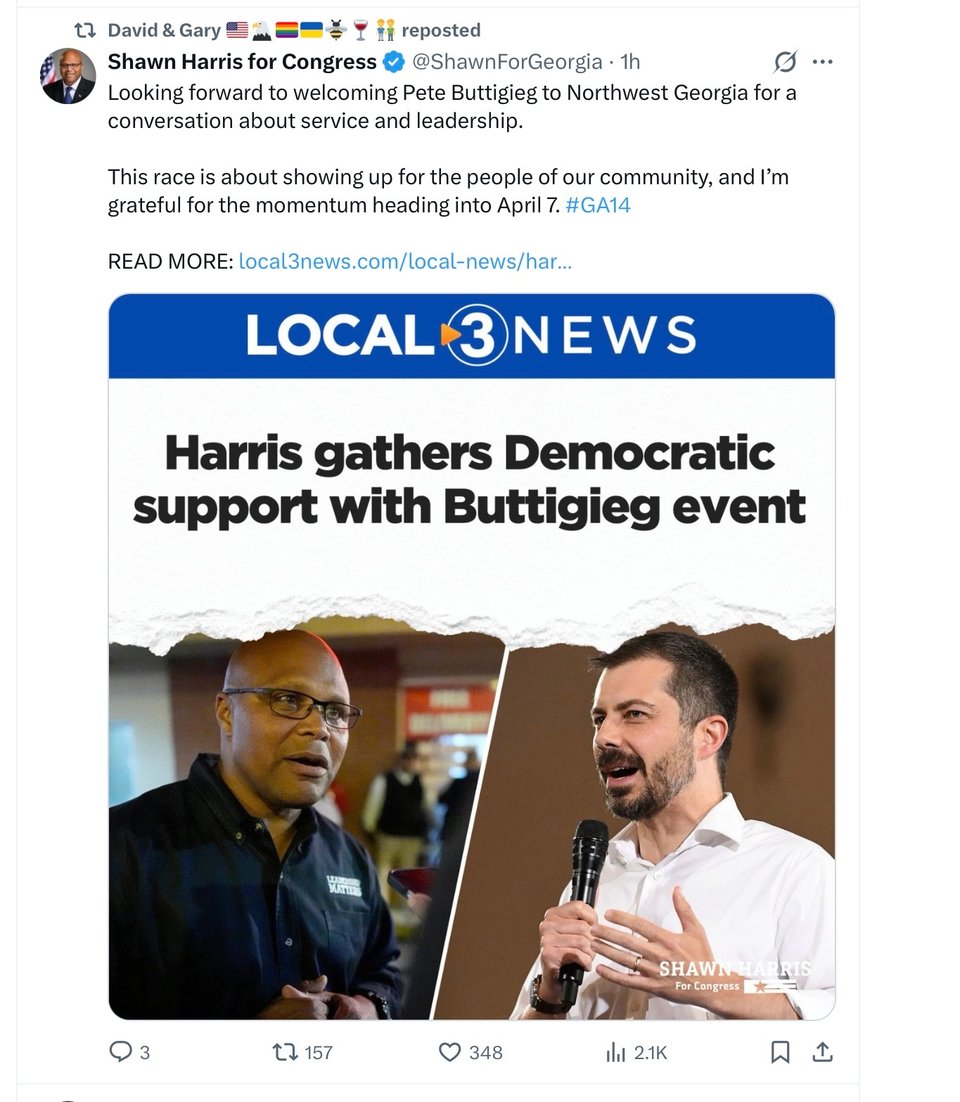
Georgia House Seat, to replace Marjorie Taylor Greene.
A Statue of Trump and Epstein Re-enacting ‘Titanic’ Pose Appears on National Mall.
The installation is the latest in a series of satirical statues created by an anonymous group of artists called the Secret Handshake.


The statue is permitted to be on the National Mall, which is overseen by the National Park Service, through Friday night, the artist said. (New York Times)
Sunday - the Oscars!
Breeding place for Naked Dresses. Yes.
There will be talk of films, actors, directors, and politics too.
How Did the Naked Dressing Trend Start?
Barely-there gowns are more popular than ever, but they aren’t necessarily new. Our critic traces the look across time.
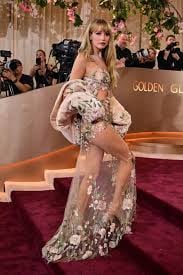
Jennifer Lawrence at the Golden Globes in a Givenchy gown strategically embroidered with flowers.Credit...Frederic J. Brown/Agence France-Presse — Getty Images.
Naked dresses seem to be everywhere. Can you trace the origins? Is it a recent phenomenon? — Gary, Schuyler, Va.
Sometimes it seems as if awards season should be renamed naked dress season. As the competition to dominate the attention economy heats up, the inclination of female celebrities — because, let’s be honest, the naked tuxedo is yet to take off — to wear less and less becomes almost impossible to ignore.
It started this year with the Golden Globes, where Jennifer Lawrence made waves in a sheer Givenchy by Sarah Burton gown strategically embroidered with flowers. It continued through the Grammys, where Chappell Roan hung her (topless) frock from her nipples and Karol G modeled sheer blue lace. And, most recently, it showed up at the Actor Awards, where Li Jun Li wore a crimson sequined column held together by only a handful of bows at each side.
Earlier there were the various premiere naked dresses seen on Dakota Johnson and Margot Robbie, and the most naked dress of all, worn by Bianca Censori, Ye’s wife, to the Grammys in 2025. That was less a dress than a scrap of transparent something and reportedly may have inspired the organizers of the Cannes Film Festival to issue last year’s ban on naked dressing. (The edict was vague enough that it didn’t entirely work.)
This can seem like a modern phenomenon, driven by the rise of smartphones and our ability to see everything at any time so that anyone seeking the spotlight has to go to ever-further extremes to stand out.
Indeed, the term “naked dress” was reportedly coined only in 1998, during an early “Sex and the City” episode when Carrie is going on her first date with Mr. Big and wears a backless nude-toned Donna Karan slip dress. “Let’s just say it, it’s the naked dress,” said Charlotte, and a whole category was born.
But unofficially, the naked dress has been with us for centuries. Going back to Lady Godiva’s naked ride through Coventry in 1040 (prompted by a deal to change her husband’s tax policies) when she was clad only in her very long hair.
In the 1920s and ’30s, naked dresses as we know them were showing up onstage and on the screen. Mae West wore a lace frock in her 1936 film “Go West, Young Man” that was similar to the vintage Jean-Louis Scherrer lace gown worn by Jennifer Lopez at the Golden Globes this year.
But the dress that really kick-started the current era of nakedness was most likely the nude-toned, curve-hugging Jean Louis creation Marilyn Monroe wore to croon “Happy Birthday, Mr. President” in 1962 (the one Kim Kardashian controversially wore to the Met Gala in 2022). Things just steamrolled from there.
In the 1960s and ’70s, Jane Birkin was famous for her see-through minis, and Cher became known for her see-through Bob Mackies. By the turn of the millennium, Ms. Lopez’s cut-to-the-navel palm tree-print Versace was so searched that it inspired the creation of Google Images. Little wonder that, at this point, the presence of at least one naked dress is practically a given in any situation that involves a red carpet.
What it all means has inspired reams of academic treatises, pop culture psychoanalyses and continuing debate: Does the omnipresent naked dress represents sexism and voyeurism at its most prurient, or are women taking ownership of their own bodies? Is it about the triumph of the male gaze or female empowerment.
Whatever the answer — and it depends on the mind and eye of the beholder as much as the intention of the wearer — one thing is inarguable: As the Oscars loom, it is likely to continue. (Vanessa Friedman, New York Times).
Have a good weekend. See you on Tuesday.