Friday, March 20, 2026. Annette’s Roundup for Democracy.
The Trump Party will do everything it can to disenfranchise voters.
Be vigilant about what is happening in your state.
The SAVE Act faces long odds in the Senate. GOP-led states are picking up the cause.
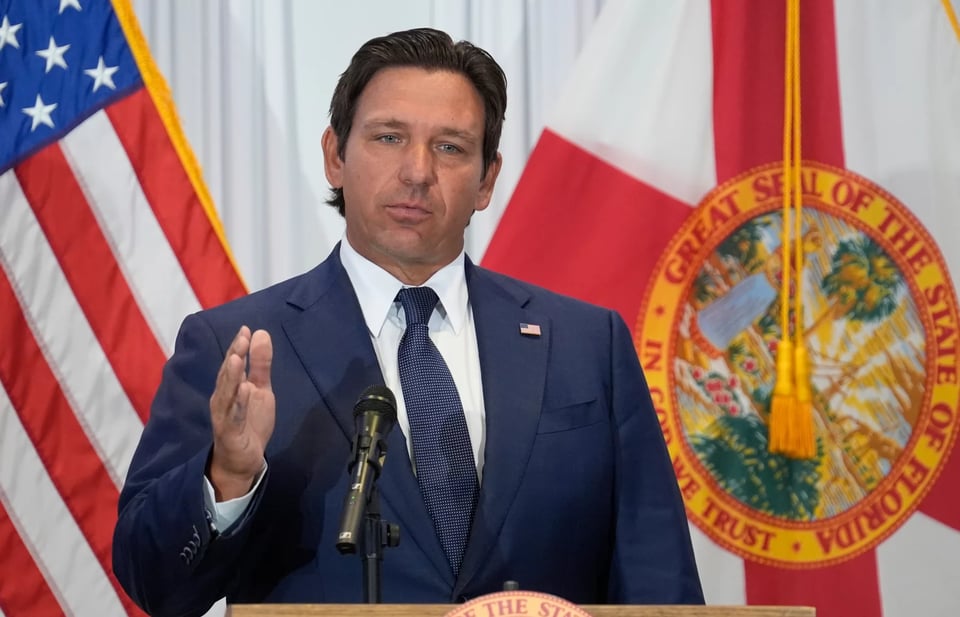
Florida Gov. Ron DeSantis, seen here on Aug. 12, 2025, said he plans to sign into law new proof-of-citizenship requirements for voter registration.
The U.S. Senate on Tuesday began consideration of the SAVE America Act, a sweeping election overhaul that would introduce new proof-of-citizenship requirements to register to vote, among its provisions.
The Republican-backed legislation is a top priority for President Trump, who has long railed — falsely — about widespread voting by non-U.S citizens. And while the bill is unlikely to overcome Democratic opposition and the Senate's legislative filibuster, GOP-led states have taken up the cause.
Proof-of-citizenship bills are now sitting on governors' desks in Florida, South Dakota and Utah. Those follow similar laws passed in recent years in Louisiana, New Hampshire and Wyoming, according to the Voting Rights Lab, which tracks election policy, and narrower measures in places like Ohio.
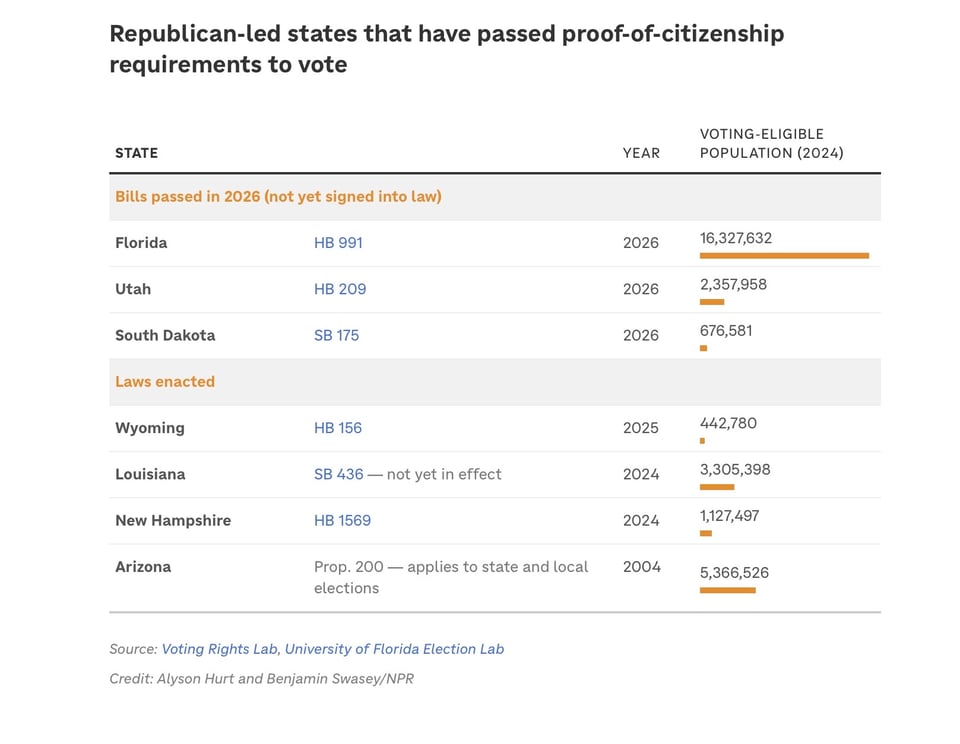
Arizona has long had a bifurcated registration system, with proof of citizenship required to vote in state and local elections. Some other state laws have been blocked by courts.
It's already illegal for noncitizens to vote in state and federal elections, and reviews have found noncitizen voting to be vanishingly rare, yet Trump and other Republicans have remained fixated on the issue in recent years. Proponents of the SAVE Act and its state-level replicas say documentary proof of citizenship is needed to maintain election security.
Opponents counter that such measures are not worth the risk of disenfranchising some portion of the millions of Americans who say they don't have easy access to documents that prove citizenship, like a valid U.S. passport or certified birth certificate — especially in the middle of a critical election year.
The SAVE America Act would take effect immediately, upending election administration. Bills in South Dakota and Utah would also take effect ahead of this year's midterms, according to the Voting Rights Lab. The main provisions in Florida's bill, however, wouldn't take effect until 2027. (NPR)
The New York Times called it a joke.
The Japanese PM wasn’t laughing when Trump brought up Pearl Harbor.
More about Cesar Chavez from Dolores Huerta, Co-Founder of the Farm Workers Union, and others.
‘We’re Just Seen as Sex Objects’: Dolores Huerta’s Years in the U.F.W.
The co-founder of the United Farm Workers talked about her relationship with Cesar Chavez, and the night he raped her.
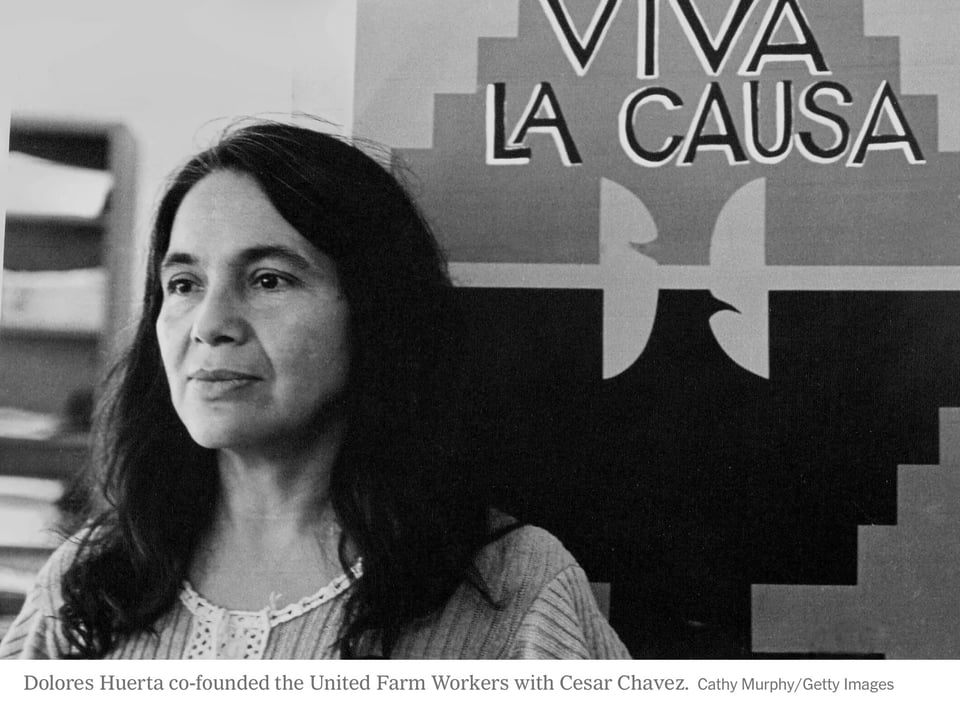
In the days after Thanksgiving in 1986, Dolores Huerta was ready to celebrate. As one of the co-leaders of the United Farm Workers union, she had spent four months in Washington lobbying lawmakers to pass the Immigration Reform and Control Act, landmark legislation that granted amnesty to millions of undocumented immigrants.
A news conference was scheduled to celebrate the victory, but Ms. Huerta said she was not made aware of the event. Instead, she said, her fellow U.F.W. leader, Cesar Chavez, told her there was a crisis in Florida that required her immediate attention. Ms. Huerta flew to Florida, only to realize that the emergency was nonexistent and no one was expecting her. She spent the next few days speaking at senior centers.
“I realized afterward they just wanted to get me out of the way so they could take credit for the work,” she said of her male co-workers in an interview last week. “Straight male-chauvinist trick, and I was really upset about that.”
In the interview, Ms. Huerta talked about the challenges she had faced as a woman in the machismo culture of the movement, which Mr. Chavez had come to dominate with the sheer force of his personality.
And in a stunning disclosure, she said that Mr. Chavez had sexually assaulted her on one occasion and manipulated her into sex on another, encounters that produced two children. A New York Times investigation detailed strong evidence that Mr. Chavez had sexually assaulted several women in the farmworkers’ movement, including two young teenagers.
Ms. Huerta and Mr. Chavez, standing together with raised fists at rallies and marches, were the public face of the Latino-led union organizing movement that swept through American farm fields in the 1960s.
Now 95, Ms. Huerta is often referred to as Grandmother of the Resistance. Her portrait hangs in some American embassies. She fought for years for better wages, maternity protections and basic safety measures for women doing the backbreaking work of planting and harvesting crops.
But in the interview, Ms. Huerta described a culture in U.F.W. under Mr. Chavez that forced her to struggle to be heard and to suppress any negative feelings she felt about him and his leadership — including the trauma of rape.
Ms. Huerta said the assault occurred in the winter of 1966, when she was at the People’s Bar and Cafe in Delano, Calif. — a well-known hangout for farmworker organizers. She was having a beer when Mr. Chavez stormed in, tapped her shoulder and asked for a word.
Assuming that the matter concerned an upcoming strike, she said, she followed him outside. It was common for them to have meetings in the car — Mr. Chavez worried that his office was bugged. He drove her to a secluded grape field on the outskirts of town, she said, and assaulted her.
She also described an earlier episode in 1960 — five years after first meeting Mr. Chavez — in which she felt pressured and manipulated into having sex with him in a hotel room during a work trip in San Juan Capistrano, in Southern California.
After the assault in 1966, she was left in a numb, shocked state, she said, but told no one. Not her friends, not her family, not even her daughter born from the assault.
She said she believed that the work of advancing rights for farmworkers was more important, and worried that publicly criticizing Mr. Chavez would tarnish the movement’s legacy and be exploited by political opponents.
“I saw him, again, as my boss, as my hero, as, you know, somebody that would do the impossible,” she said. “I never talked about it to anybody and the reason I didn’t is because I just didn’t want to hurt the movement.”
Ms. Huerta said she viewed Mr. Chavez as a contradictory figure when it came to women. He believed in promoting them, she said, but only so far.
Women ran the credit union, the clinic, the field offices. They were trusted with the operational machinery of the movement. But making the decisions that shaped the union’s direction, she said, remained out of reach. “Cesar believed in promoting women as leadership, not at the policy level, but at the work level,” she said.
It was, she suggested, a reflection of something deeper. “Women are not seen as human beings. We’re just seen as sex objects. I think it’s an illness.”
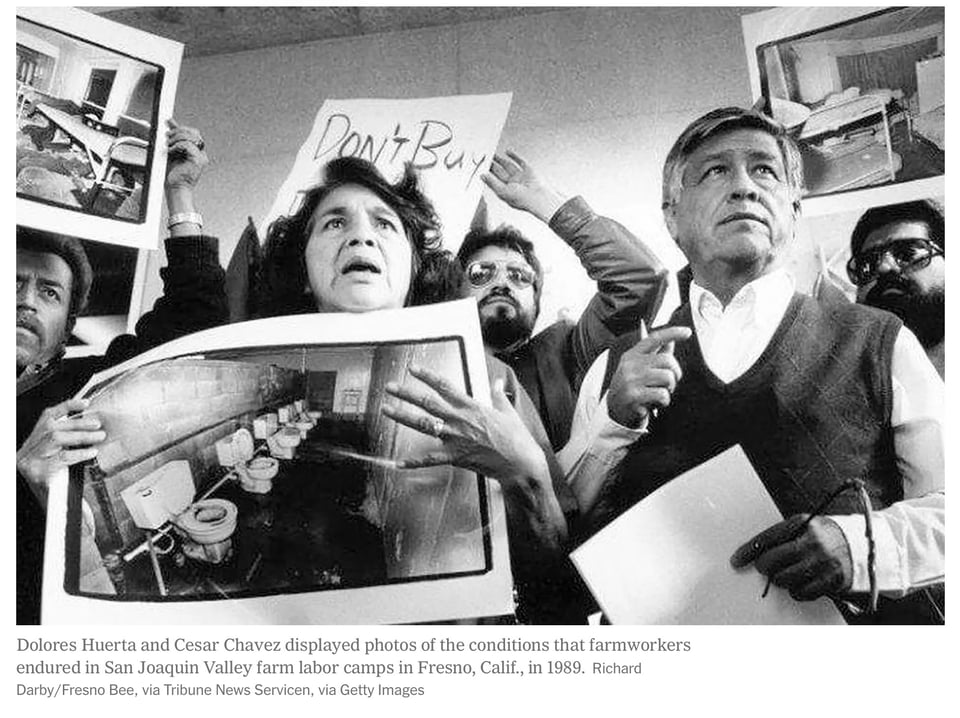
Dolores Huerta and Cesar Chavez displayed photos of the conditions that farmworkers endured in San Joaquin Valley farm labor camps in Fresno, Calif., in 1989
While several people interviewed by The Times described the relationship between Mr. Chavez and Ms. Huerta in those years as a high-stakes sibling rivalry, others described the dynamic as painful to watch and rooted in a culture that favored men.
“He was very disrespectful toward Dolores,” said Cynthia Bell, a longtime union staff member, observing that Mr. Chavez and other male U.F.W. leaders would frequently pick on Ms. Huerta in front of the entire staff.
“Don’t say nothing, dilapidated bitch,” one male union board member could be heard telling her during a meeting in April 1978, a recording of which was reviewed by The Times. He then told her to “shut up” as Mr. Chavez berated her with even worse invective.
Ms. Huerta said that she often suppressed these memories as a survival mechanism. “I kind of block those things out of my mind, but I know at the time that it was very painful,” she said.
She recalled an instance involving Father David Duran, a priest and bookkeeper who worked with the union. After witnessing a meeting in which Mr. Chavez relentlessly berated Ms. Huerta, Father Duran pulled her aside. “He came up to me and said, ‘You don’t have to take that, you know? You don’t have to take that from him,’” she remembered.
But Ms. Huerta was not afraid to push back. After one especially brutal meeting where she was insulted, she said, she left the U.F.W. headquarters and returned to her home in Stockton, Calif., for several weeks.
When she eventually returned, she did so with a renewed sense of purpose. At the next meeting, when she took a spot at the back of the room, she said, Mr. Chavez approached her and told her she didn’t belong there.
“I want to see you sitting up in front. You need to be up in the front,” she said he told her.
Years later, in the spring of 1993, Ms. Huerta recalled sitting with Mr. Chavez in Yuma, Ariz., as the song “Saturday Night Is the Loneliest Night of the Week” played on the radio.
She said Mr. Chavez confessed to her during their conversation that he realized he had treated her and another female board member differently than their male colleagues. She met his admission head-on. “Yes,” she said she told him, “it’s called machismo — it’s called male chauvinism.”
She saw it as his way of offering an apology.
Several days later, Mr. Chavez died at the age of 66 while going over a legal case. Ms. Huerta said he had been found with his glasses still on and a brochure in his hand, appearing as if he had simply fallen into a peaceful sleep.
“That took him out before he would have to face his wrongdoings,” she said.
When asked if she had forgiven him, Ms. Huerta said the judgment was not hers to make. “Well, I’m not God,” she said. “You know, I think it’s up to God.” (New York Times)
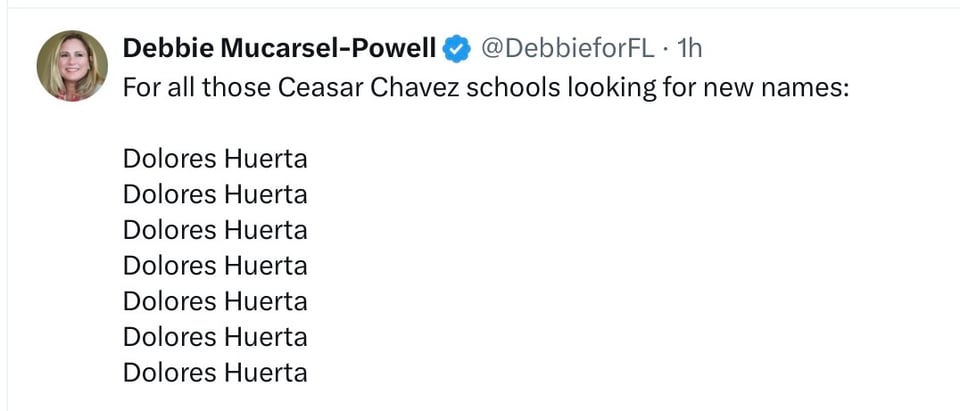
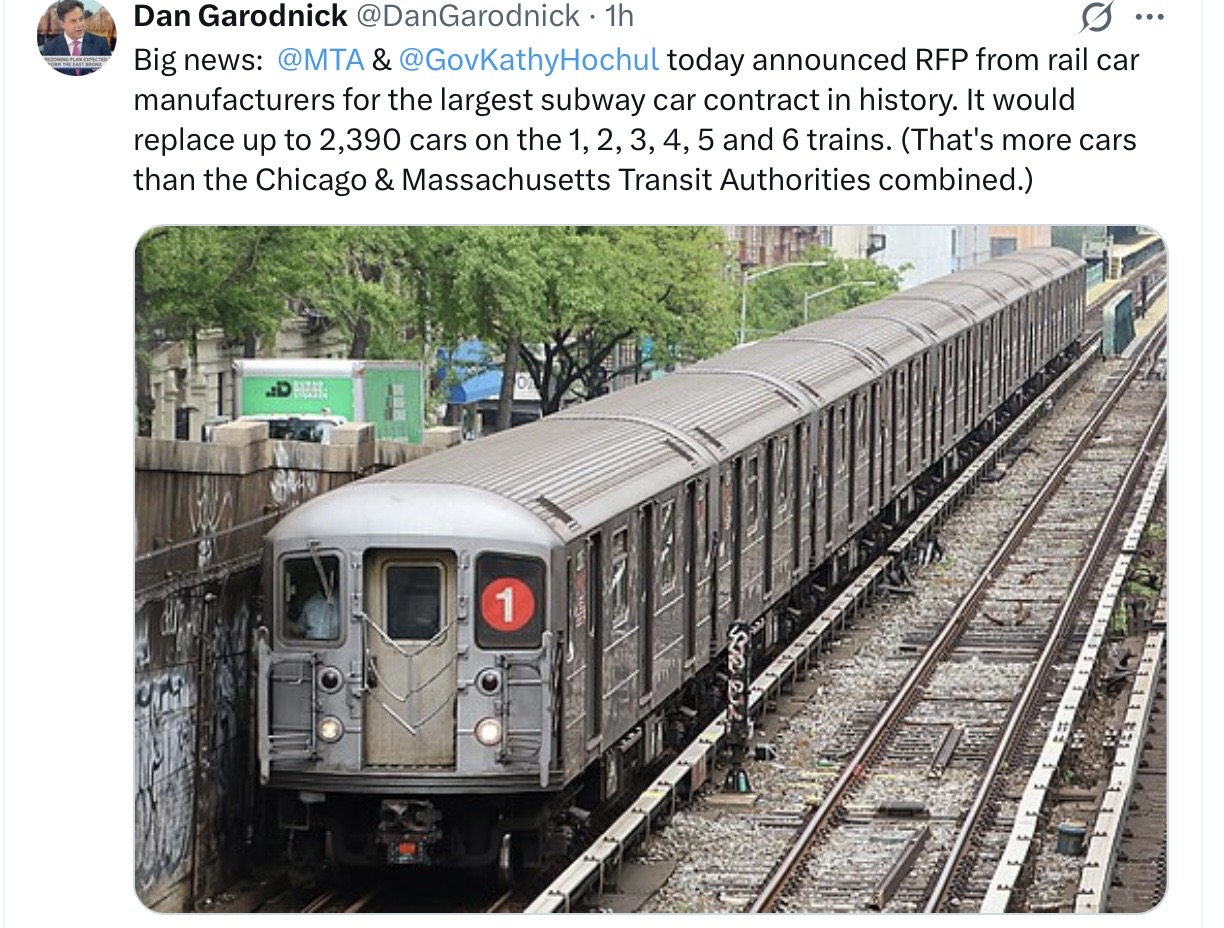
What is happening in New York?
Mayor Mamdani is happening in NYC.
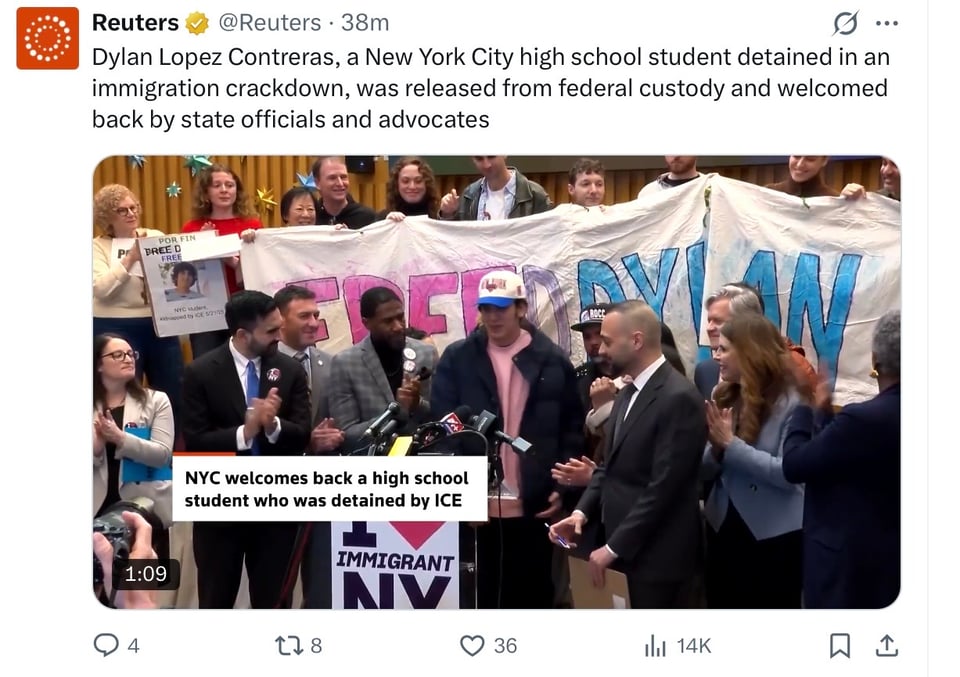
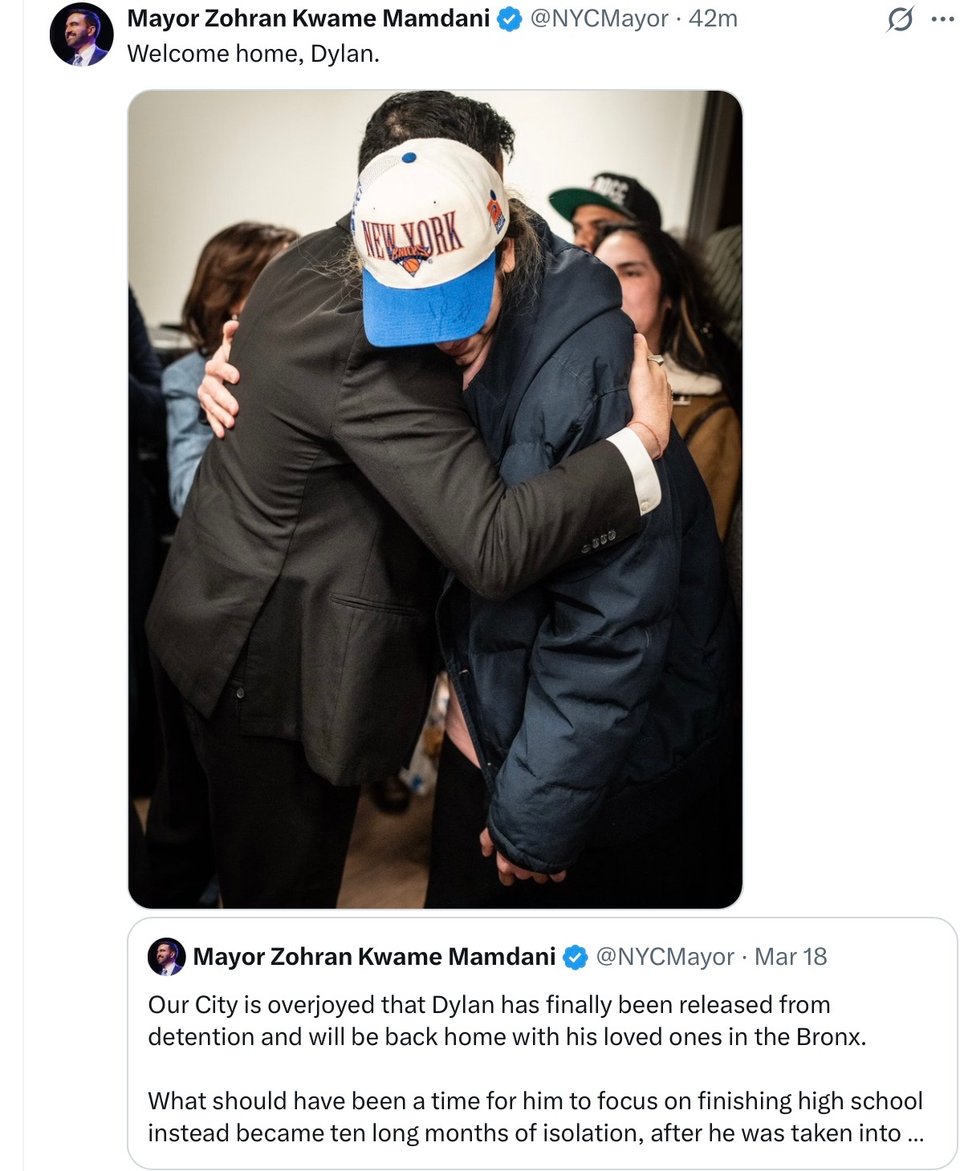
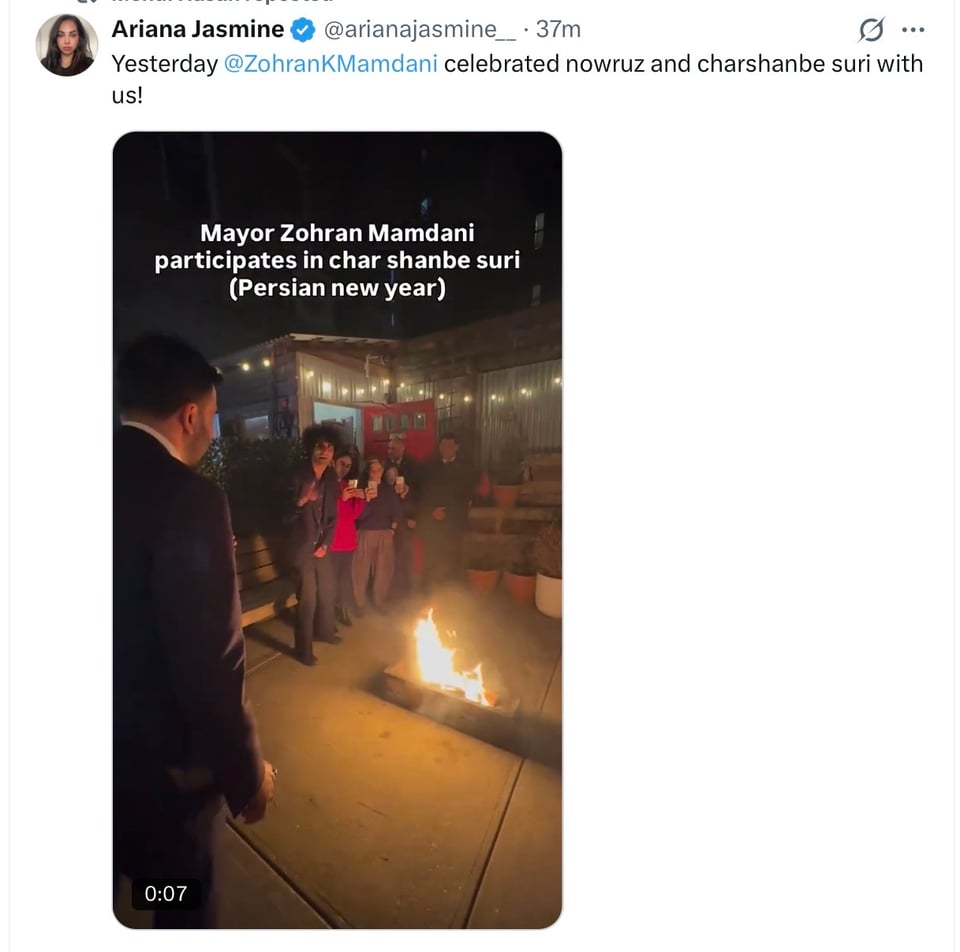
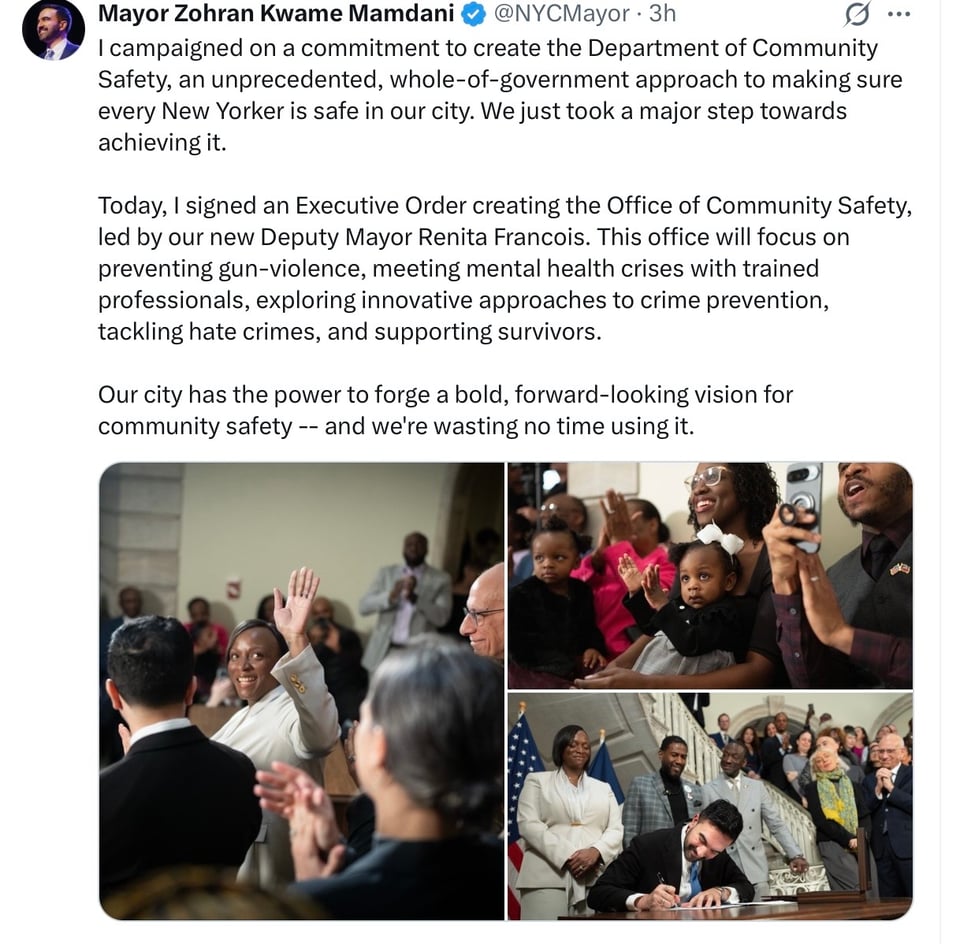
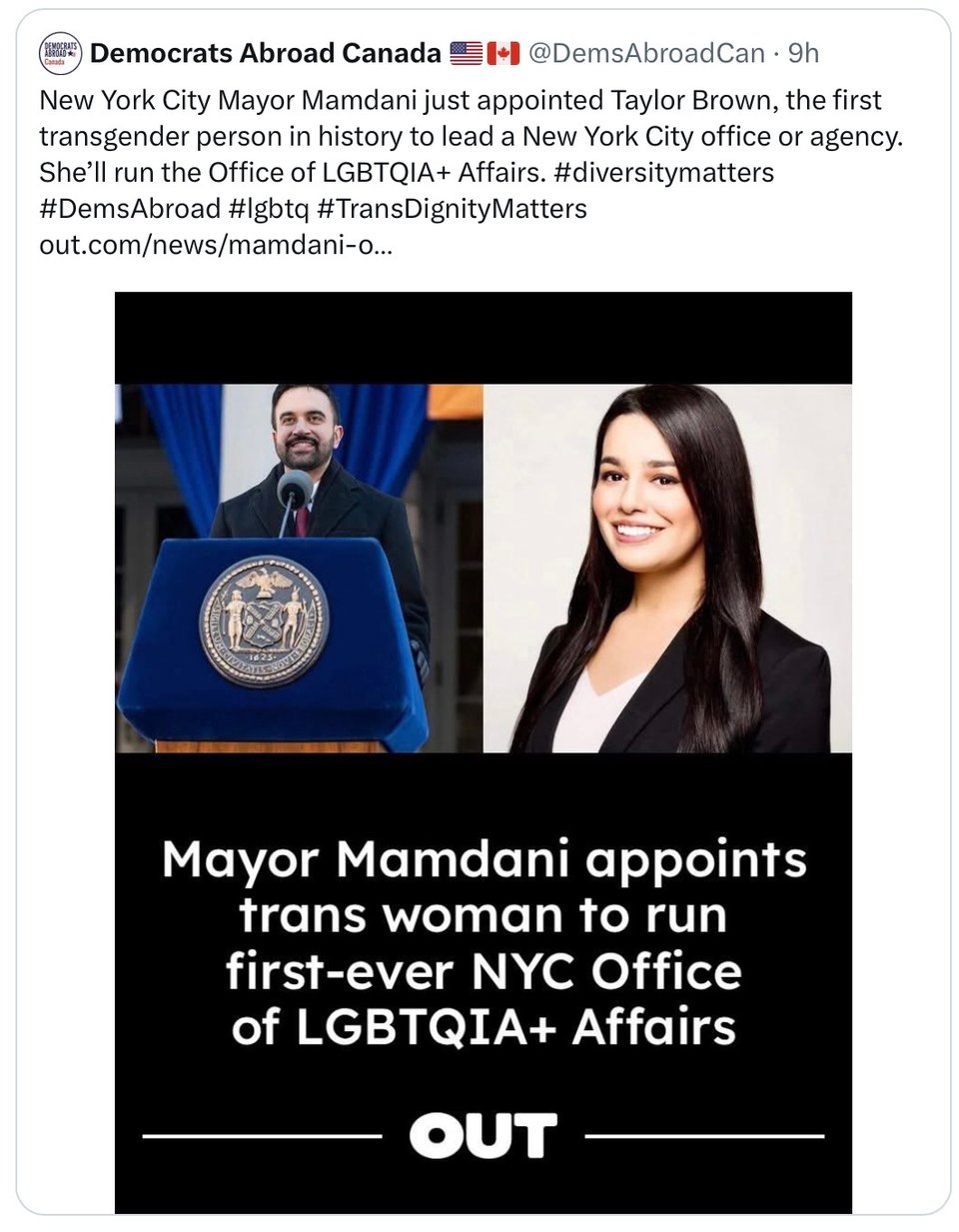
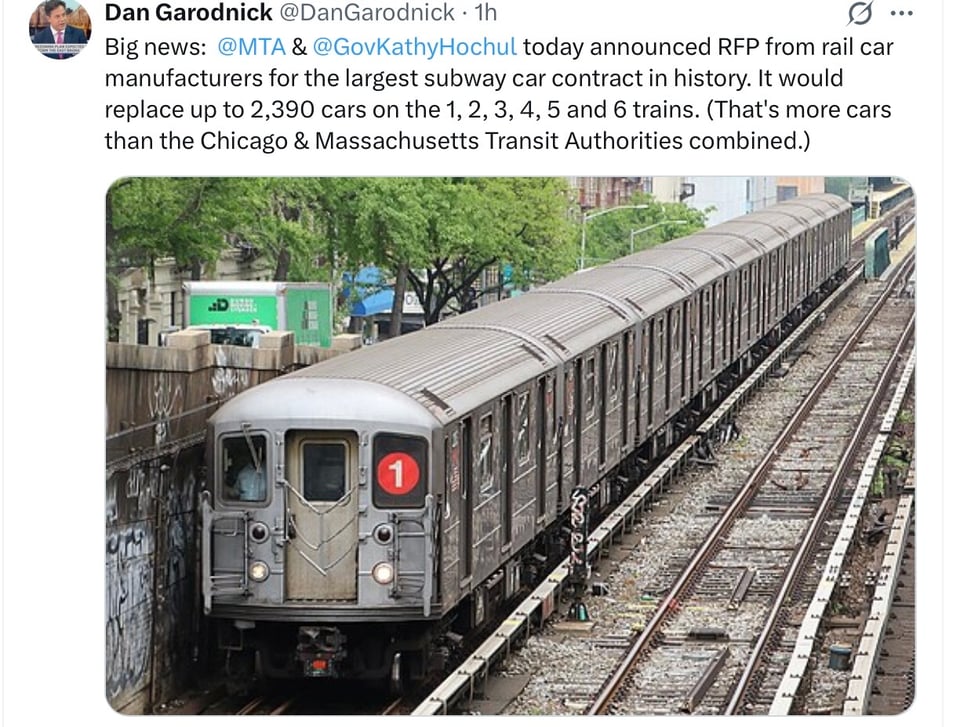
Gov. Hochul is also happening in NYC.
The Cost of Trump’s War is on our side.
Help the Senate get to ‘No’ on financing the War. A U.S. Capitol Switchboard operator can connect you directly with your specific Senator’s office. (202) 224-3121.
Republicans balk at going it alone on Iran war funding.
Key lawmakers doubt budget reconciliation is a viable path for a $200 billion Pentagon infusion.
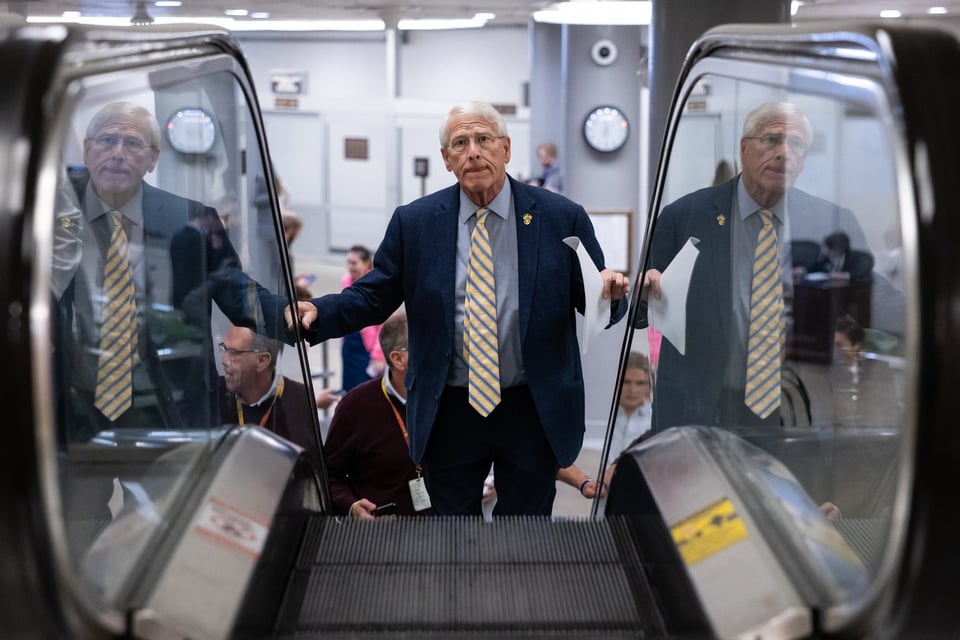
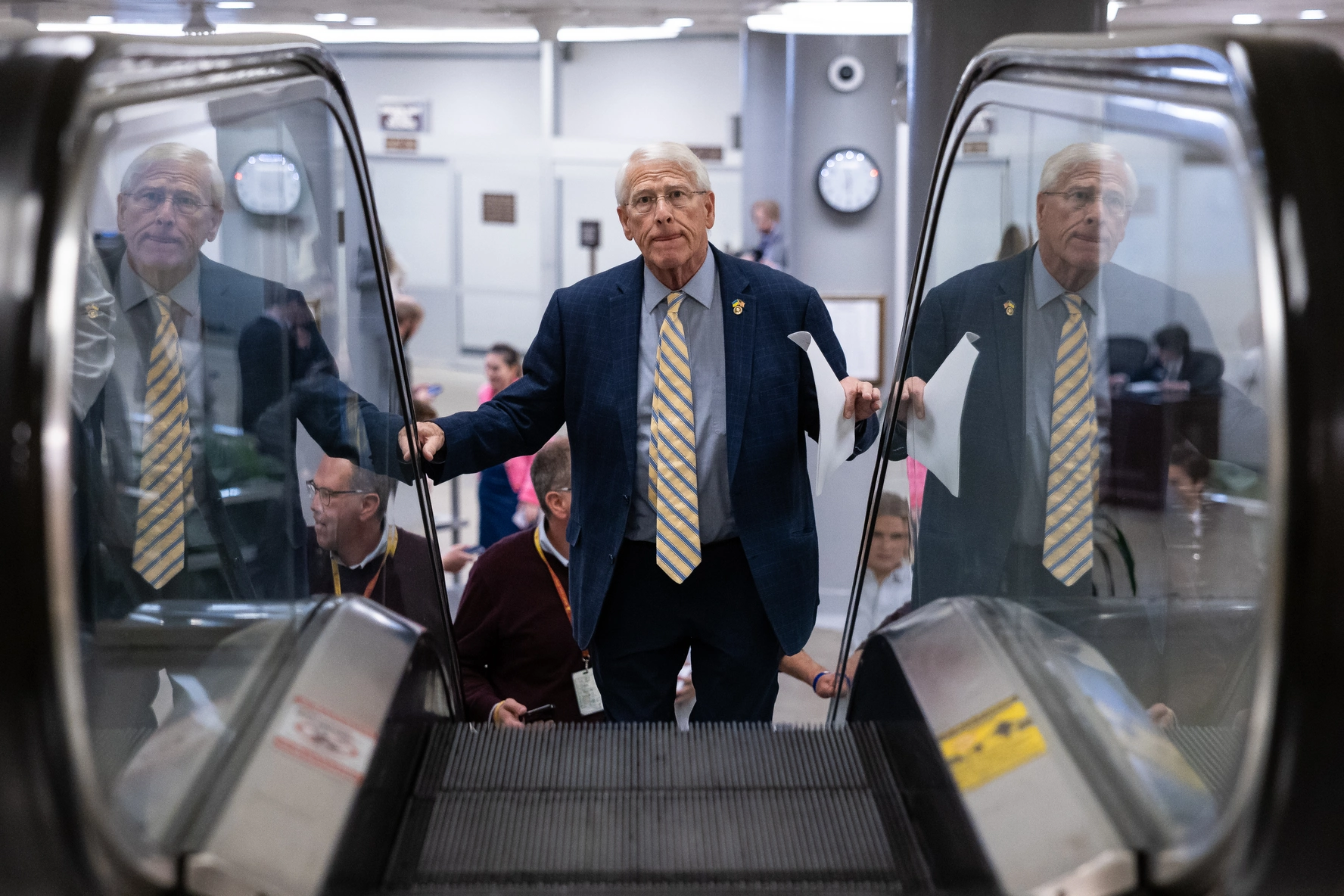
Senate Armed Services Chair Roger Wicker (R-Miss.) said using reconciliation to pass war funding would be "a contortion."
Congressional Republicans are confronting serious doubts they can pass Iran war funding on their own, especially as the potential price tag balloons into the hundreds of billions of dollars.
The alternative — relying on a handful of Democrats to push it through the Senate — doesn’t look any more likely as Middle East hostilities expand, energy prices rise and more Democratic lawmakers dig in against an unpopular war.
In recent weeks, some in the GOP floated using the party-line budget reconciliation process to give the Pentagon a slug of new money without needing to gather 60 votes in the Senate. But the revelation that a war funding request could reach $200 billion has quickly cooled those hopes, given the political complications of finding offsets for the spending and the procedural gyrations it would require.
“It’s such a contortion to make things fit in reconciliation that there’s probably a preference for regular order,” Senate Armed Services Chair Roger Wicker (R-Miss.) said in an interview. The fresh doubts come on top of long-running warnings from at-risk Republican lawmakers that pursuing another party-line bill could force them into a politically painful position in the months ahead of the midterms. Spending tens or hundreds of billions of dollars on the war could lead Republicans to further slash safety-net programs as they did in last year’s “big, beautiful bill” — creating a messaging bonanza for Democrats.
“It’s not going to happen,” one House Republican, granted anonymity to speak candidly, said of a second reconciliation bill. “Certain people have to talk about it as a possibility and keep the issue alive.”
But many House Republicans argue that a party-line bill is the only viable option to deliver the war funding President Donald Trump wants.
As they quietly consider whether to send more U.S. troops to the Middle East, Trump and Defense Secretary Pete Hegseth each declined Thursday to dispute reports that the Pentagon is seeking a $200 billion request after it was first reported by the Washington Post.
“It’s a small price to pay to make sure that we stay tippy-top,” the president said in the Oval Office, adding that the military needs “vast amounts of ammunition” to fulfill its mission in Iran and elsewhere around the globe.
House GOP leaders and committee chairs discussed the possibility of adding military funding to a potential party-line bill during a closed-door meeting at their policy retreat in Florida last week.
“Can we accomplish his priorities in regular order in appropriations? I think it would be unlikely, because I don’t think Democrats are interested in supporting military spending right now,” House Budget Chair Jodey Arrington (R-Texas), a longtime reconciliation cheerleader, said in an interview this week.
At the moment, “unlikely” is underselling the depth of Democrats’ aversion to funding the war. Even those senators who aren’t summarily ruling out support for an emergency funding bill say they would not possibly entertain it under the current circumstances.
“I’ve got to see the details,” said Maine Sen. Angus King, an independent who caucuses with Democrats. “To be honest, it’s going to be hard for me to support it because I think this war was a mistake, wasn’t justified, hasn’t been supported by the Congress.”
The sky-high $200 billion figure — which exceeds the Pentagon funding in last year’s GOP reconciliation bill and is higher than any supplemental funding bill enacted in the post-9/11 era — has some Republican hard-liners eager to pursue another budget reconciliation bill. Many argue it would pave the way for big cuts to domestic spending they oppose, including potentially Medicaid and other social programs.
“It would be very difficult to pass a very large supplemental without it being paid for,” said Rep. Andy Harris (R-Md.), chair of the House Freedom Caucus. “There are hundreds of billions of dollars we can still save in fraud, waste and abuse in reconciliation.”
Senate GOP appropriators are hoping to build bipartisan buy-in for Pentagon funding and see disaster aid and farm assistance as potential sweeteners for Democrats. Others are now floating attaching Ukraine aid, something with broad Democratic support and uneven GOP buy-in.
Still others, including Sen. Lindsey Graham (R-S.C.), simply want to dare Democrats to vote against funding the military. “I’d hate to be the senator who denied the request ... because you’ve got troops in harm’s way,” he said.
So far, most Democrats do not appear to be cowed by the threats or interested in horse-trading.
“Look, pinning us against our own interests isn’t something I’ll support,” said Rep. Mike Quigley (D-Ill.), a strong advocate for Ukraine aid.
House GOP leaders declined to tip their hand Thursday as they awaited a formal request from the White House, as well as Trump’s fiscal 2027 budget plan. House Majority Leader Steve Scalise said war funding would be a matter of “negotiation” at some point, “but it hasn’t started yet.”
House Appropriations Chair Tom Cole (R-Okla.) cautioned that the discussions are “all speculative” for the time being while acknowledging reconciliation “might be the only way” to get Pentagon money through the Senate.
Across the Capitol, top Senate Republicans aren’t yet seriously considering trying to pass war funding on party lines — underscoring the longstanding split between House and Senate GOP leaders over how far they should go to pursue an election-year reconciliation bill.
The reticence among some Senate Republicans, according to three people granted anonymity to disclose private thinking, is that there isn’t yet a clear proposal that could get 50 GOP votes. Conservatives, they say, are floating an array of proposals that don’t have broader buy-in and could run afoul of the Senate’s strict reconciliation guidelines. And they expect a second bill would reopen the party’s old wounds over offsetting spending cuts.
“I’ll try and insist that we pay for it,” said Sen. Ron Johnson (R-Wis.), one of the party’s loudest deficit hawks.
But without a party-line package, Senate Republicans will have to convince enough Democrats to reach the 60-vote threshold, and they appear to be nowhere close.
“This administration needs to tell Congress definitely what they’re doing and how long this is going to take,” said Sen. Patty Murray of Washington, the top Appropriations Democrat. “We’re not going to write them a blank check.” (New York Times)