Friday, July 24, 2026. Annette's Roundup for Democracy.
This makes me sick.
What is Trump’s most damaging legacy?
Encouraging hatred among people in our nation and world-wide?
Or re-starting war, even nuclear war, as an ordinary operation of government?
Reuters reports that Trump’s deal with the Saudis still needs Congressional approval.
Get on the phone and call your own and another Senator. (202) 224-3121. The Senate Switchboard swill connect you directly with each Senator's office.
U.S.-Saudi Deal Prompts Fears of a Global Nuclear Arms Race.
In Europe, Asia and the Middle East, countries seek nuclear capabilities to hedge against aggressive neighbors and a receding Washington, potentially creating a more freewheeling era.
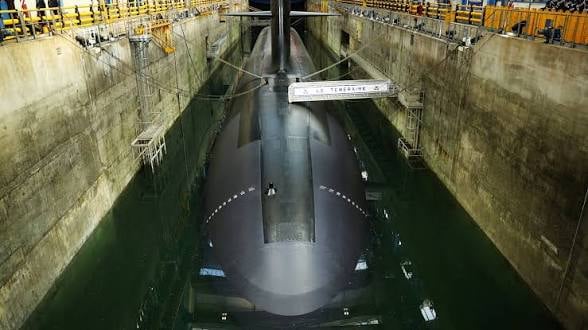
A French nuclear submarine. France has expanded its nuclear deterrence to cover some allies as the United States has pulled back on European security.Credit...Pool photo by Yoan Valat.
When President Dwight D. Eisenhower went to the United Nations in 1953 to offer countries nuclear technology and know-how in return for a promise to use them peacefully, the policy went by a memorable shorthand, “Atoms for Peace.” Seven decades later, it could go by a less idealistic name: nuclear hedging.
President Trump’s civil nuclear agreement with Saudi Arabia, announced this week, reflects a volatile world in which America’s allies are seeking nuclear capabilities to hedge against predatory neighbors, harmful energy disruptions and the shrinking security umbrella of the United States. It also reflects a White House, hungry for lucrative deals for American companies, that is willing to loosen nonproliferation standards for a favored partner in a dangerous region.
Saudi Arabia’s deal could eventually allow it to enrich fuel for nuclear reactors and limit the sites that international inspectors could visit to ensure its peaceful intent. Both of those concessions, unheard-of in recent American civil nuclear agreements, will feed fears that the Saudis could pivot to a nuclear weapons program.
Crown Prince Mohammed bin Salman, the de facto Saudi leader, has made no secret of that possibility. If Iran obtains a nuclear bomb, he has warned, the Saudis will follow suit.
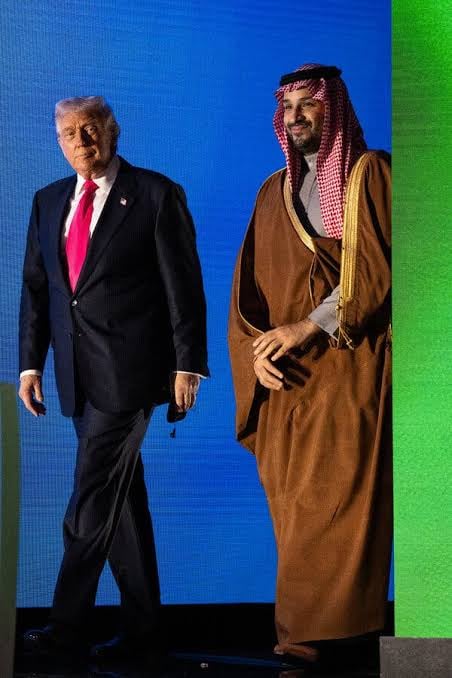
President Trump and Prince Mohammed bin Salman, the de facto Saudi ruler, in November. Saudi Arabia’s deal could eventually allow it to enrich fuel for nuclear reactors and limit the sites that international inspectors could visit.Credit...Haiyun Jiang/The New York Times
“We’re back in an era of nuclear hedging,” said Vipin Narang, a professor of nuclear security and political science at the Massachusetts Institute of Technology. “You’ve got a lot of nervous countries facing a deteriorating security situation who are unsure they can rely on their formal or informal protectors.”
“We’re going to see a cascade of states looking for the capacity to pursue a military program” that could yield a weapon, said Professor Narang, who worked on nuclear policy in the Pentagon during the Biden administration.
Gary Samore, a professor of politics at Brandeis University who advised on arms control negotiations in the Obama and Clinton administrations, said those countries were sometimes referred to as “friendly proliferators.”
Not all, or even any, of them will ultimately pursue a bomb, the experts said. The last country to enter the club of nuclear-armed states was North Korea in 2006. But it does suggest a risky new period, in which the global nuclear market could become more freewheeling and less rulebound. Nuclear buyers, rattled by the shift in the global posture of the United States, are likely to make greater demands, while rival sellers, like Russia and China, could seize on the Saudi precedent to grant them.
“It’s very connected to the damage Trump has done to credibility of the U.S. as a guarantor of security,” Mr. Samore said.
In countries such as Germany and Poland, South Korea and Japan, governments without nuclear weapons are debating the need to pursue them. South Korea, menaced by the nuclear-armed North, has initiated a plan to develop a fleet of nuclear-powered submarines, with the support of the United States.
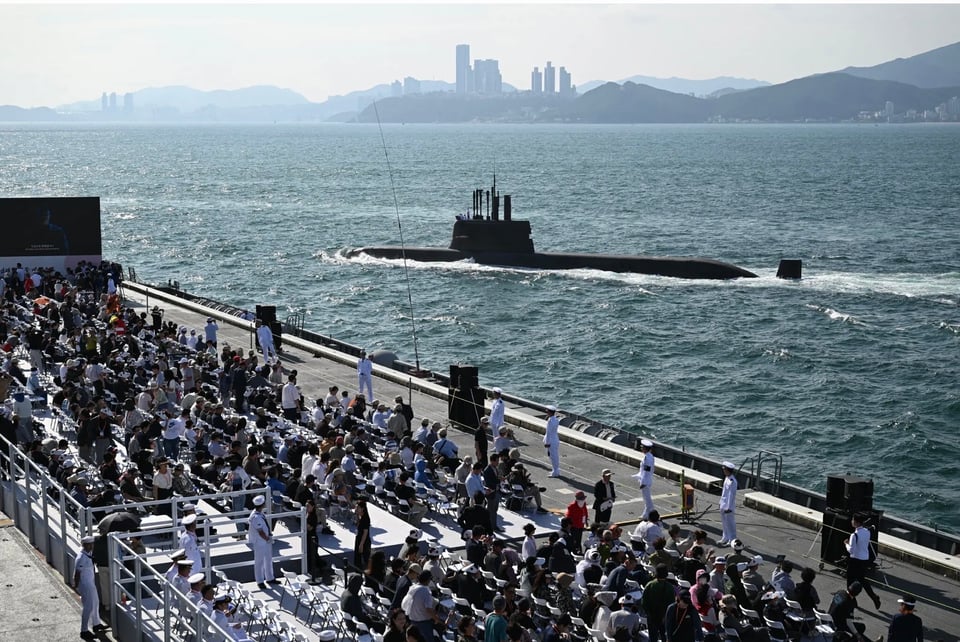
A navy fleet review in Busan, South Korea, last year. Seoul plans to develop a fleet of nuclear-powered submarines.Credit...Jung Yeon-Je/Agence France-Presse — Getty Images
The Japanese defense minister, Shinjiro Koizumi, said this week that his country needed to confront the role of nuclear weapons in its defense, despite a longstanding aversion rooted in the wartime destruction of Hiroshima and Nagasaki.
Poland’s president, Karol Nawrocki, has said that his country should pursue a nuclear program, while Chancellor Friedrich Merz of Germany has joined a high-level nuclear steering group with France and other European countries.
France, which along with Britain is one of Western Europe’s two nuclear powers, has vowed to expand its arsenal and offer a form of extended deterrence to its neighbors to compensate for Mr. Trump’s pulling back. In a show of cooperation, Paris recently sent a nuclear-capable fighter plane to a German air base.
“The next half-century will be an age of nuclear weapons,” President Emmanuel Macron of France said in March. He was announcing the shift in his country’s nuclear doctrine to one of “forward deterrence” — the use of France’s nuclear weapons to prevent attacks on territories beyond its own borders.
During that speech, Mr. Macron spoke of a world filled with nuclear flash points: India, Pakistan, North Korea and China. But experts said that France’s offer of deterrence to European neighbors could mitigate the interest of allies in acquiring nuclear capabilities. While a French nuclear umbrella would not be a replacement for the one provided by the United States, it could still act as a deterrent.
“The best nonproliferation tool the U.S. ever had is its military alliances,” said Matthew Fuhrmann, a professor of security studies at the University of Texas. “If the U.S. did not extend nuclear protection to as many countries as it did, we’d be in a world with more nuclear weapons states.”
France’s stepped-up role, he said, would reduce the risk of other European countries seeking a weapon. “But I don’t think it lowers their desire to hedge,” he added, noting that merely having a civil nuclear program gives countries leverage with nuclear powers like the United States.
There is an irony to France’s playing a moderating role, given that historically, the country has been one of the most prolific sellers of nuclear technology. France helped to build nuclear programs in Israel, Iraq and Pakistan.
The pace of civil nuclear agreements had fallen off in recent years, Professor Fuhrmann said, in part because the global demand for nuclear energy plummeted after the Fukushima nuclear accident in Japan in 2011. But worries about energy security surged after Russia’s invasion of Ukraine in 2022 and jumped again after the American-Israeli war against Iran prompted Tehran to halt marine traffic in the Strait of Hormuz.
In striking a deal with the United States, Saudi Arabia is following in the footsteps of the United Arab Emirates, which signed a civil nuclear agreement with the Obama administration in 2009. That deal did not allow the Emirates to enrich nuclear fuel, cutting off its pathway to producing a weapon, and provided for stringent inspections. Experts labeled it the “gold standard” for nonproliferation.
In addition to easing those restrictions, Mr. Trump dropped a condition pressed by his predecessor, President Joseph R. Biden Jr., that Saudi Arabia normalize relations with Israel. Analysts said those concessions reflected Mr. Trump’s recognition that the U.S.-Israeli war against Iran had destabilized Saudi Arabia and the region.

An air base in Germany this month. In a show of cooperation, France recently sent a nuclear-capable fighter plane to its European neighbor.Credit...Rolf Vennenbernd/picture alliance, via Getty Images
The pace of civil nuclear agreements had fallen off in recent years, Professor Fuhrmann said, in part because the global demand for nuclear energy plummeted after the Fukushima nuclear accident in Japan in 2011. But worries about energy security surged after Russia’s invasion of Ukraine in 2022 and jumped again after the American-Israeli war against Iran prompted Tehran to halt marine traffic in the Strait of Hormuz.
In striking a deal with the United States, Saudi Arabia is following in the footsteps of the United Arab Emirates, which signed a civil nuclear agreement with the Obama administration in 2009. That deal did not allow the Emirates to enrich nuclear fuel, cutting off its pathway to producing a weapon, and provided for stringent inspections. Experts labeled it the “gold standard” for nonproliferation.
In addition to easing those restrictions, Mr. Trump dropped a condition pressed by his predecessor, President Joseph R. Biden Jr., that Saudi Arabia normalize relations with Israel. Analysts said those concessions reflected Mr. Trump’s recognition that the U.S.-Israeli war against Iran had destabilized Saudi Arabia and the region.
"This deal is a tangible confirmation of the erosion of trust and confidence in Washington as a result of the Iran war,” said Suzanne Maloney, an expert on Iran who is vice president and director of the Foreign Policy program at the Brookings Institution, a research organization in Washington.
“Gulf leaders have no realistic alternative to the U.S. security umbrella,” she added, “but they also are seeing firsthand evidence of its limitations and liabilities. So they are determined to expand their autonomy and capabilities.”
The war against Iran is another disincentive for countries to pursue a weapons program. With its nuclear facilities lying under rubble, whatever ambitions Iran has to produce a bomb have been set back. But even that could cut both ways, since other aspiring nuclear powers could conclude that the best way to avoid such pre-emptive strikes is to achieve nuclear status as quickly as possible.
Conceding benefits to Saudi Arabia will probably not put Riyadh on the pathway to a bomb anytime soon, the experts said. The kingdom is starting from scratch in the nuclear race, and it would take years to develop a homegrown capacity to manufacture weapons-grade uranium.
But other countries, with more advanced capabilities, may demand the same terms. They might succeed if the United States no longer holds the line on giving nonnuclear states sensitive enrichment technology.
“To me, the danger of this deal is the precedent,” Mr. Samore said. “What’s to stop Russia from making a deal like this?” (New York Times)
More on what I called Republican Strategy #2.
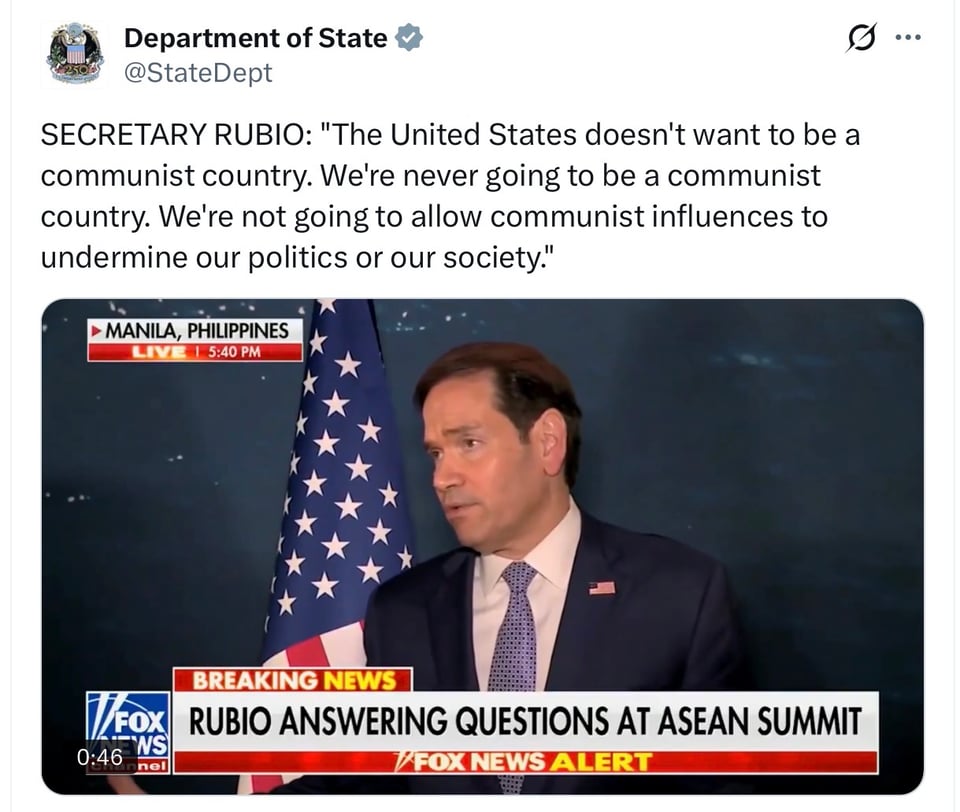
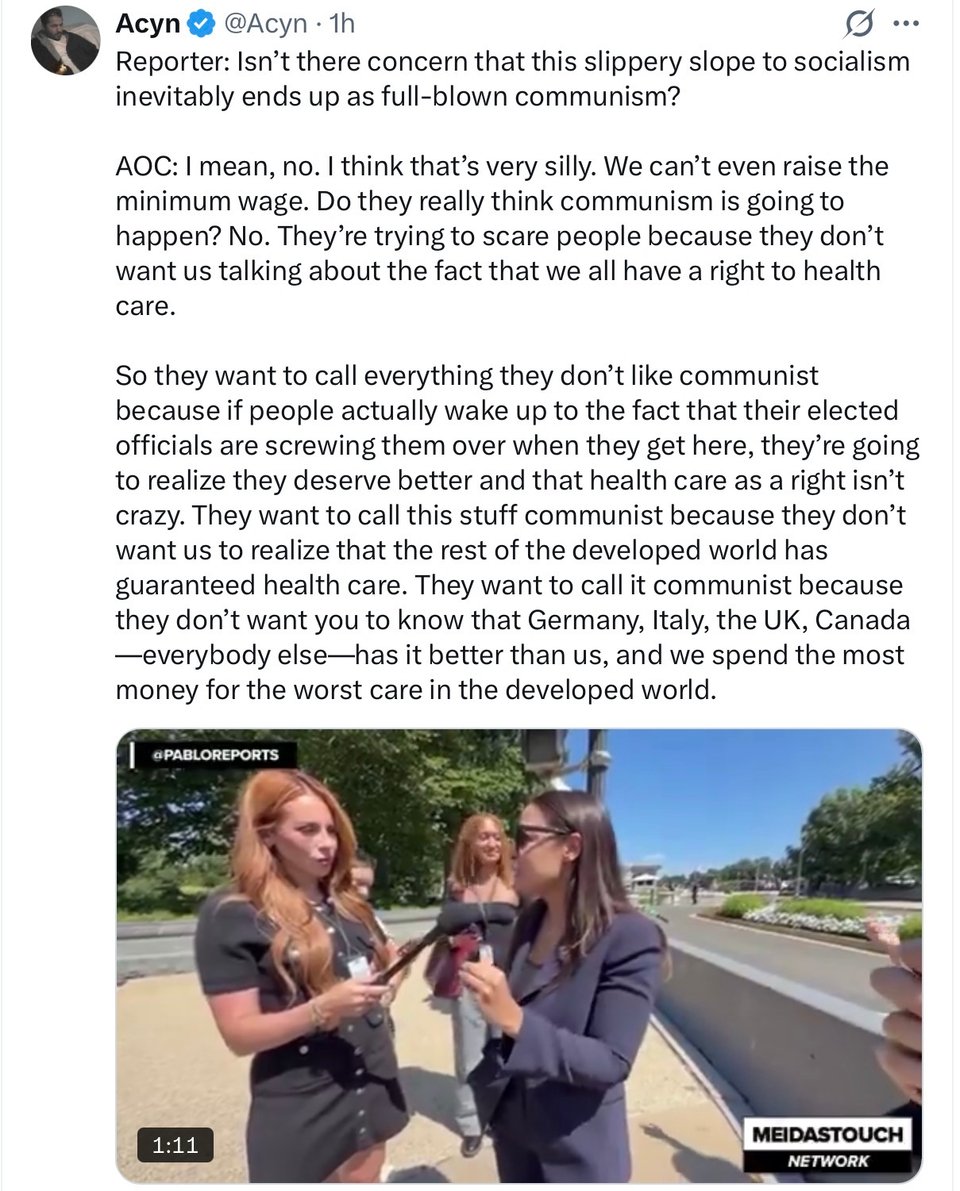
Yesterday, I wrote that the Republicans Strategy #2 for winning the midterms and 2028 was name-calling or red-baiting, whichever you prefer.
The great historian Heather Cox Richardson provides a painful example of what is happening in the Republican Party already.👇
Historian Heather Cox Richardson. Letters from an American. July 22, 2026.
“The Republican Party’s new favorite talking point is calling Democrats communists,” Representative Jim McGovern (D-MA) said yesterday on the floor of the U.S. House of Representatives.
“Really? Communists? Did we accidentally step into a time machine?”
“I get it,” he said. “They don’t want to talk about the real issues, the bread and butter issues. They don’t want to talk about affordability. I guess my question is, is Joe McCarthy back from the dead? Because it sounds like that’s who wrote all the garbage coming from Republicans, about communism. These guys, they dust off the same, tired, old talking points, every time they’re backed into a corner. Every time a new poll comes out saying that your economic agenda sucks, what they do is they change the subject. They try to divert attention. It is pathetic.
“But fine. They…want to play that game, let’s play that game. Let’s talk about the Republican Party. A party that worships one man above the Constitution in a cult of personality.
A party that demonizes immigrants and says they poison the blood of our country.
A party that calls the free press the enemy of the people and sics the Justice Department on journalists who they don’t like.
A party that says their political opponents are internal enemies and calls them, quote, the enemy within.
A party that is okay with invading our allies, including other democracies, a party that punishes their political opponents, that has deployed troops on our own streets, that wants to use the American military on the American people.
A party that believes any unhinged lie, fantasy, and conspiracy theory as long as it comes from one man. A party that tries to lock up members of Congress for exercising their free speech rights.
And a party that has tried to violently overthrow the results of a free and fair election in the United States of America. A party that, in fact, pardoned everyone who invaded this building on January 6, 2021, and tried to throw out the votes of millions of Americans because the president couldn’t accept that he lost.
“How dare that party lecture anyone? How dare they talk about communism when their own party has totally lost touch, not just with the founding ideals of this country, but lost touch with reality itself.
So if we’re gonna start assigning political labels based on conduct, then let’s call things by their proper names. The Republican Party has become the party of fascism, full stop. You know, they have become a party of far right fascists who are hell-bent on destroying our country and our way of life. And every single time they call us communists, it is nothing more than a projection of their own… radicalization.
“They don’t want to talk about that, and they definitely don’t want to talk about their higher grocery prices, or skyrocketing gas prices, or higher inflation, or the cost of health care, or their new, endless, illegal war. It has now cost over $100 billion. So instead, they scream and they yell because they have nothing else left to offer.”
“Democrats are patriots who love this country enough to fight for it. We are fighting to make it easier for people to afford groceries. We’re fighting to try to make it easier for people to afford rent, prescription drugs, and health care. And we will not be lectured by a fascist Republican party that offers the American people nothing but lies, fear, endless culture wars, and tax breaks for billionaires.”
The political ideology called fascism grew out of World War I, when former socialist Benito Mussolini rejected the equality that defined democracy and came to believe that a few leaders must take a nation toward progress by directing the actions of the rest. These men must organize the people as they had been organized during wartime, ruthlessly suppressing all opposition and directing the economy so that businessmen and politicians worked together. And, logically, that select group of leaders would elevate a single man, who would become an all-powerful dictator. To weld their followers into an efficient machine, they demonized opponents into an “other” that their followers could hate.
This theory drove the Axis powers during World War II, and in 1945, the United States War Department explained to U.S. Army personnel in the European theater of World War II what fascism was. The government focused less on the ideology of fascism than on its practical outcome.
Fascism, the pamphlet Army Talks explained, “is government by the few and for the few. The objective is seizure and control of the economic, political, social, and cultural life of the state.” “The people run democratic governments, but fascist governments run the people.”
“The basic principles of democracy stand in the way of their desires; hence—democracy must go! Anyone who is not a member of their inner gang has to do what he’s told. They permit no civil liberties, no equality before the law.” “Fascism treats women as mere breeders. ‘Children, kitchen, and the church,’ was the Nazi slogan for women,” the pamphlet said.
Fascists “make their own rules and change them when they choose…. They maintain themselves in power by use of force combined with propaganda based on primitive ideas of ‘blood’ and ‘race,’ by skillful manipulation of fear and hate, and by false promise of security. The propaganda glorifies war and insists it is smart and ‘realistic’ to be pitiless and violent.”
After the war, scholars like Eric Hoffer studied the societal conditions necessary for fascism to take hold. In his 1951 The True Believer: Thoughts on the Nature of Mass Movements, Hoffer noted that demagogues needed a disaffected population whose members felt they had lost the power they previously held, that they had been displaced either religiously, economically, culturally, or politically. Such people were willing to follow a leader who promised to return them to their former positions of prominence and thus to make the nation great again. But to cement their loyalty, the leader had to give them someone to hate. Who that was didn’t really matter: the group simply had to be blamed for all the troubles the leader’s supporters were suffering.
More recently, scholars are adding to our understanding of fascism by describing it as a form of political behavior. “It is,” Robert O. Paxton says in his 2005 The Anatomy of Fascism, “marked by obsessive preoccupation with community decline, humiliation, or victimhood and by compensatory cults of unity, energy, and purity, in which a mass-based party of committed nationalist militants, working in uneasy but effective collaboration with traditional elites, abandons democratic liberties and pursues with redemptive violence and without ethical or legal restraints goals of internal cleansing and external expansion.”
McGovern’s condemnation of today’s Republicans fits these descriptions even without the parallels noted by Carrie Kaufman in her You’re Overthinking It with Carrie Kaufman between leading Republican officials and Nazi leaders. On July 19, Kaufman showed how recent speeches by Secretary of State Marco Rubio and deputy White House chief of staff Stephen Miller at last Thursday’s State Department about “Left-wing terrorism” echoed Adolph Hitler’s Mein Kampf and Heinrich Himmler’s 1942 pamphlet Der Untermensch, or “The Subhuman.”
But McGovern left a key element of fascism out of his speech yesterday: the alignment between the government and favored businesses. Fascism subordinates business activity to the needs of the government. In exchange for supporting them, government officials award massive government contracts and subsidies to favored businesses, and protect them from regulation.
One more thing. Or two.
Professor Richardson's post above 👆 then segues to fascists' use of business deals for their personal and political gain, but the final sentence of her post
returns to a general comment on fascism itself. This is worth repeating.
Fascism has always been a vehicle for frustration with a system that was failing the people. But it has never been a solution for fixing that system.
/end
After Trump's announcement with the Saudi leader on Thursday, the New York Times reported:
A day after the United States signed a landmark nuclear deal with Saudi Arabia, President Trump added a new condition to the sale of nuclear reactors to the kingdom, declaring that the entire arrangement now depends on the Saudi willingness to establish diplomatic relations with Israel.
The deal “will be approved, but is totally subject to Saudi Arabia joining the very respected and successful Abraham Accords,” Mr. Trump said in a post on his social media site, referring to a series of agreements that normalized relations between Israel and other states, including Bahrain and the United Arab Emirates.
There was no mention of any such condition in the administration’s announcement that the deal had been signed on Wednesday, but Mr. Trump’s social media post put the agreement’s immediate future in doubt.
The Saudi government has made clear it has no intention of recognizing Israel without creating a pathway toward the creation of a Palestinian state. Mr. Trump never addressed that issue in his brief post.
In linking the deal to diplomatic recognition of Israel, Mr. Trump is veering back to the plan that President Joseph R. Biden Jr. attempted in the first years of his administration, making nuclear cooperation part of a larger diplomatic understanding that changes the dynamics of the Middle East. But the plan fell apart after the Oct. 7, 2023, terrorist attacks on Israel by Hamas, and Mr. Trump later divorced the nuclear agreement from the diplomatic effort.
He has now reversed himself, but only after his energy secretary, Chris Wright, signed the deal with Saudi Arabia’s energy minister. Mr. Wright indicated that the deal would now be sent to Congress for review, but presumably Mr. Trump could hold up its transmission while he argues with the Saudis over the new condition.
Not surprisingly, Prime Minister Benjamin Netanyahu of Israel warmly greeted Mr. Trump’s demand that the Saudis normalize relations with Israel. “The joint American and Israeli military action against the genocidal regime in Tehran and Israel’s crushing of Iran’s terror axis have created the possibility to expand the circle of peace,” he said in a statement. “As President Trump has said, Saudi Arabia’s joining of the Abraham Accords would be an historic leap forward for peace in the Middle East.”
Saudi Arabia’s Center for International Communication did not immediately respond to requests for comment on Mr. Trump’s demand.
Mr. Trump also asserted that the terms of the deal would not allow Saudi Arabia to enrich its own nuclear material, offering no further explanation. While the agreement has not been made public, officials have described it very differently, saying that it allows for a two-year study period, during which Saudi and American officials will determine if there is a viable economic path for the kingdom to enrich nuclear fuel. The United States could block that move for a number of years, according to officials familiar with the arrangement, but not permanently.
Mr. Trump argued otherwise.
“There will be no enrichment of material,” he stated, adding that the United States “is not opposed to Civil (Non-Enriched) Nuclear Facilities.”
The potential that Saudi Arabia could make its own fuel — and the risk that some of it could be diverted to a nuclear weapons project in the future — lies at the core of criticism of the deal. But the country’s de facto leader, Crown Prince Mohammed bin Salman, is unlikely to give up the right to enrich or agree to the most intrusive international inspections that more than 140 other nations have already signed.
Mr. Trump’s statement comes after Israeli leaders voiced concerns over the emerging deal, worrying that it could fuel a regional arms race, and the implication of Israel being sidestepped in the process.
But Mr. Trump’s newly stated condition could create a roadblock to the deal itself, as Saudi officials have repeatedly stated that they will not recognize Israel without a pathway toward a Palestinian state.
Mr. Trump has previously pushed to expand the Abraham Accords, agreements he began brokering during his first term. The first, between Israel and Bahrain and the Emirates, were announced in 2020. Since then, Morocco and Sudan have joined the pact. /end
Does Trump think the Saudis signing the Abraham Accords will give him a Nobel Peace Prize?
even though his deal with them endangers the Mideast and the world with an active and increased nuclear arms race?
“Who knows what evil lurks in the hearts of men? The Shadow knows!”
Pete Hegseth may find one lawsuit leads to problems he didn't expect.
Incidental effects.
Trump's lawsuit against the BBC is forcing him to open the financial records of his entire business empire.
Hegseth is finding his policies may have implications for a lawsuit he is already facing.
Judge questions difference between Hegseth's testosterone policy and transgender care for troops.
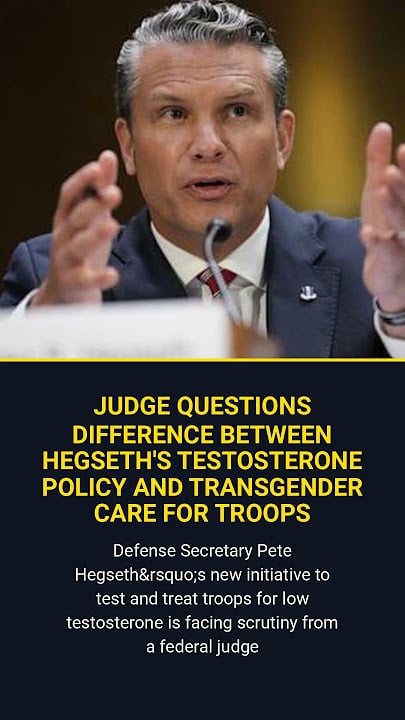
WASHINGTON (AP) — Defense Secretary Pete Hegseth’s new initiative to test and treat troops for low testosterone has prompted a federal judge to question the differences between that kind of testosterone replacement therapy and hormone treatment for transgender men in the military.
U.S. District Judge Ana Reyes in Washington raised the question Wednesday in an ongoing lawsuit against President Donald Trump’s ban on transgender troops. Reyes noted that Trump’s ban says “the Armed Forces must adhere to high mental and physical health standards ... without the benefit of routine medical treatment or special provisions.”
Reyes ordered both parties in the lawsuit to address “the similarities and differences in administering TRT, both medically and logistically, for trans men compared to other service members, including cis individuals.” She was using the acronym for testosterone replacement therapy.
The judge also requested information on the Pentagon’s “basis for treating trans men and other service members differently between this new policy and the Military Ban.”
Reyes’ order comes a week after Hegseth announced that he is rolling out a new screening program for “testosterone deficiency” among troops, calling it necessary to allow them to operate at their “absolute best.”
The screenings will be conducted annually as part of service members’ required medical screenings for those 30 and older, he said. Troops under 30 can volunteer to be tested. In a video on social media, Hegseth said receiving testosterone replacement therapy would be voluntary.
Other Trump administration officials have begun to advocate for men to have easier access to testosterone replacement therapies, but the messaging from Hegseth and others blends known science on the hormone with broader, and less substantiated, claims.
Testosterone levels in men decline naturally with age and have long been linked to issues like erectile dysfunction, low libido, mood changes and weight gain. But experts have debated for years how to diagnose those problems and whether they should be treated by replacing the hormone.
Reyes, who was nominated by President Joe Biden, is overseeing one of the lawsuits against Trump’s ban on transgender troops. Transgender active duty service members and former service members seeking to reenlist sued in late January 2025, shortly after the president returned for his second term in office.
Reyes ruled last year against Trump’s executive order to exclude transgender troops. A divided panel of federal appeals court judges sent the case back to Reyes after partially upholding her order, finding that the ban was unlawful and service members who sued could not be kicked out.
Reyes has since given the case class-action status, which means the outcome could expand to all service members.
Trump’s transgender military ban remains in effect, however. The U.S. Supreme Court has allowed the Pentagon to enforce it as litigation plays out. (Associated Press)
2 laws that passed the House that next face the Senate.
We are happy this one doesn't seem to have a chance to pass.
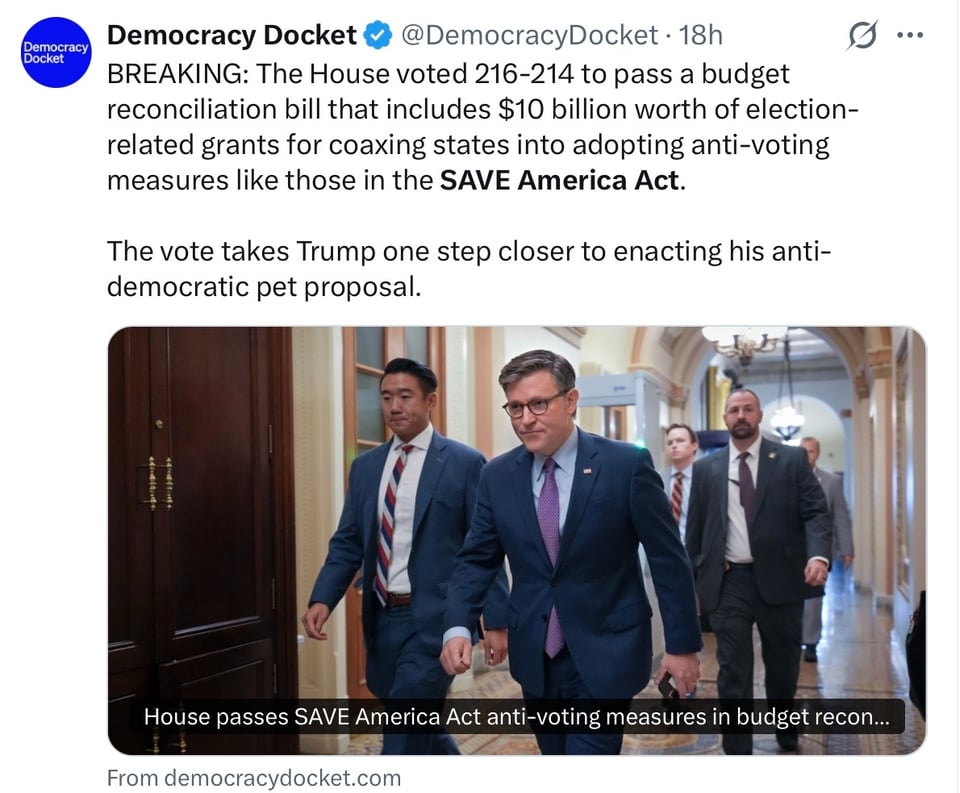

We want this one 👇 to pass but its chances aren't good.
Four Republicans joined Democrats: Fitzpatrick, Davidson, Massie, and Barrett.
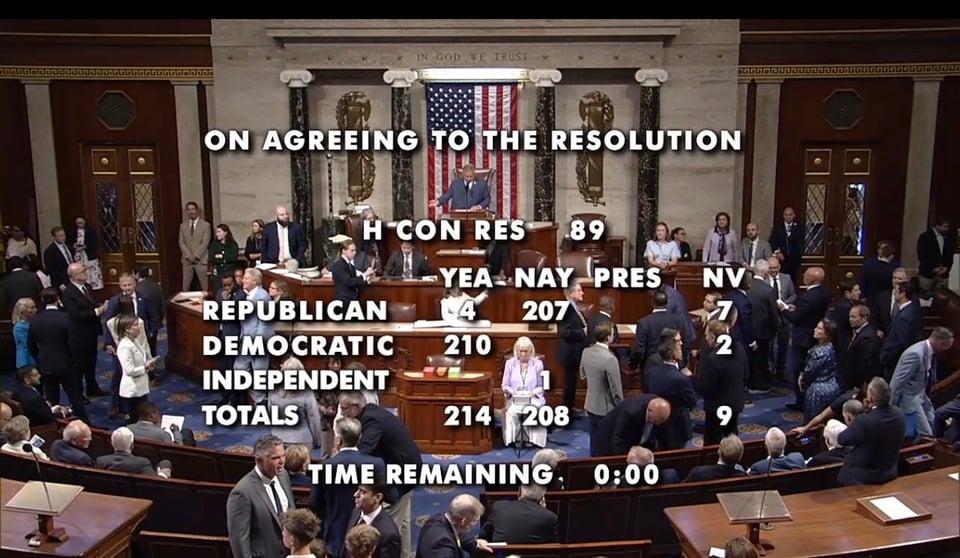
Feel free to discuss these with your Senators for good outcomes.
This 'n That.
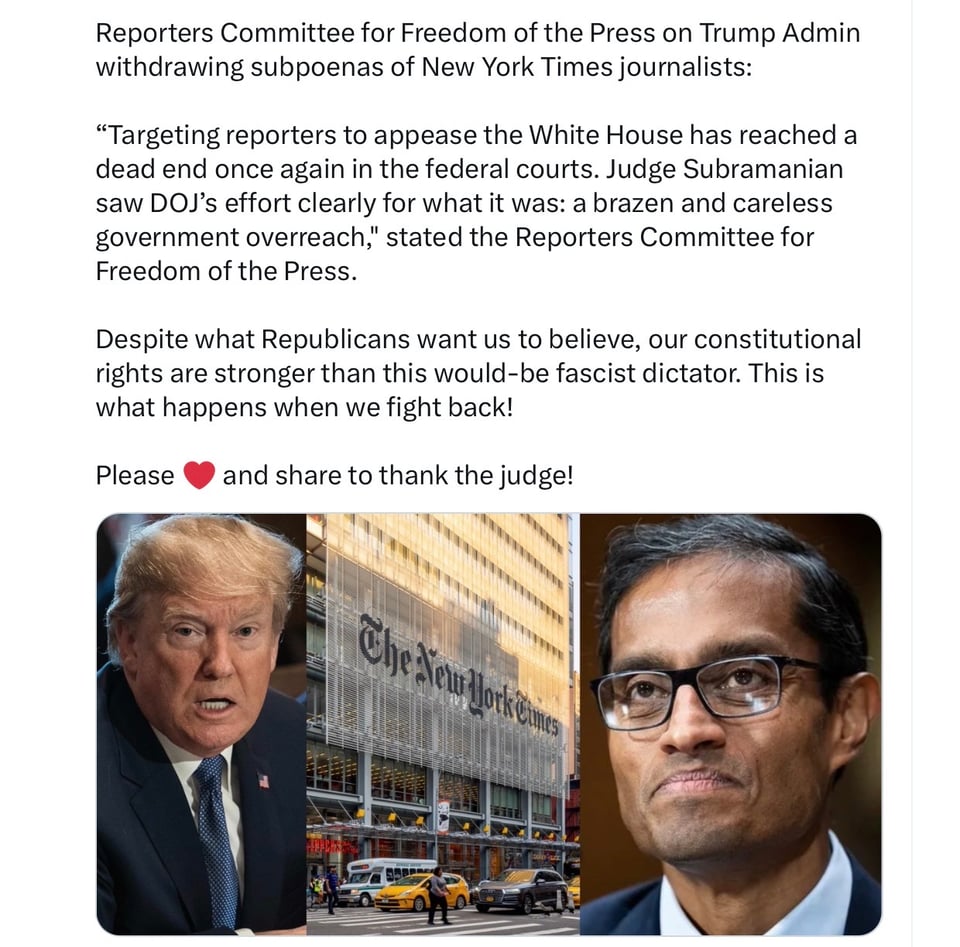
Trump.
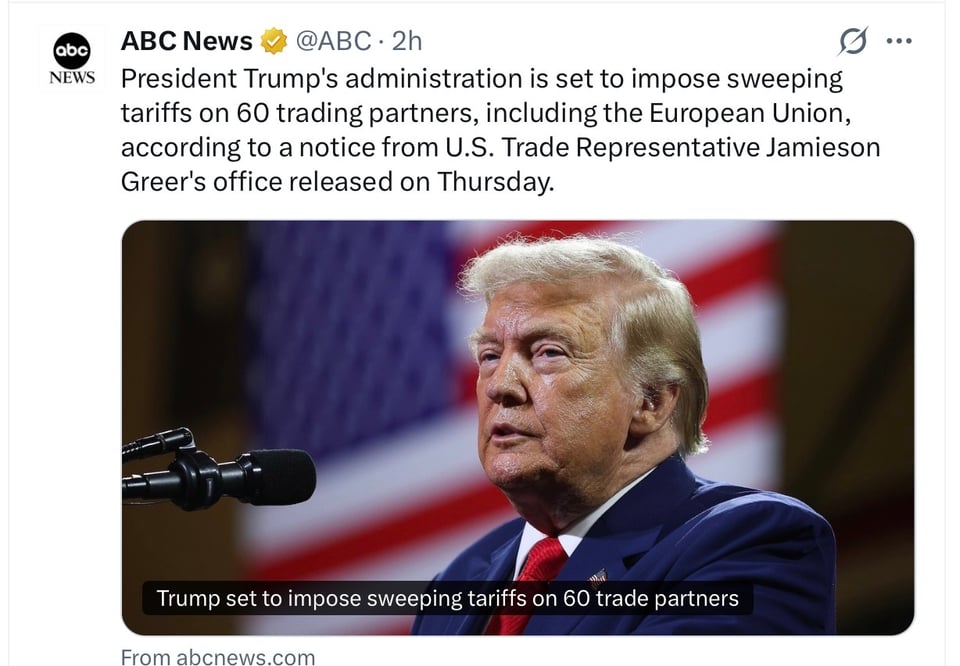
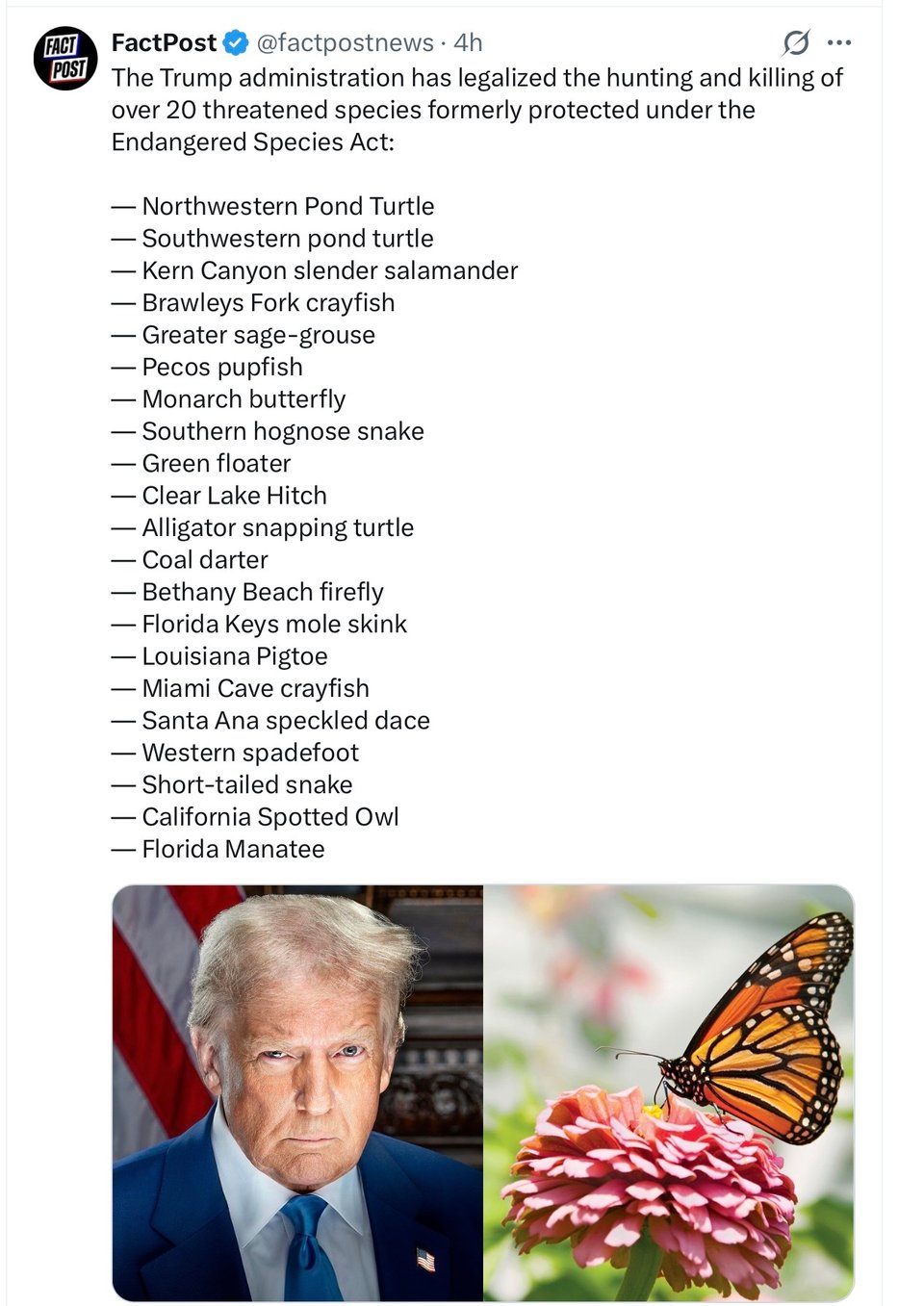
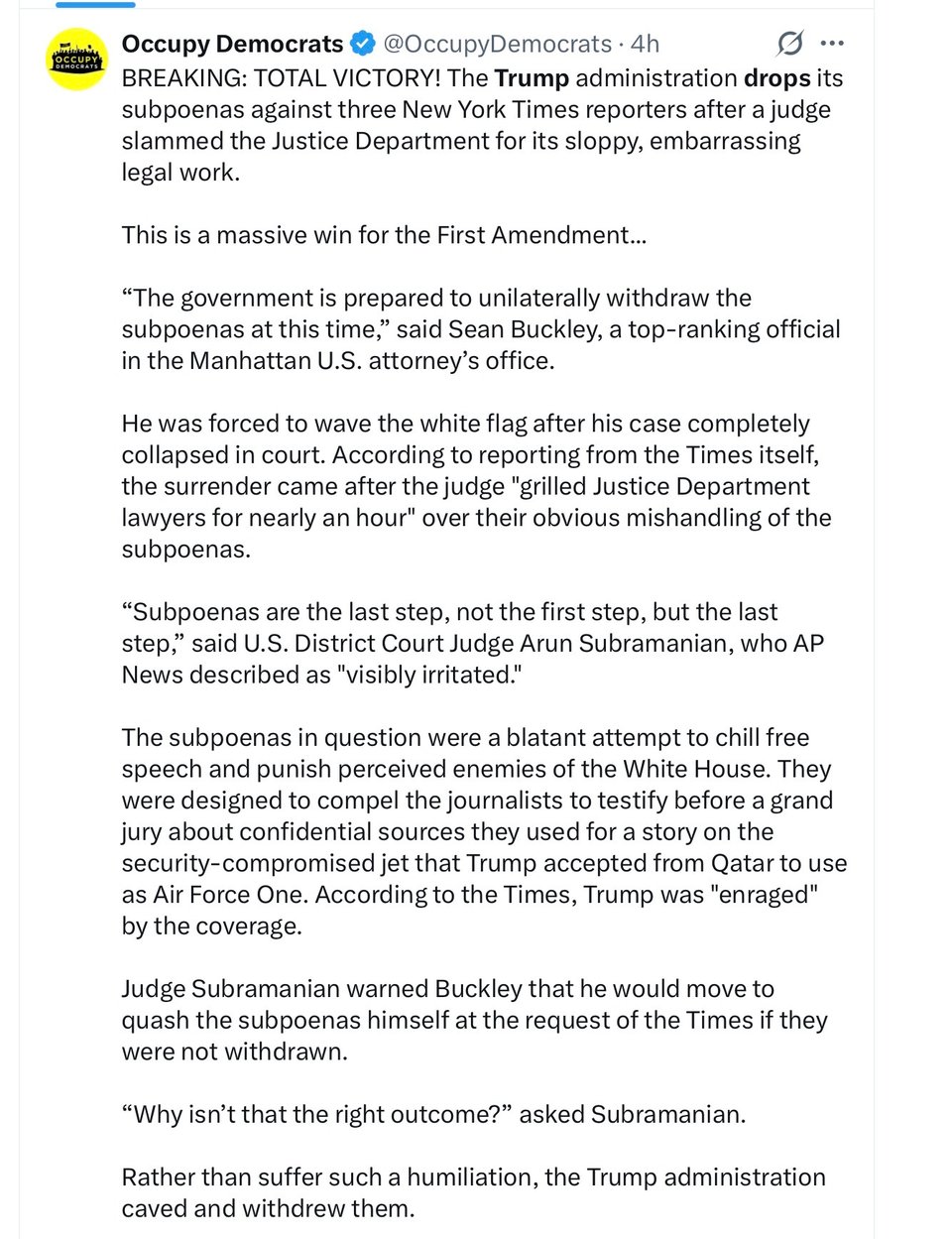
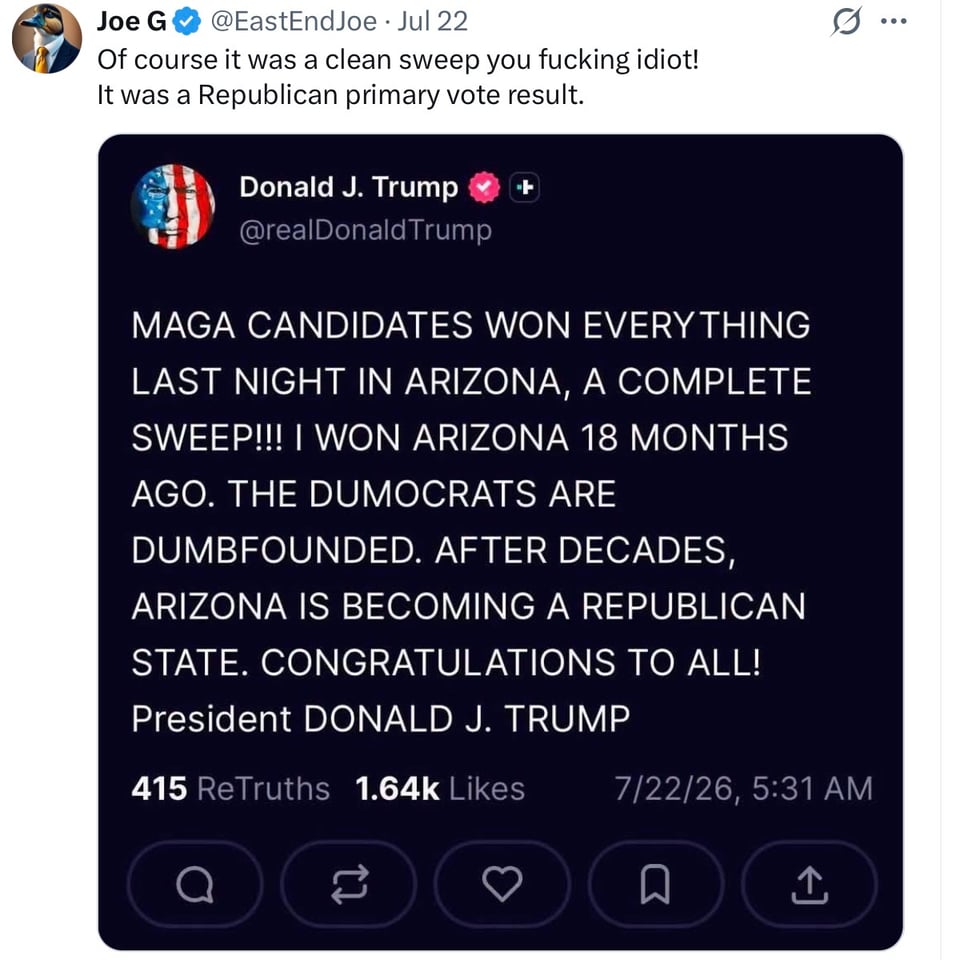
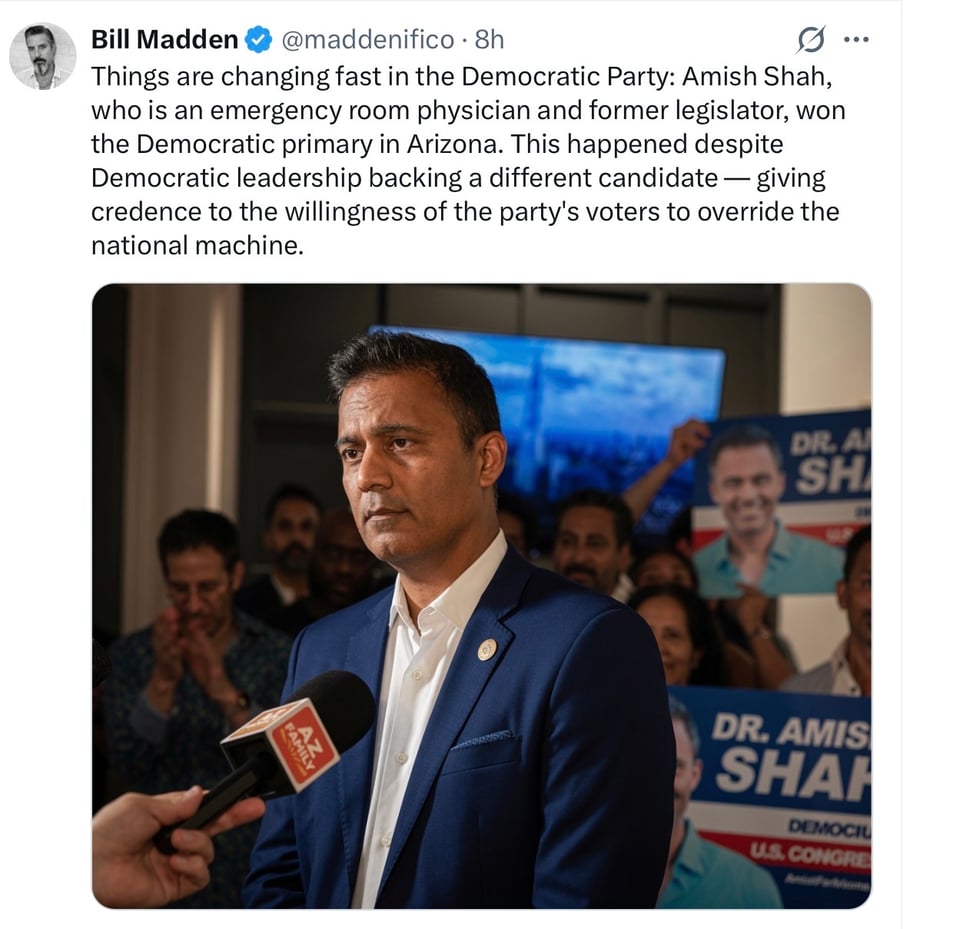
Arizona.
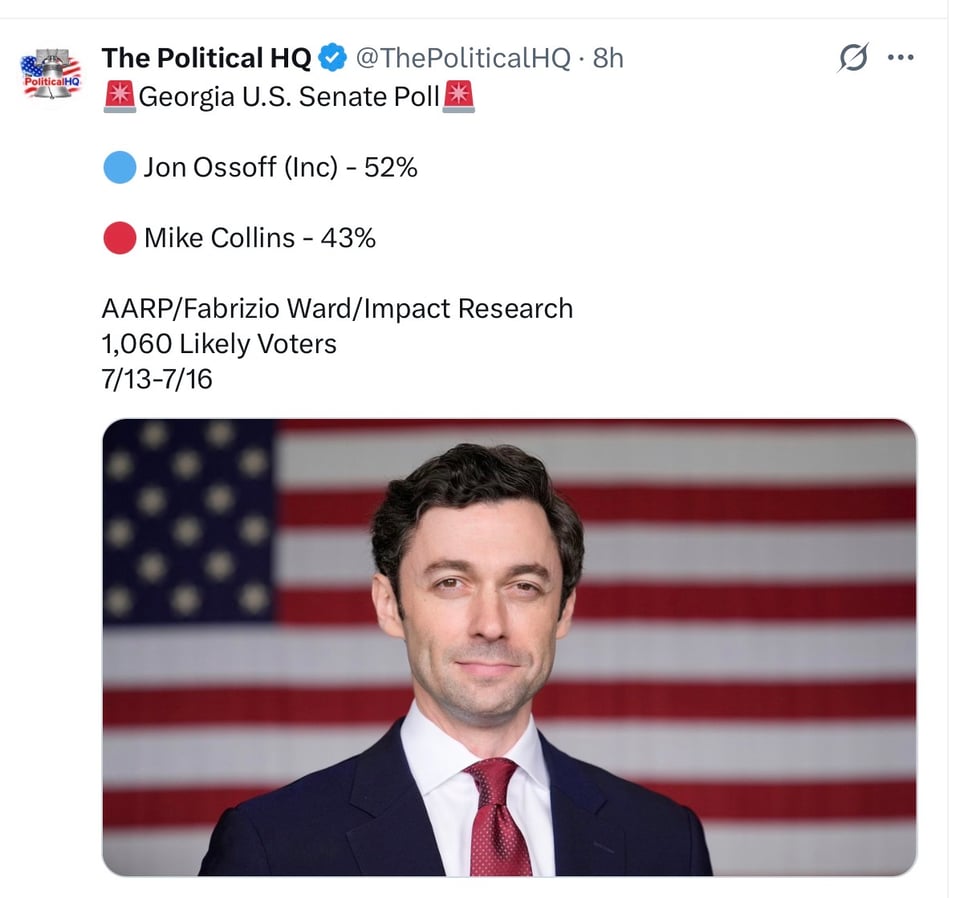
Georgia
One of the King’s Men.
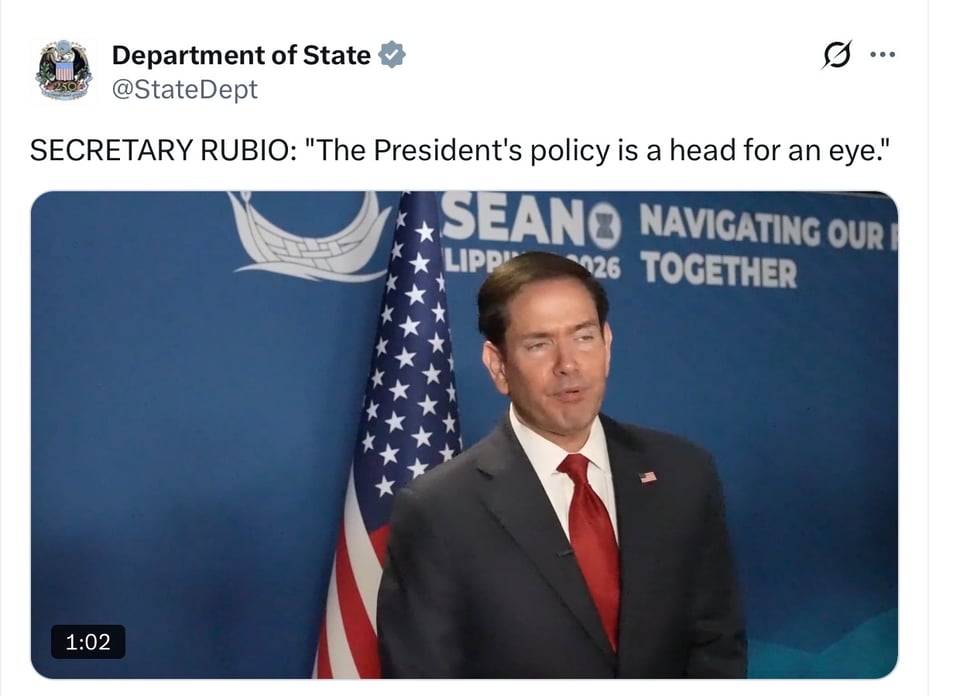
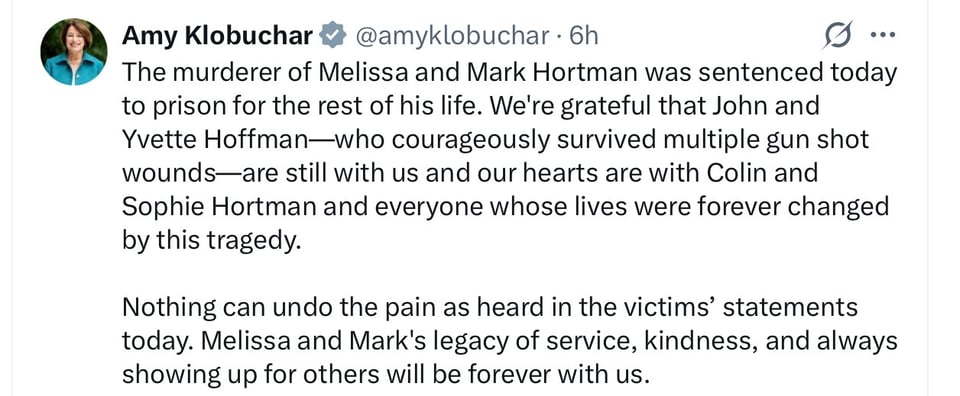
All the Democratic Women.
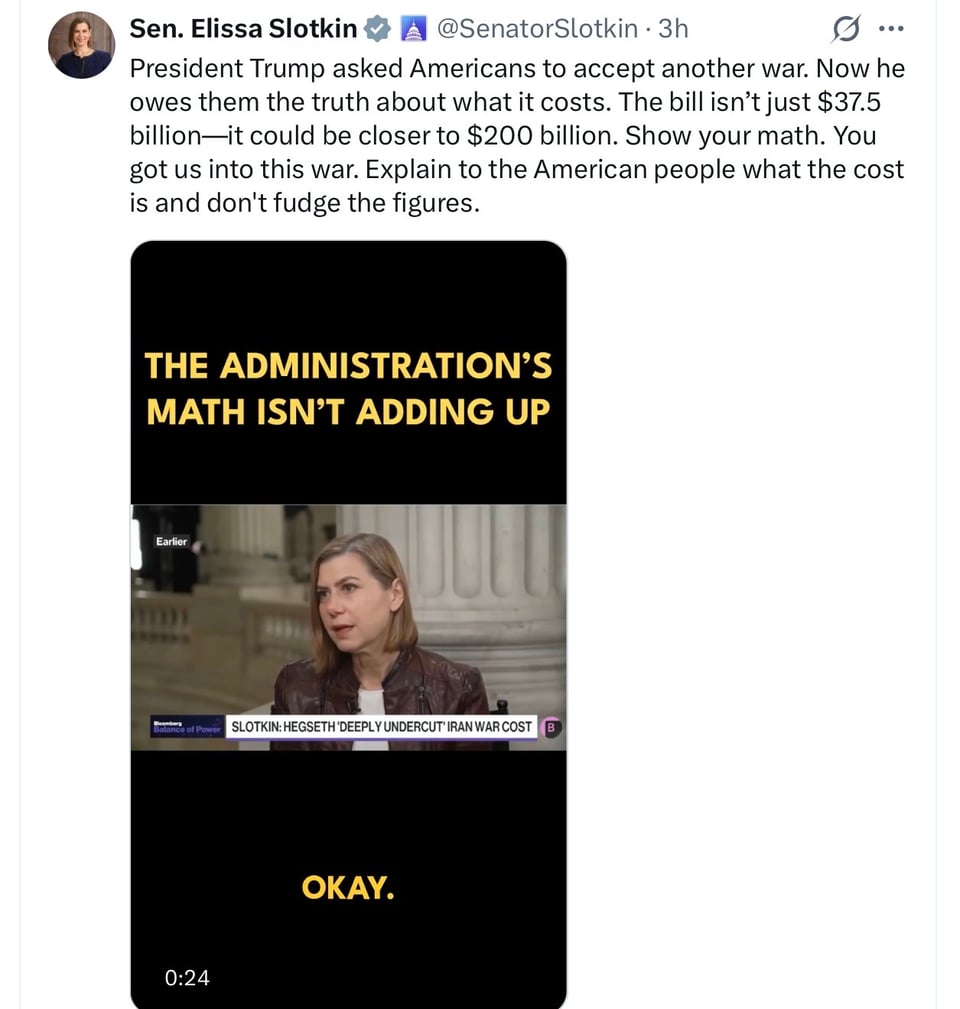
More damage to America from Trump’s War.
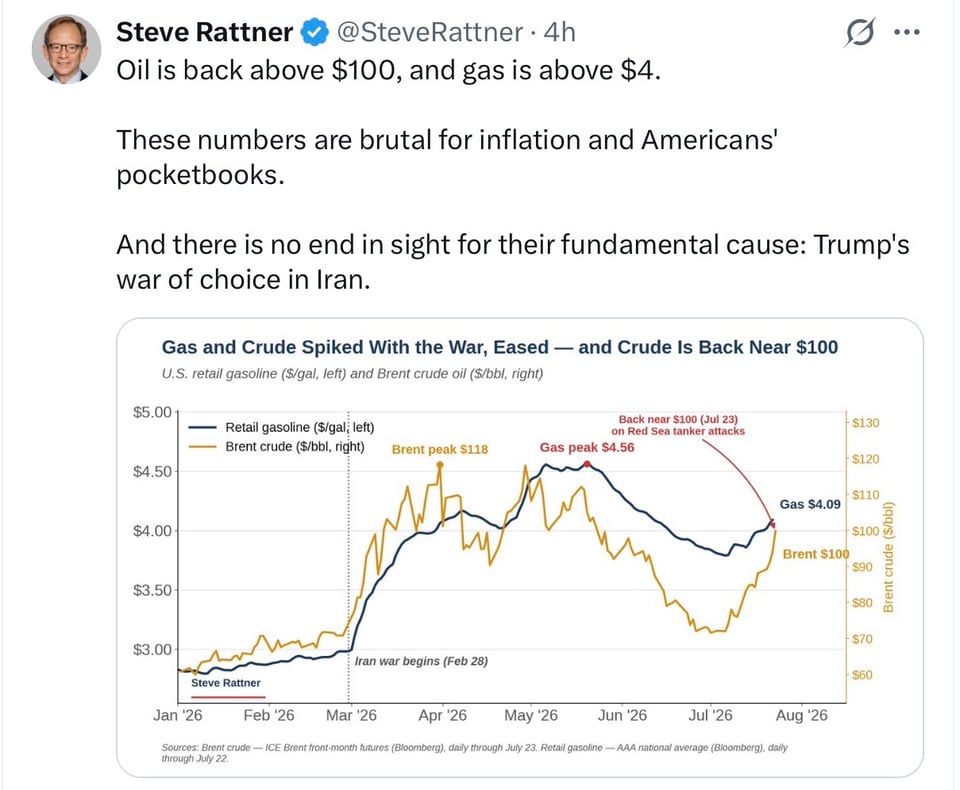
In Montauk, GAS is $6+.

