Friday, April 17,2026. Annette’s Roundup for Democracy.
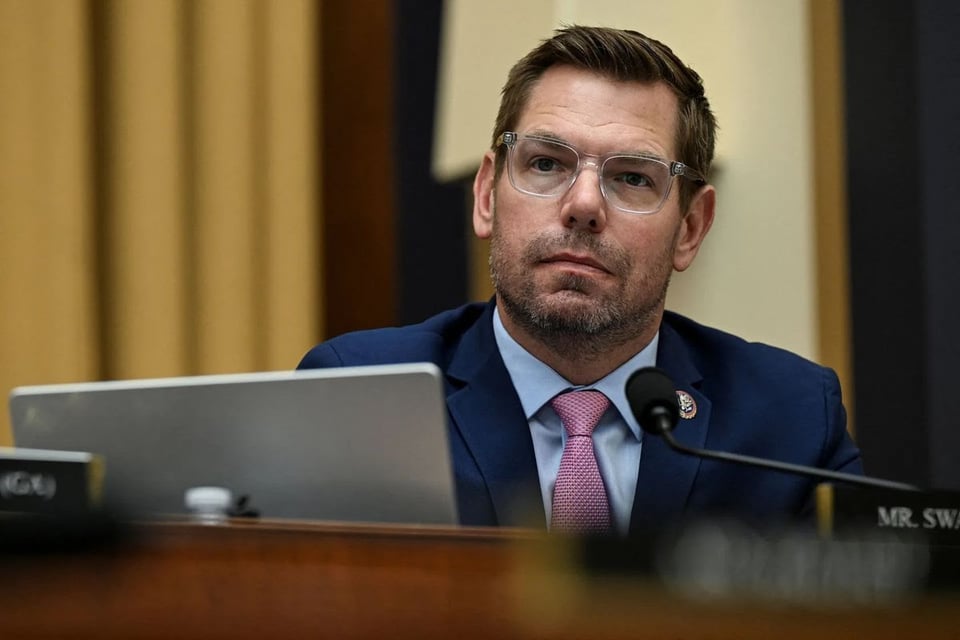
Eric Swalwell. How did this happen?
Eric Swalwell’s downfall might show that, if old-school journalism can still mete out consequences for bad behavior, new media can sometimes accelerate the process.
On Tuesday, Eric Swalwell, the California Democrat, officially resigned from the House of Representatives. His downfall was swift: just five days earlier, the San Francisco Chronicle and CNN reported on claims of sexual misconduct made against him by four women, one of whom accused him of rape. (Another woman has since levelled an additional rape allegation.) Swalwell has admitted to errors of judgment but vowed to fight the misconduct and assault claims, which he insists are false. In the end, though, it’s plausible that if he hadn’t voluntarily quit Congress he’d have been expelled by his colleagues anyway. Tony Gonzales, a Republican congressman who, like Swalwell, has been accused of inappropriate sexual behavior toward subordinates, and has also acknowledged poor judgment but nothing more, looked likely to be expelled, too. He ultimately resigned on the same day as Swalwell.
As I wrote this week, the political unseating of both men took place within a modern media environment that is noisy and anarchic. These conditions have served to help some scandal-plagued politicians circumvent accountability—Donald Trump comes to mind—and yet, in Swalwell’s case, it helped bring the allegations to light. New-media influencers and old-school journalists pooled their powers to investigate a rising political star, in a climate of heightened intolerance among the public toward élite abuses. The cases of Swalwell, Gonzales, and others tap into other pressing dynamics, too: the appropriateness of Congress kicking out elected representatives before affording them full due process; the basic safety of congressional staffers, who have long worked on the sharp end of a dangerous power dynamic; the apparent reticence of many people in D.C. to take whispers of Swalwell’s alleged behavior around women seriously. As the Washington Post put it, “it was a group of liberal online influencers—not party bigwigs—who made it their mission to ensure that someone facing multiple allegations of misconduct should not be elevated to the highest office in California.”
The Post was referencing another immediate ramification of Swalwell’s scandal: when the Chronicle and CNN pressed Publish, he was a leading candidate for governor of California; he has since dropped out. Parsing the horse race can feel trivial at a time like this, but that’s not to say that it isn’t consequential. After big hitters—most notably Kamala Harris, but also Senator Alex Padilla—passed on bids to succeed the current governor, Gavin Newsom, who is term-limited, Swalwell consolidated significant establishment support, a reflection, perhaps, of the puzzling weakness of the Democratic field in a huge blue state. (Swalwell’s exit looks set to boost Katie Porter, a liberal former congresswoman who has herself been accused of mistreating her staff, albeit not sexually, and Tom Steyer, a billionaire who ran for the Presidency in 2020. The first poll since Swalwell left the race also showed a significant boost for Xavier Becerra, the former U.S. Secretary of Health and Human Services.) This weakness may have given the Republicans a greater-than-expected chance of winning the governor’s mansion—an unthinkable prospect that becomes more thinkable when you remember Arnold Schwarzenegger exists—in the fall.
Currently, the Democratic Party seeks to have a much deeper bench as it sets its sights on the White House in 2028. But that bench is, in no small part, fed by a pipeline of talent that rises through state politics. (Just look at Maryland Governor Wes Moore, Illinois Governor J. B. Pritzker—and, of course, Newsom.) Even if it took a melding of old and new media—and the bravery of Swalwell’s alleged victims—to bring the worst claims against him to light, there were already discordant notes to his candidacy, and not just in the whispers in Washington. He seemed to owe his elevated profile less to any particular policy vision or administrative seriousness (according to Puck, he spent the months before his gubernatorial run shopping around an A.I. project and even a couple of screenplays) than to his embrace of the modern media climate that would ultimately prove his undoing. Swalwell pushed an anti-Trump message of the #Resistance variety. That’s all well and good, but even prior to the recent allegations some observers were skeptical that that alone made for a compelling pitch to lead the world’s fourth-largest economy well into a post-Trump era. The type of accusation that ended his candidacy is, as the case of Gonzales shows, sadly not an isolated one. What that candidacy represented in the first place points to a Democraticdrift https://www.nytimes.com/2026/04/16/nyregion/2nd-avenue-subway-mta-trump.html?smid=nytcore-ios-share that is broader still—the Party’s struggle to define what it stands for, and not merely the type of behavior it stands against. (Jon Alsop, The New York).
Don’t tell Trump.
The lawyer who beat him in the E.Jean Carroll case just beat him again in the 2nd Avenue Case 👇 .
Roberta Kaplan.
Trump Administration Will Release 2nd Ave. Subway Funding, in Reversal
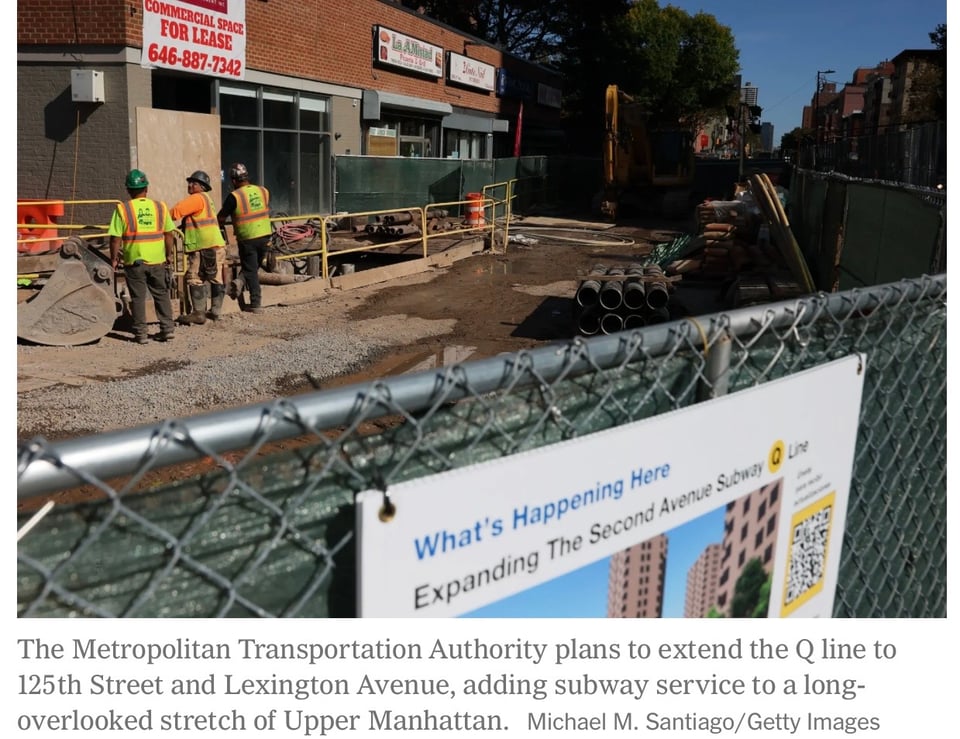
The Metropolitan Transportation Authority, which runs New York City’s subway system, had sued the federal government for withholding nearly $60 million in funding.
At a hearing on Thursday before Judge Philip S. Hadji, Roberta Kaplan, a lawyer for the authority, questioned the federal government’s rationale.
She also criticized the government’s contention that it wanted to ensure the federal funds were “expended consistent with the Constitution,” noting that every new administration could have a different interpretation of the law.
“The M.T.A. had to comply, as it did, with the laws and regulations when President Biden was president, and agreed to do the same when President Trump was president,” Ms. Kaplan said. To be accused of breaking the law over the Trump administration’s interpretation, she said, “truly takes us back to kind of a Henry the Eighth world.”
Danna Almeida, a spokeswoman for the Transportation Department, said in a statement that the government was satisfied with its review, but declined to respond to the M.T.A.’s claims that it was already in compliance.
“Thanks to President Trump and Secretary Duffy, taxpayers can rest assured their hard-earned dollars will not fund unconstitutional D.E.I. initiatives,” she said.
Gov. Kathy Hochul on Thursday claimed victory on social media.
“We took the Trump Administration to court after they illegally froze funding for the Second Avenue subway,” she said. “Today, they backed down. The freeze is over.”
The resolution of the payment dispute is the latest hurdle cleared for a subway project that has been promised to New Yorkers for nearly a century.
The M.T.A. plans to extend the Q line from 96th Street and Second Avenue to 125th Street and Lexington Avenue, adding subway service to a long-overlooked stretch of Manhattan. Construction on the extension, a version of which was included in the original proposal for the subway line in the 1920s, has had many false starts.
Tunneling began in East Harlem in 1972, before the city’s fiscal crisis halted construction.
In 2007, work finally started on the first phase of the project — three new stations on the Q line along Second Avenue at 72nd, 86th and 96th Streets. The stations opened a decade later, after years of delays and cost overruns turned the stretch of track into one of the most expensive ever built.
Work on the Harlem extension was paused again in June 2024 after Ms. Hochul delayed the start of Manhattan’s congestion pricing program, which was expected to raise billions of dollars for the project.
The new work is already underway, with a tentative completion date of 2032, but Janno Lieber, the head of the M.T.A., had warned that the federal dispute could delay progress.
The Trump administration suspended the funds in October, at the same time that Mr. Trump was pressuring Chuck Schumer, the Senate minority leader and a New York Democrat, to end a government shutdown.
The M.T.A. sued in March to force the federal government to pay more than $58 million in overdue reimbursements. The authority’s board recently approved the advancement of a $1.1 billion contract related to the Second Avenue project, including excavation work at the planned 106th Street station, but the dispute put the timeline at risk.
Keeping the project on track is vital to managing construction costs and fulfilling Ms. Hochul’s plans to extend the subway line even further.
In January, she pledged to fund engineering and design work on an expansion of the Second Avenue subway westward to a new terminus at 125th and Broadway, which would add three new crosstown stops connecting to seven subway lines and several bus lines. (New York Times)
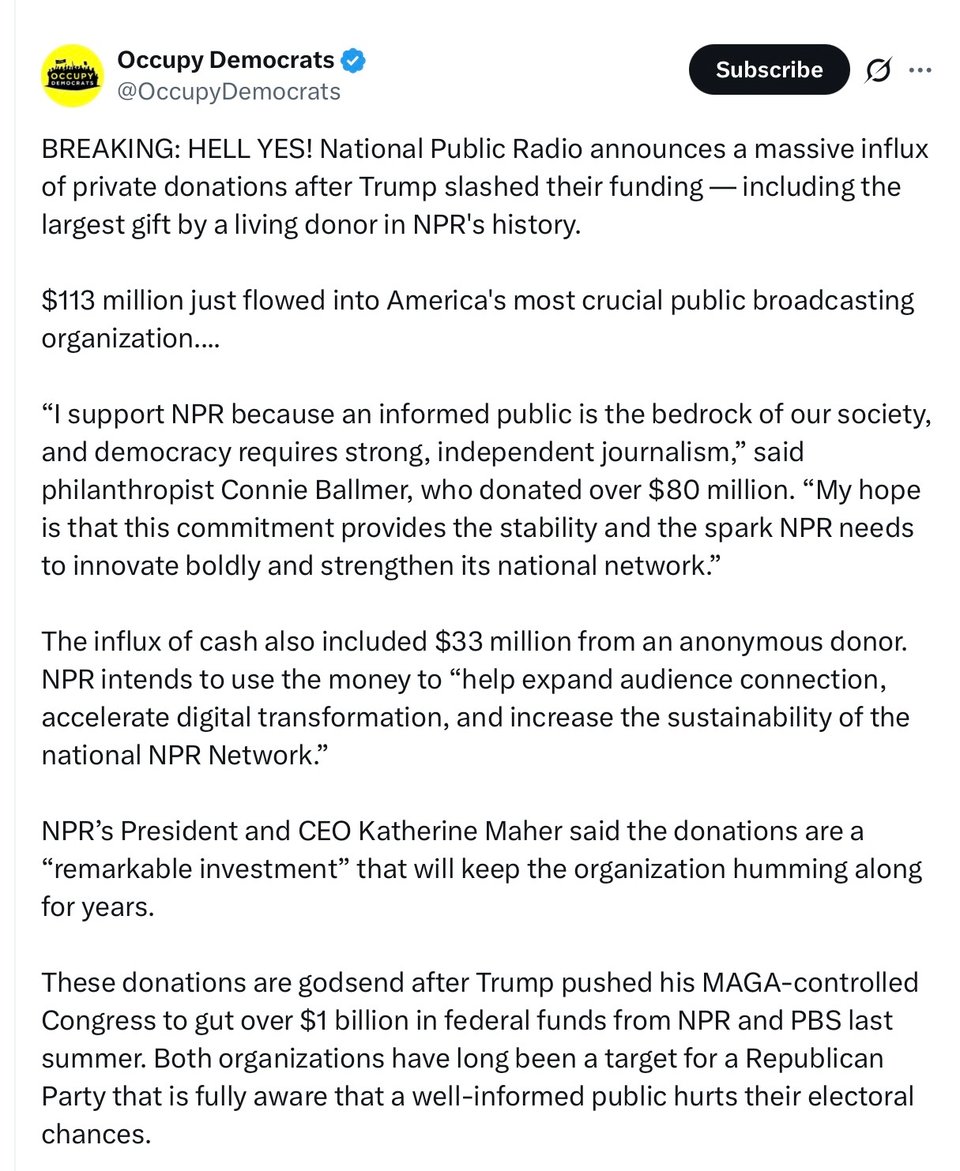
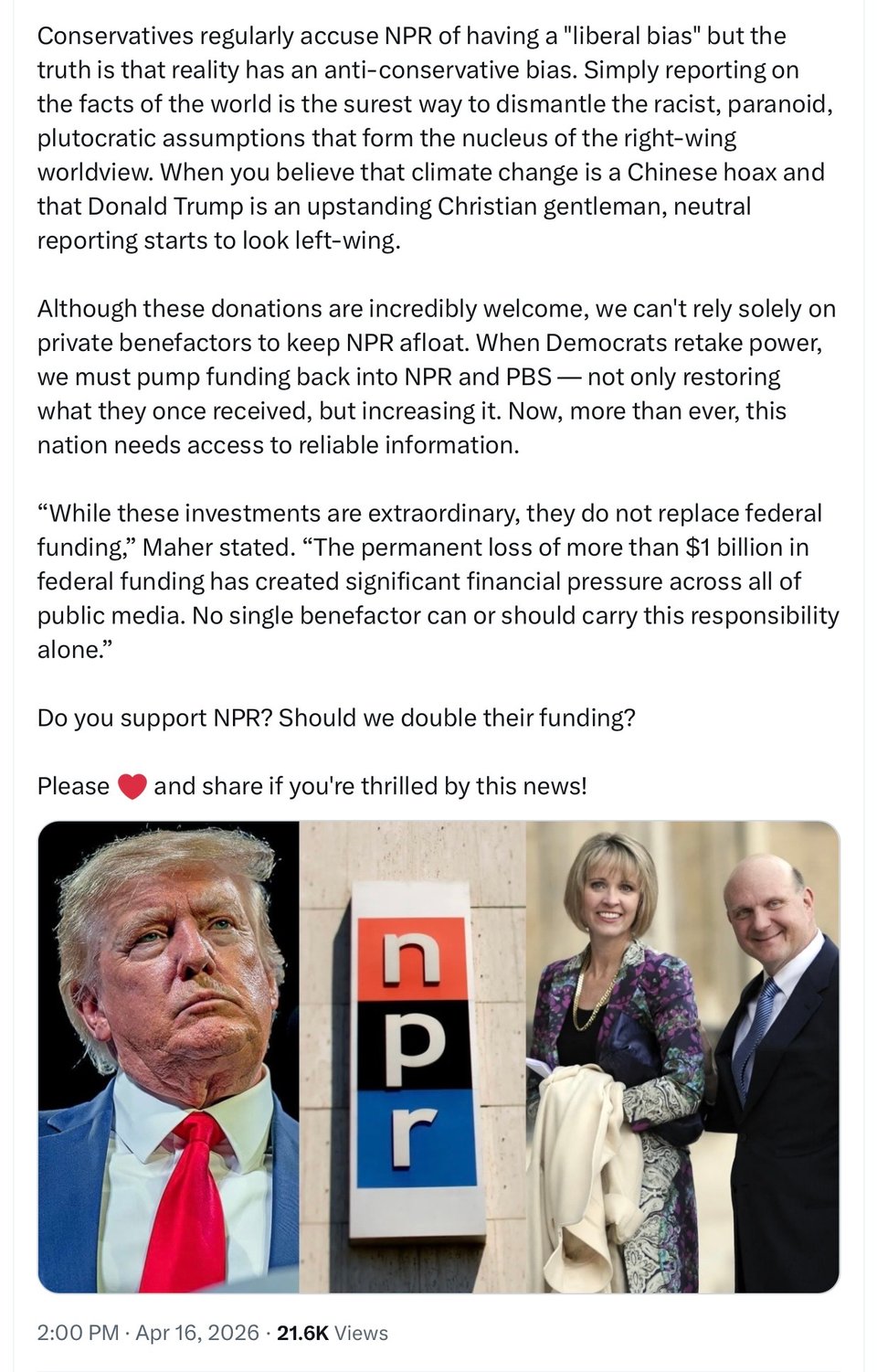
All things considered. This is what happened at NPR.
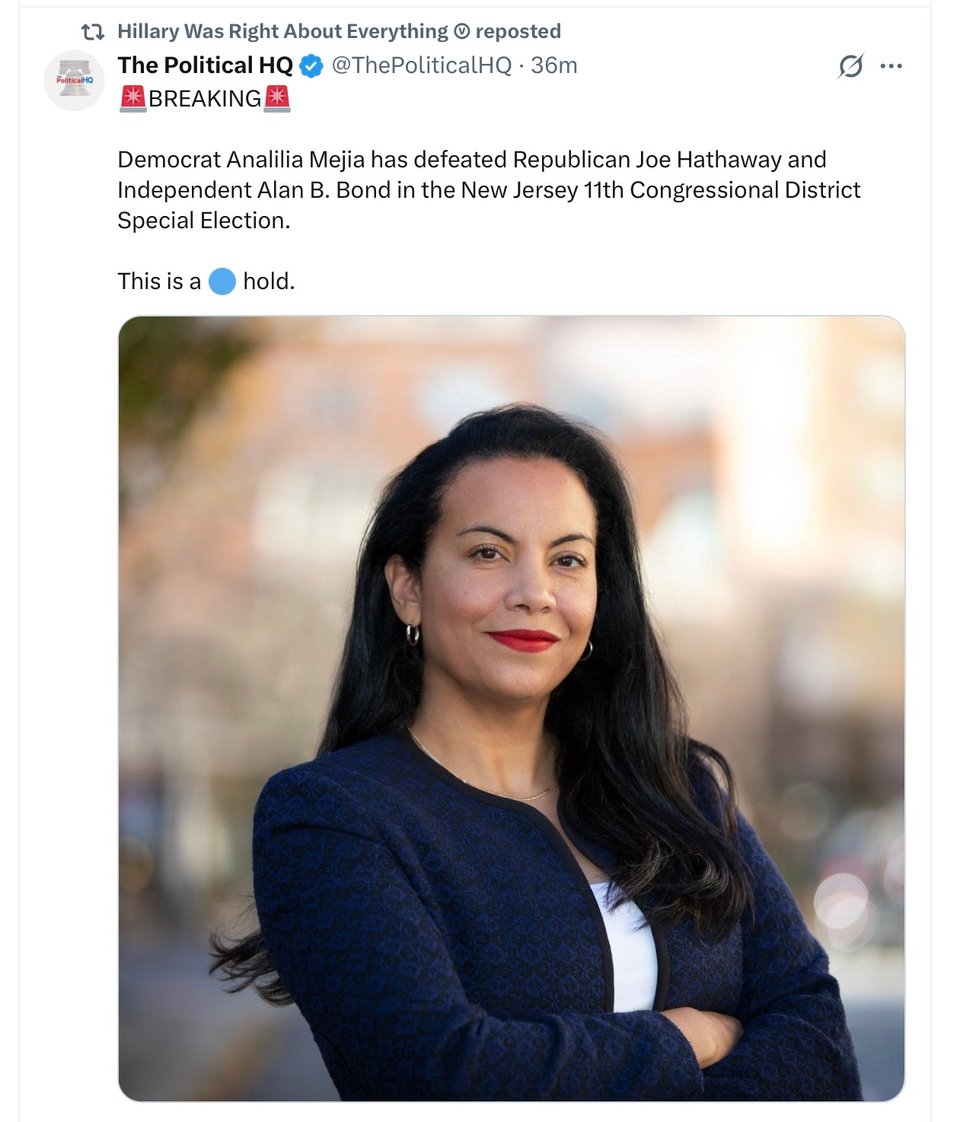
Mikie Sherrill, Governor of New Jersey, had another big night.
She won the Governorship by 14.4 percent in November and regularly gets 58% approval ratings now that she is in office, but last night her former constituents elected a Democrat to replace her. Mikie campaigned for her.
Seems they like what Mikie did and they don’t like Trump.
As the New York Times reported,
Mr. Trump was never far from the lips of Ms. Mejia’s supporters.
“At every turn, we have seen an out-of-control president,” Ms. Sherrill said on Sunday at a rally for Ms. Mejia, who she said would be an effective “check” on Mr. Trump.
Mejia’s victory brings us closer to a Democratic majority in the House. 201 Days until Election Day. By the way, she won by 20 points, a progressive in a district that Kamala won by 9 ponds.
One more thing.
Mikie keeps busy, just like her former roommate, Abigail Spanberger, the Governor of Virginia.
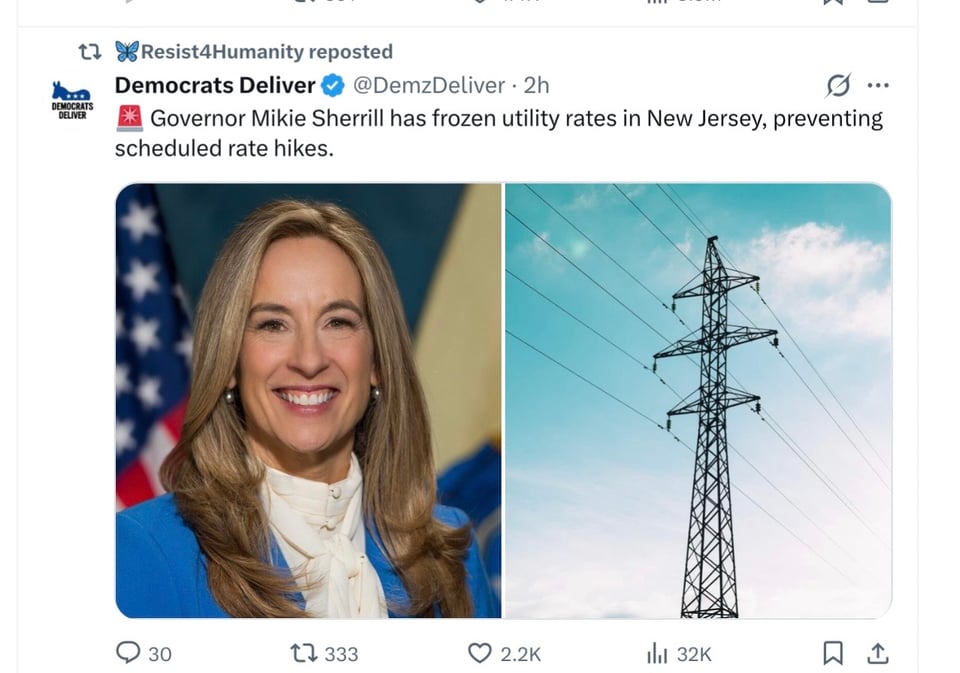
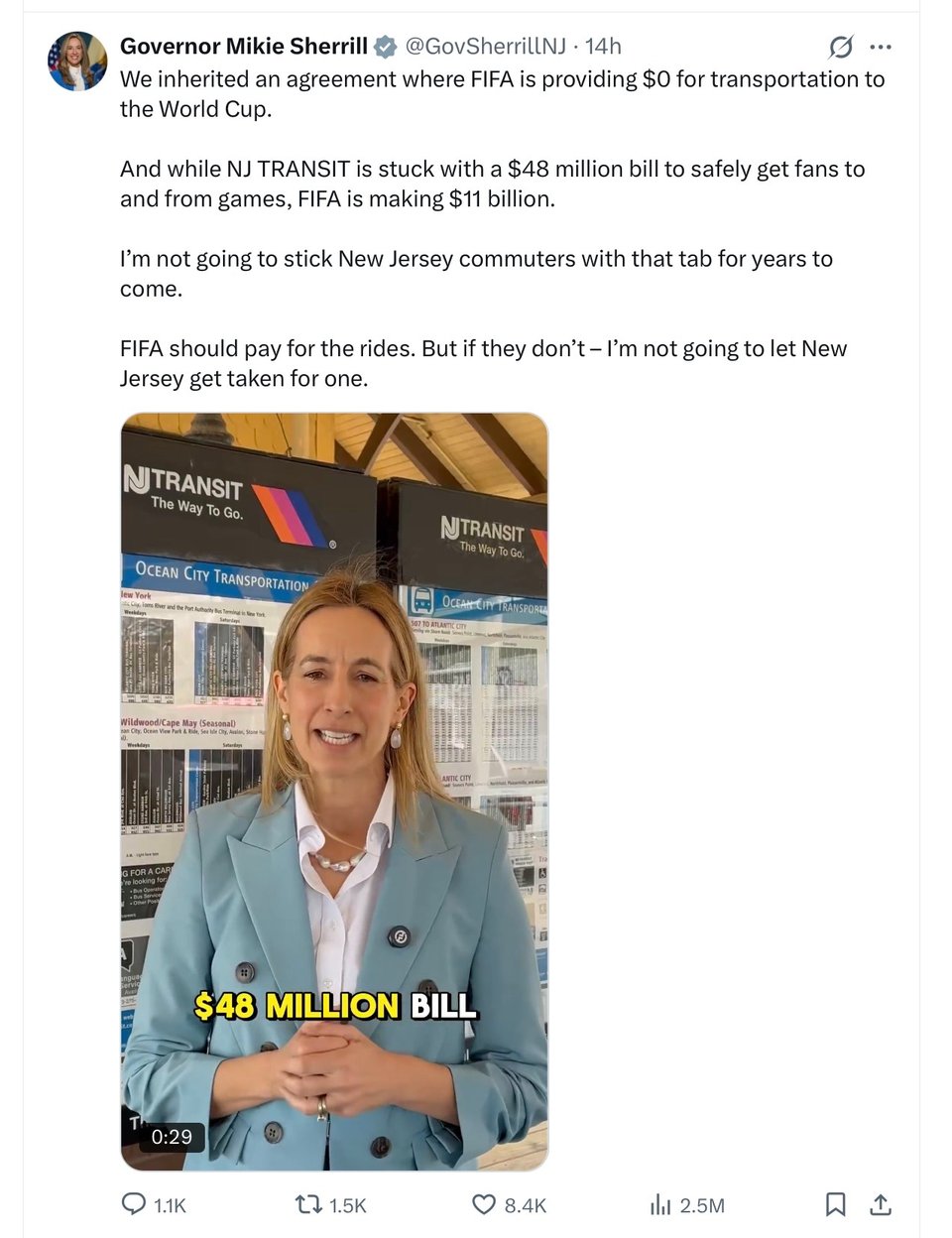
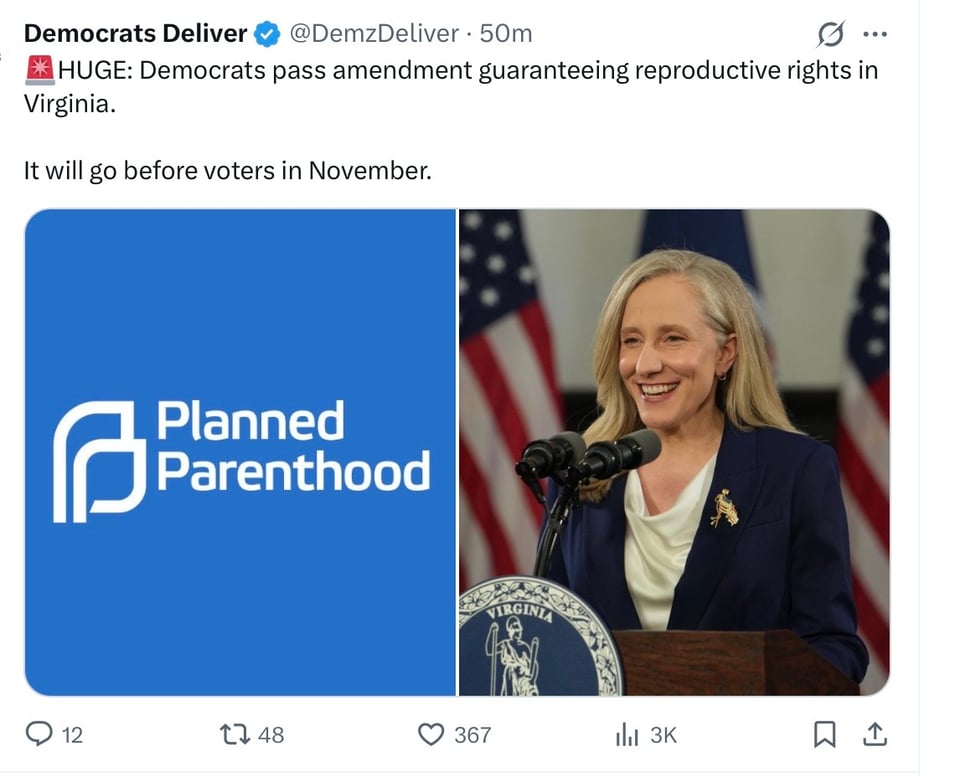
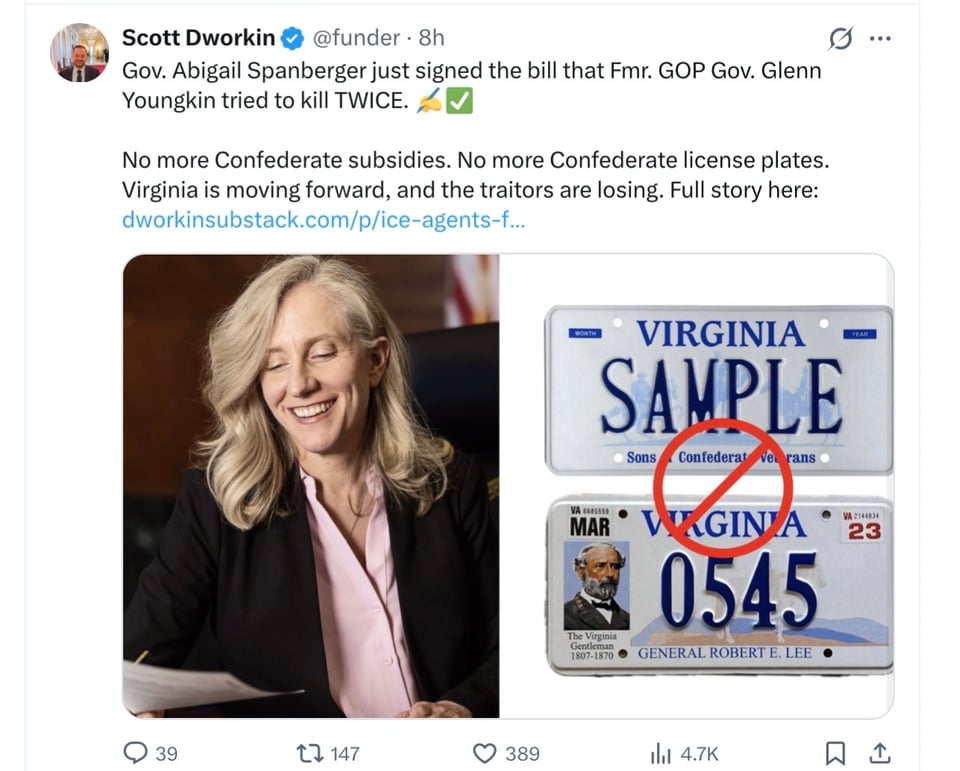
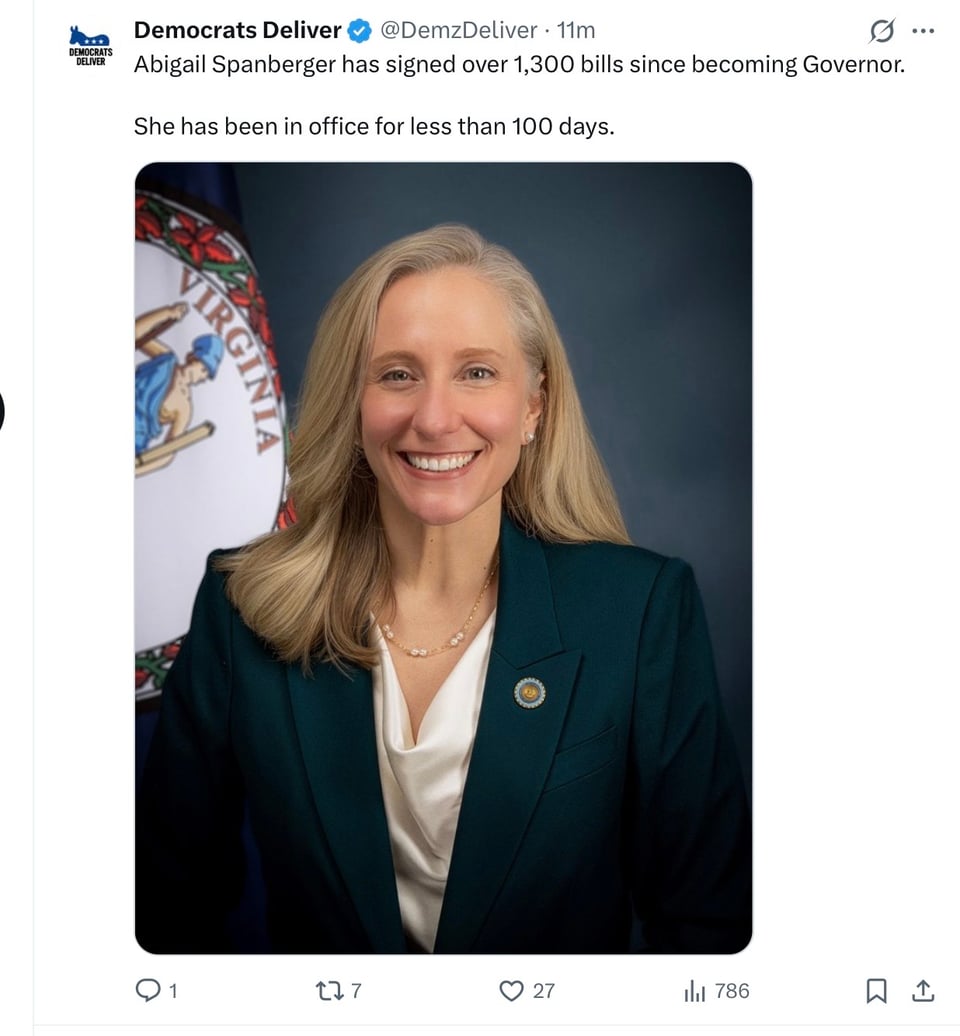
The difference between a serious person and the Trump regime.
Hillary described how a serious administration functions.
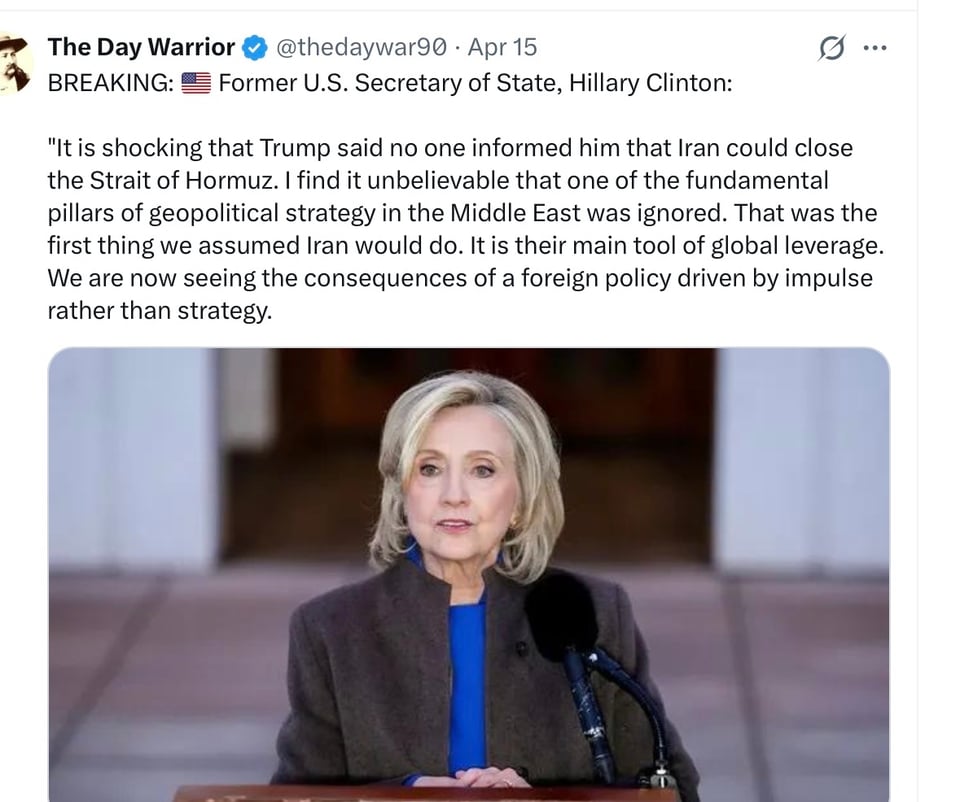
Here are two members of Trump’s cabinet at work.
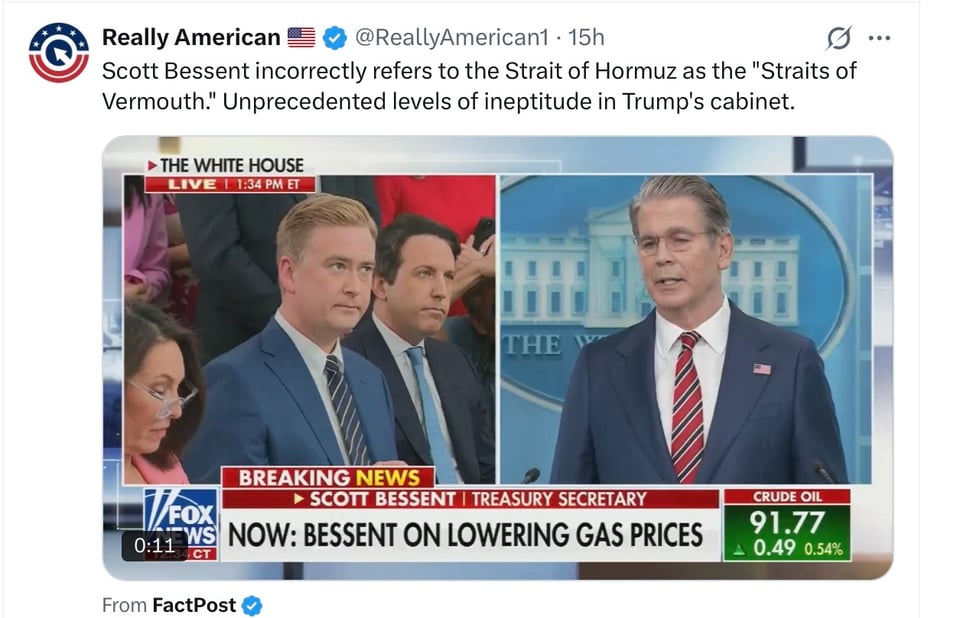
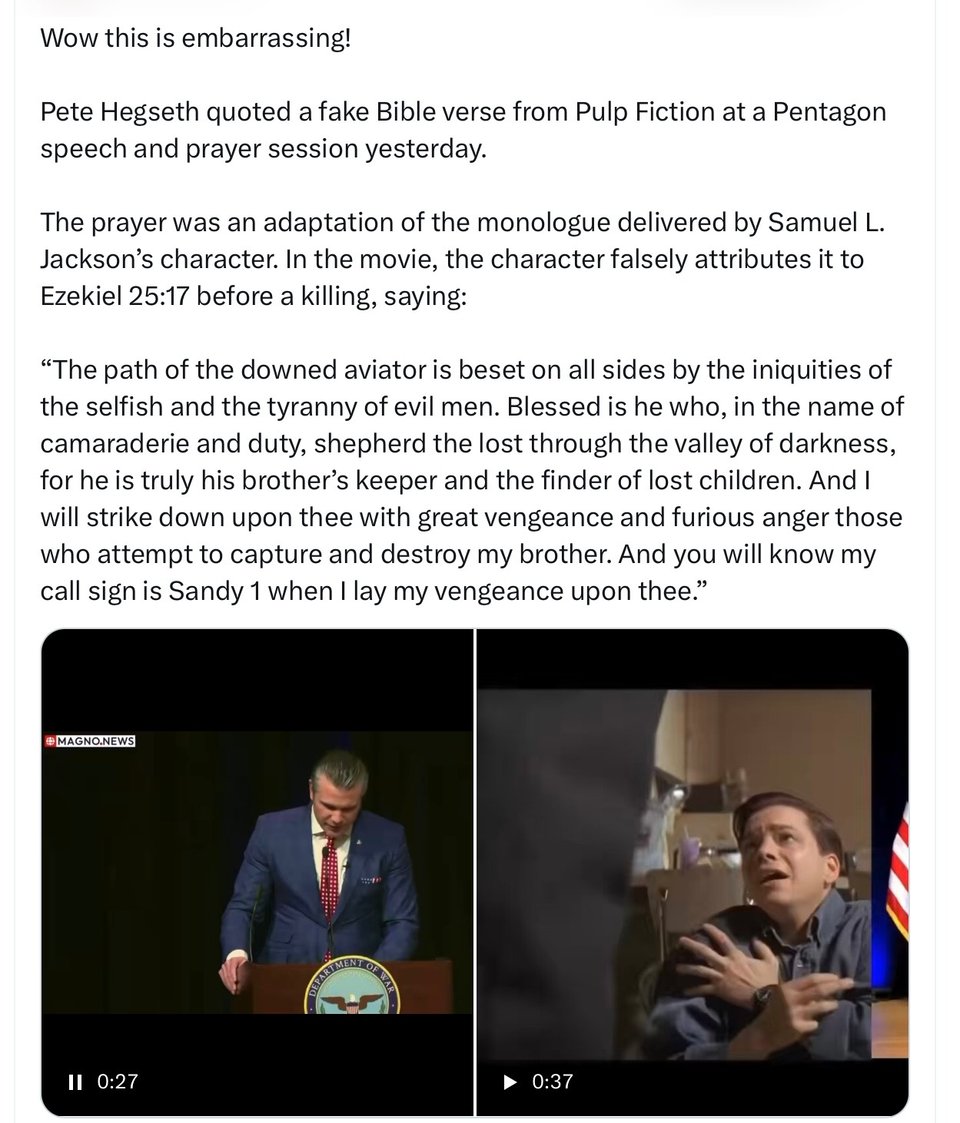
This ‘n That.
Trump lawyer and election denier is debarred.👇
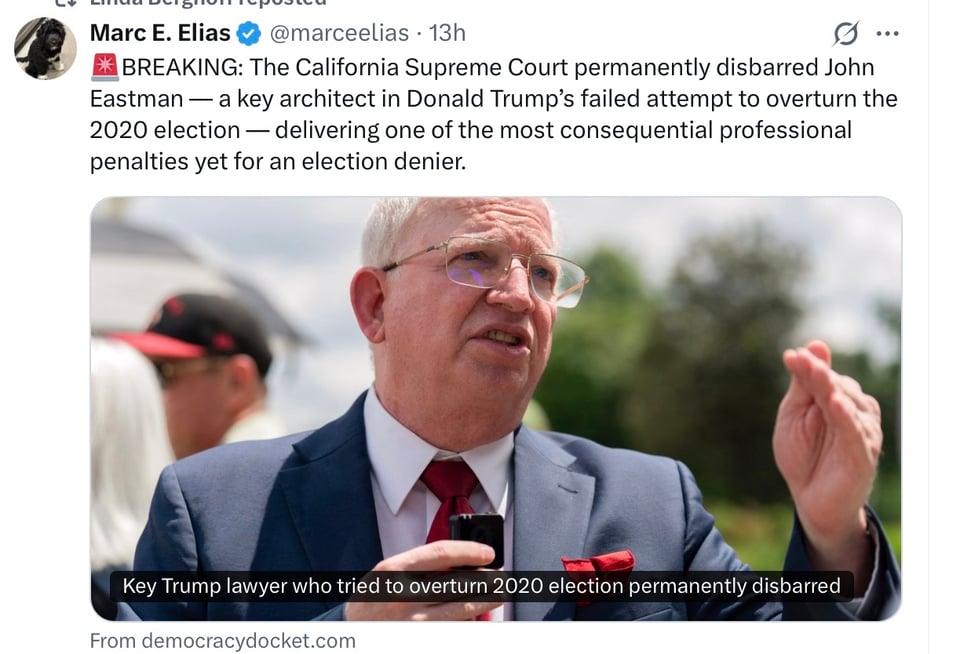
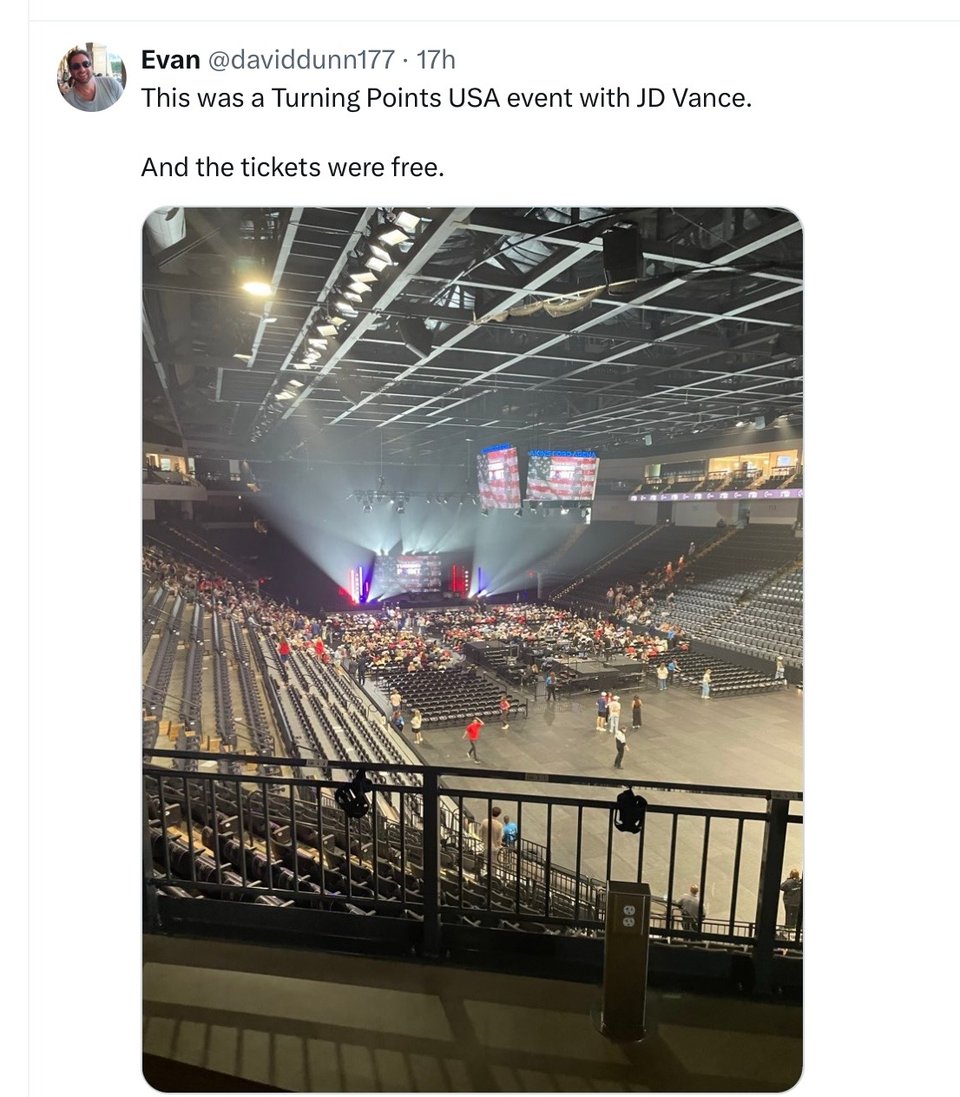
Clear photo making clear how unpopular Trump’s Vice President is.👇
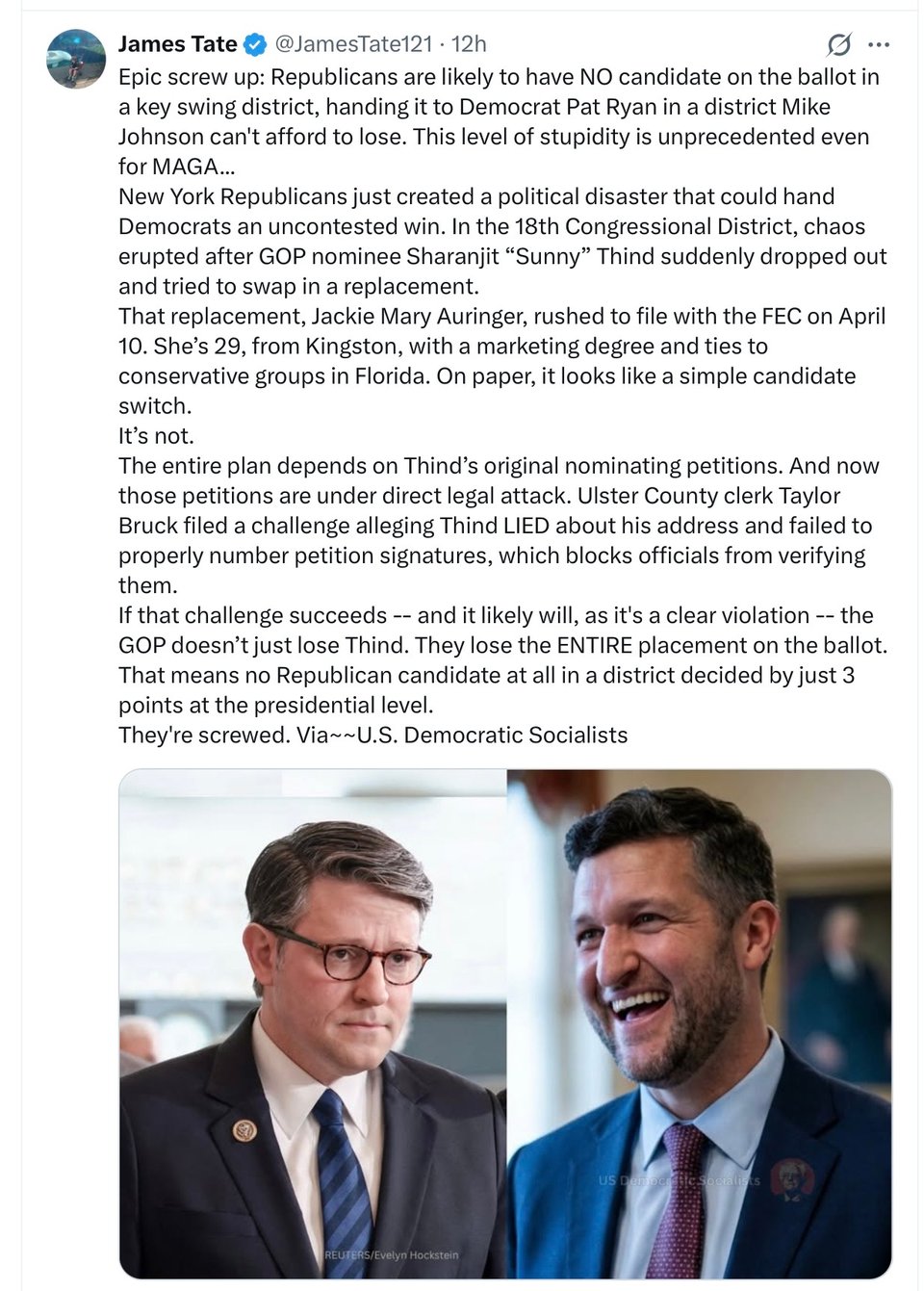
Republican incompetence will lead to the Democratic takeover of the House in November. 👇
We can stop Trump’s ballroom. 👇
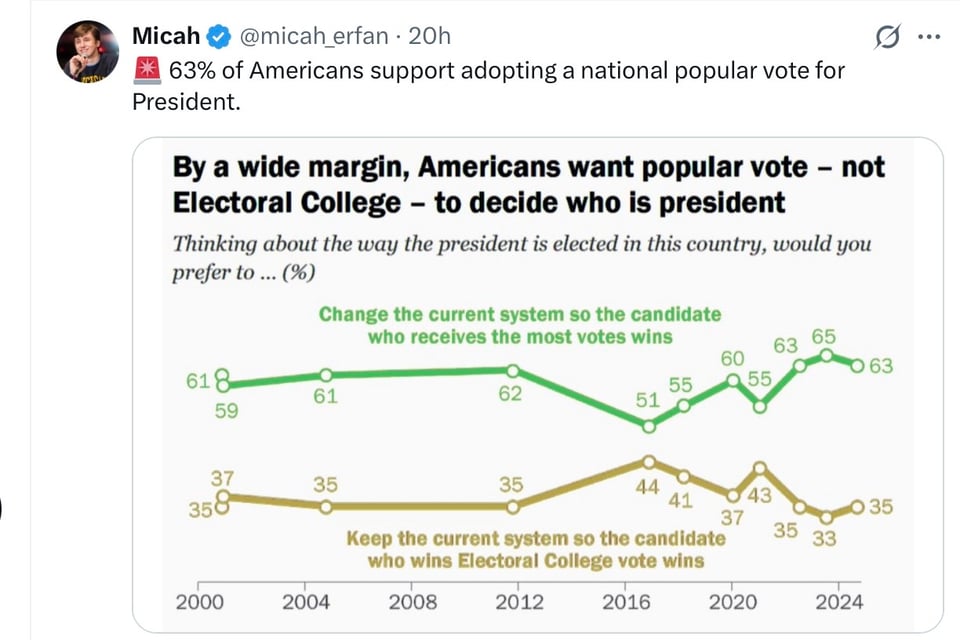
Hey, Americans want the popular vote to pick the President.
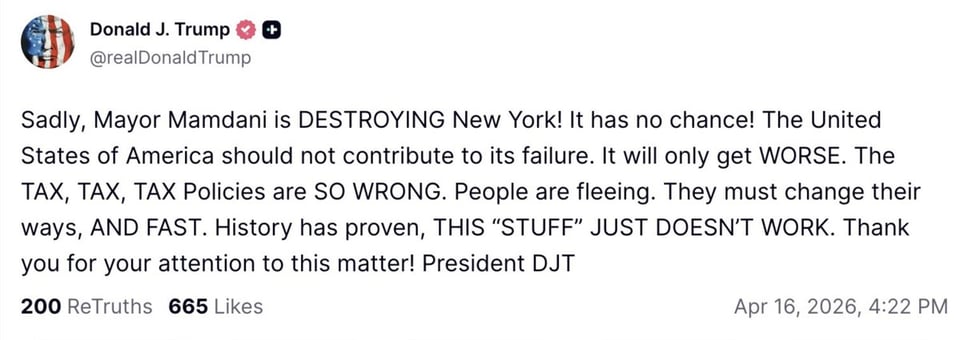
Trump suddenly noticed New York’s Mayor is not his friend.