
|
Sunday, October 25, 2026
|
Full Moon Alert Full moon tonight. Party hats on, and tip the bartender like you mean it. |
Yesterday's puzzle: Rearrange the letters of ELEVEN PLUS TWO into another three-word phrase that means exactly the same thing. Answer: ELEVEN PLUS TWO rearranges into TWELVE PLUS ONE. Both equal 13. |
| Word of the day | | curmudgeon | (ker-MUJ-un)
Means: A grumpy, stubborn person, usually an older guy, who's annoyed by pretty much everything.
Etymology: Nobody knows. It shows up in English in the 1500s with no clear parent. Samuel Johnson's 1755 dictionary passed along a guess from "an unknown correspondent" that it came from the French coeur méchant, "evil heart." Twenty years later John Ash copied that into his own dictionary and garbled it: he said it came from French coeur, meaning "unknown," and méchant, meaning "correspondent."
"He's not a curmudgeon. He just thinks every song after 1979 is noise and every truck after 1985 is a computer." |
| | Design of the day | | Arts and Crafts | Arts and Crafts started in England as a revolt against cheap, over-decorated factory furniture, and in America Gustav Stickley turned it into sturdy oak pieces sold out of his workshops in Eastwood, New York, starting around 1900. The look is honest construction you can see: quarter-sawn oak, straight lines, and joints left showing instead of hidden. Americans nicknamed it Mission furniture, a label Stickley himself disliked. Its most famous piece is the Morris chair, an adjustable-back chair first sold by William Morris's firm in England in the 1860s, which makes it the great-grandfather of your recliner. | 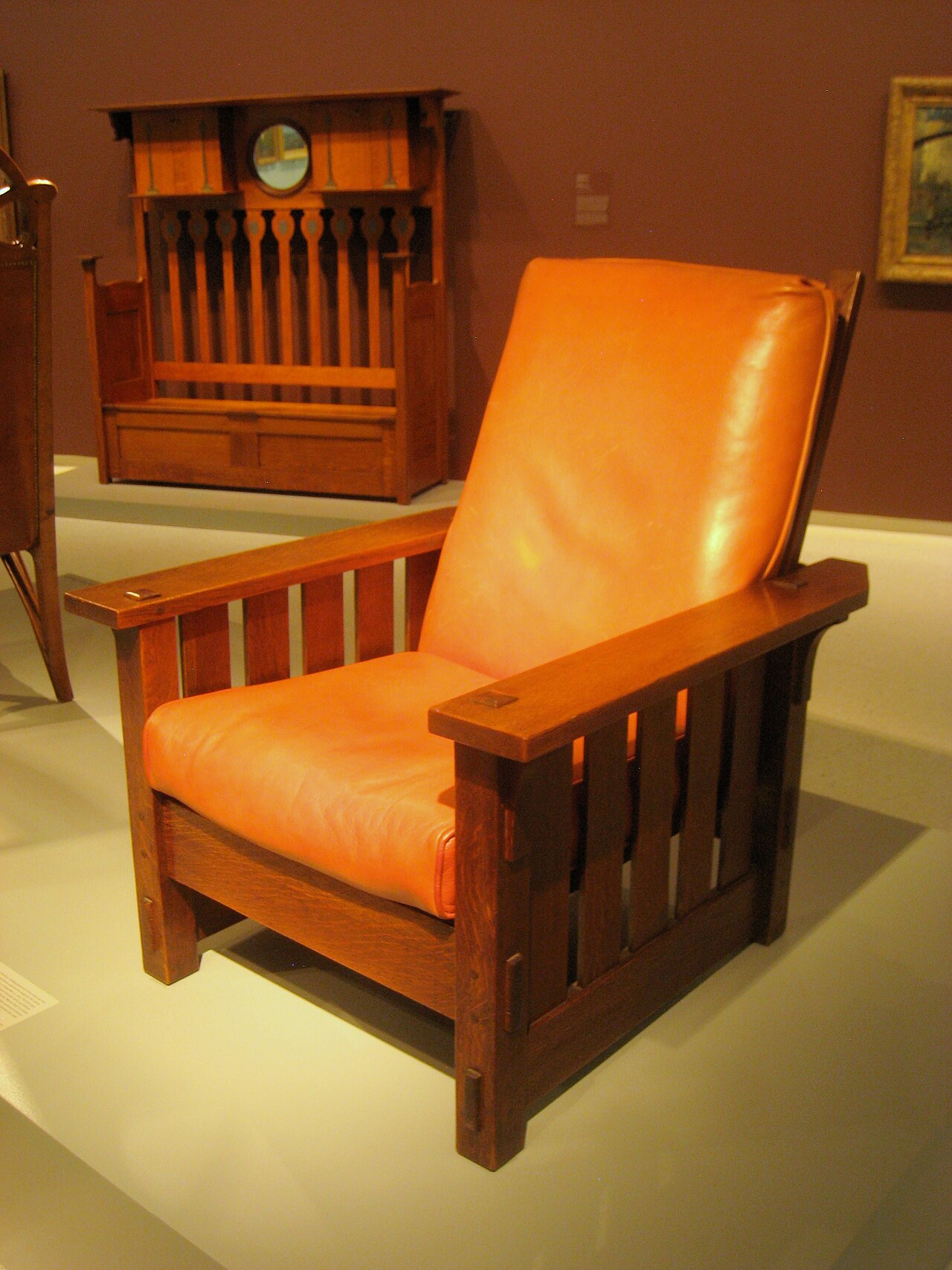 | | Adjustable-Back Chair No. 2342, Gustav Stickley, Carnegie Museum of Art. Photo: Adjustable-Back Chair No. 2342, Gustav Stickley, 1900-1904 - IMG 1632 by Daderot, Public domain, via Wikimedia Commons | 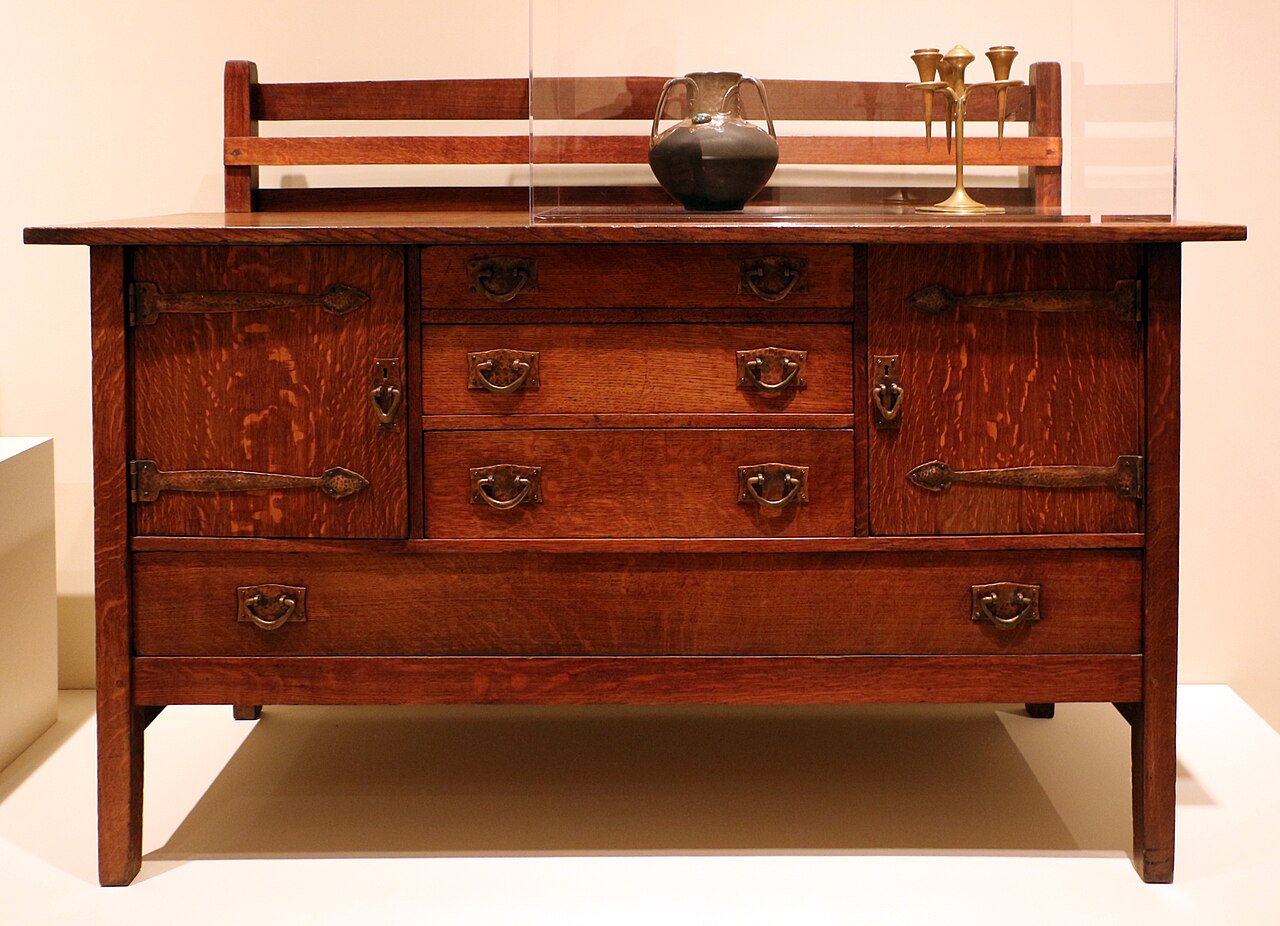 | | Sideboard No. 814, Gustav Stickley, about 1905, Indianapolis Museum of Art. Photo: Gustav stickley, credenza n. 814, usa 1905 ca by Sailko, CC BY 3.0, via Wikimedia Commons |
| | Smart bit | | The thing you never knew the name of | The little plastic or metal tube on the end of a shoelace is an aglet. It comes from the French aiguillette, "little needle," because that's its job: it keeps the lace from fraying and lets you thread it through the eyelets like a needle. Before buttons and zippers took over, laces held a lot of clothes together, and fancy aglets were made of silver or gold. When one breaks off, that's not a frayed shoelace. That's a failed aglet. | 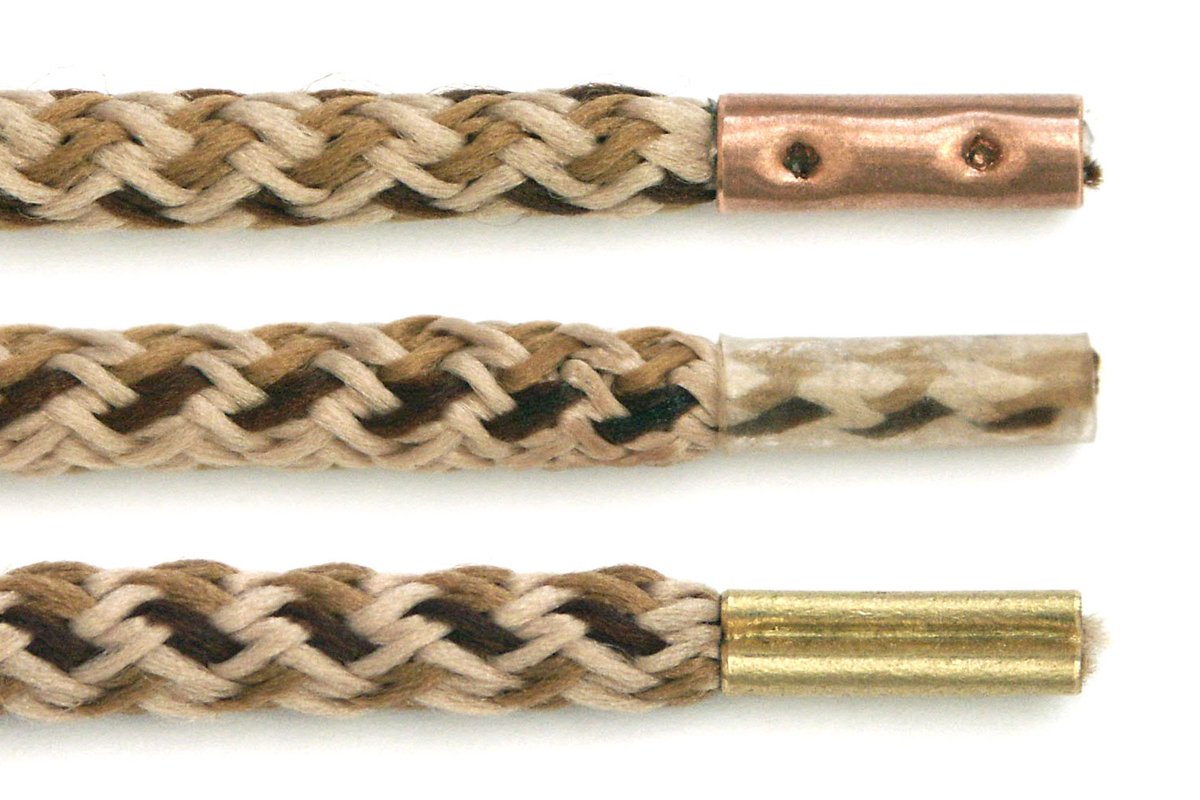 | | Three kinds of aglets. Photo: Three Different Aglets by Ian W. Fieggen, CC BY-SA 3.0, via Wikimedia Commons |
| | Joke | I've been married thirty years, and I'm still in love with the same woman.
If my wife ever finds out, she's going to kill me. |
| | Puzzle | | Mystery word | GROAK is a five-letter verb from old Scots dialect, written down in the early 1800s and dug back up lately by fans of forgotten words. Every dog owner has seen it done. What does it mean?
- A. To brew beer in a hollowed-out log
- B. To stare silently at someone who's eating, hoping they'll share
- C. To snore loudly in a church pew
- D. To cheat at cards by marking the deck
Answer in tomorrow's issue. |
|
Know a guy who'd use one of these at the bar? Forward this to him. |
The smartest guy at the bar wasn't always. He cheats. Two minutes a day.
Read on the web · Past issues
|
|