
|
Sunday, November 1, 2026
|
Yesterday's puzzle: Each sentence hides a Halloween word, running across the spaces between words. Find all five. 1. The big host poured everyone a second round. 2. Tell Emma skip the speeches tonight. 3. I saw it chew through the whole sandwich. 4. Doug raved about the brisket all week. 5. The cab at the curb sat there with its lights off. Answer: 1. GHOST (big host). 2. MASK (Emma skip). 3. WITCH (saw it chew). 4. GRAVE (Doug raved). 5. BAT (cab at). |
| Word of the day | | sabotage | (SAB-uh-tahzh)
Means: Deliberately wrecking something, like a machine, a plan, or a project, so it fails.
Etymology: French, from saboter, which comes from sabot, a wooden clog. Saboter first meant to clomp around noisily in clogs, then to do a job badly. The famous story that striking workers threw their clogs into the machinery makes a great bar story, but there's no solid evidence for it. The word really came from botching work on purpose.
"Somebody sabotaged the office thermostat. It was me, and I'd do it again." |
| | Design of the day | | Bentwood | Michael Thonet figured out how to steam solid beech until it went soft enough to bend into curves, then clamp it in iron molds while it dried. His No. 14 chair, introduced in 1859, became the world's first mass-produced piece of furniture. The original was just six pieces of steam-bent wood, ten screws, and two nuts. Gebrüder Thonet sold 50 million of them by 1930. If you've ever sat in a café chair with a round seat and a looped back, you've sat in Thonet's idea. | 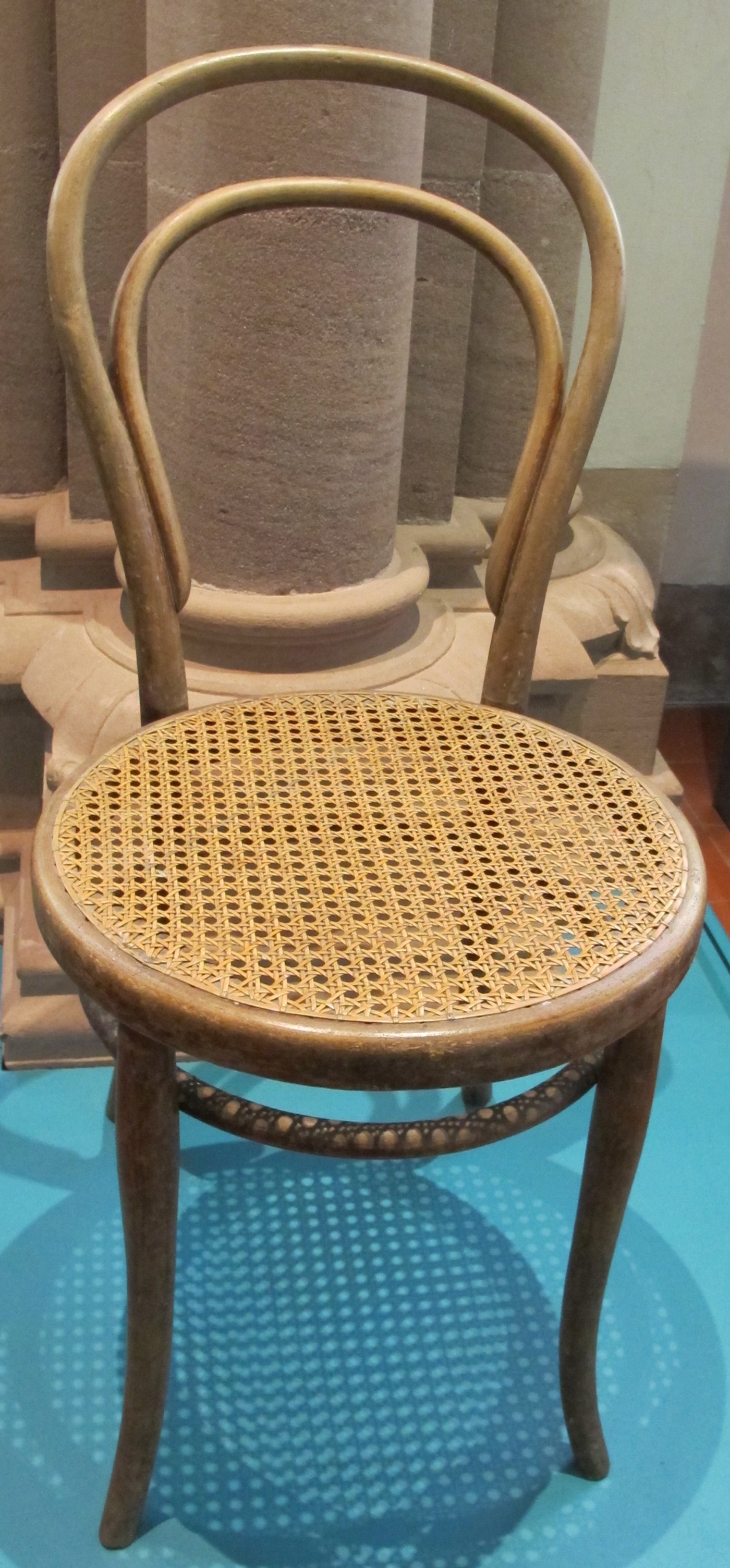 | | Thonet No. 14 chair, designed 1859, this one made around 1920. Photo: Sedia thonet n.14, design 1859, realizzata 1920 by sailko, CC BY-SA 3.0, via Wikimedia Commons |
| | Smart bit | | Who actually invented that | Clocks fell back at 2 a.m. today, so here's who to blame. Not Ben Franklin: his 1784 letter to a Paris newspaper was satire, joking that the city should tax window shutters and fire cannons at sunrise to get people out of bed. The real proposal came from George Vernon Hudson, a New Zealand insect collector whose shift job left his afternoons free. In 1895 he proposed moving the clocks two hours so he'd have more daylight to hunt bugs after work. Germany was the first country to actually do it, in 1916, to save coal during World War I. The U.S. followed in 1918. | 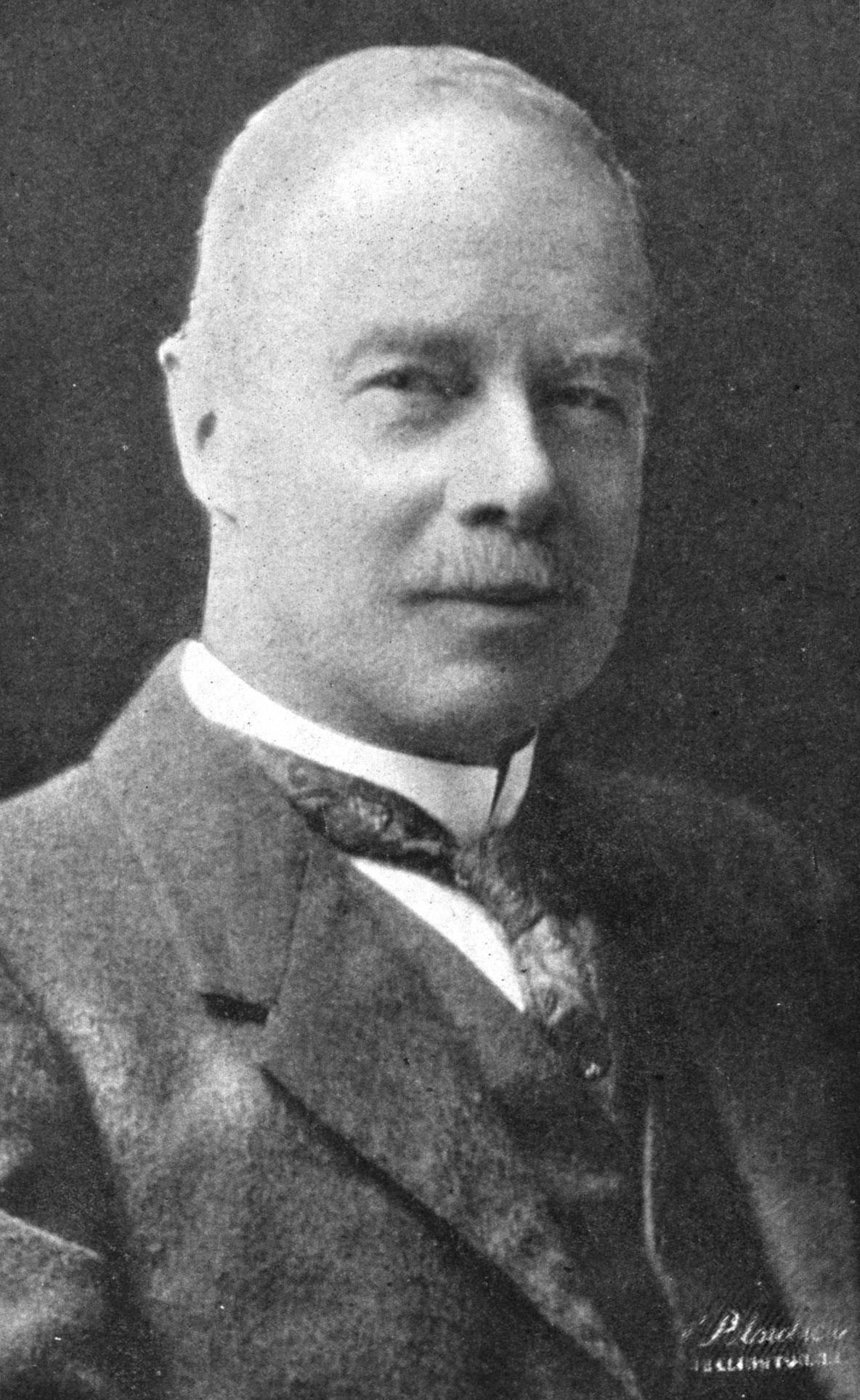 | | George Vernon Hudson, the New Zealand insect collector who proposed daylight saving in 1895. Photo: George-Vernon-Hudson-RSNZ by Unknown photographer, Public domain, via Wikimedia Commons | 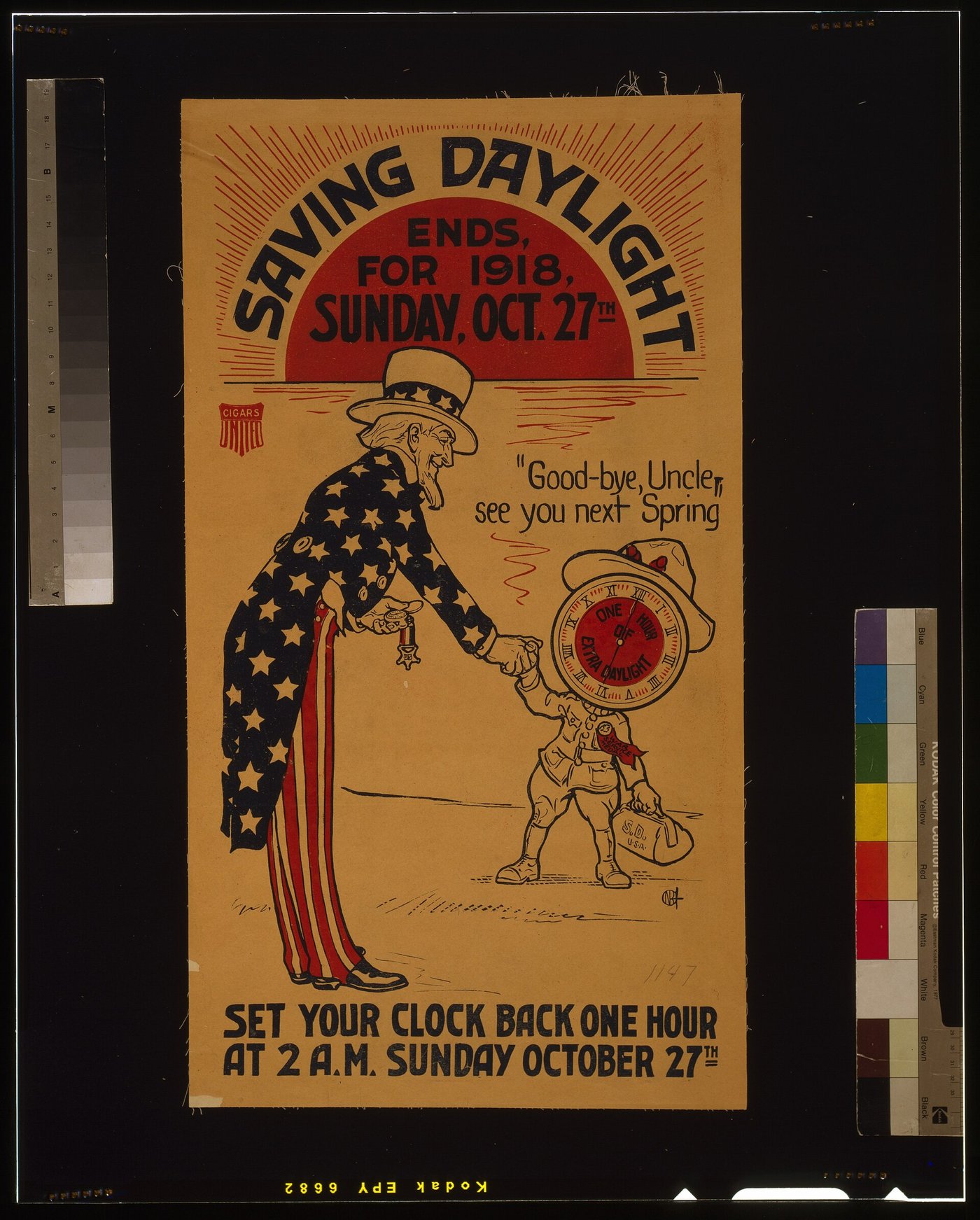 | | A 1918 poster marking the end of America's first daylight saving season, Library of Congress. Photo: Saving daylight ends, for 1918, Sunday, Oct. 27th LCCN2002722583 by United Cigar Stores Company, Public domain, via Wikimedia Commons |
| | Joke | A Texan walks into a pub in Dublin and slaps a hundred-dollar bill on the bar. "I hear you Irish can drink. This hundred says nobody in here can put down ten pints of Guinness in ten minutes."
The place goes quiet. One old guy gets up and walks out.
Fifteen minutes later he's back. He taps the Texan on the shoulder. "That bet still on?"
"Sure is." The bartender lines up ten pints, and the old guy drains all ten with time to spare.
The Texan hands over the hundred. "Hell of a thing. Where'd you go?"
"Down the street to the other pub," he says. "Had to make sure I could do it first." |
| | Puzzle | | Mystery word | CRAPULENCE is a real English noun, from the Latin crapula. Despite how it sounds, it has nothing to do with the bathroom, and plenty of guys have felt it on a Sunday morning. What does it mean?
- A. A sick, run-down feeling from eating or drinking too much
- B. The urge to reorganize a buddy's garage
- C. A fear of public restrooms
- D. Bragging about a fish you didn't catch
Answer in tomorrow's issue. |
|
Know a guy who'd use one of these at the bar? Forward this to him. |
The smartest guy at the bar wasn't always. He cheats. Two minutes a day.
Read on the web · Past issues
|
|